Rent vs Buy: Which Makes More Financial Sense in 2026?
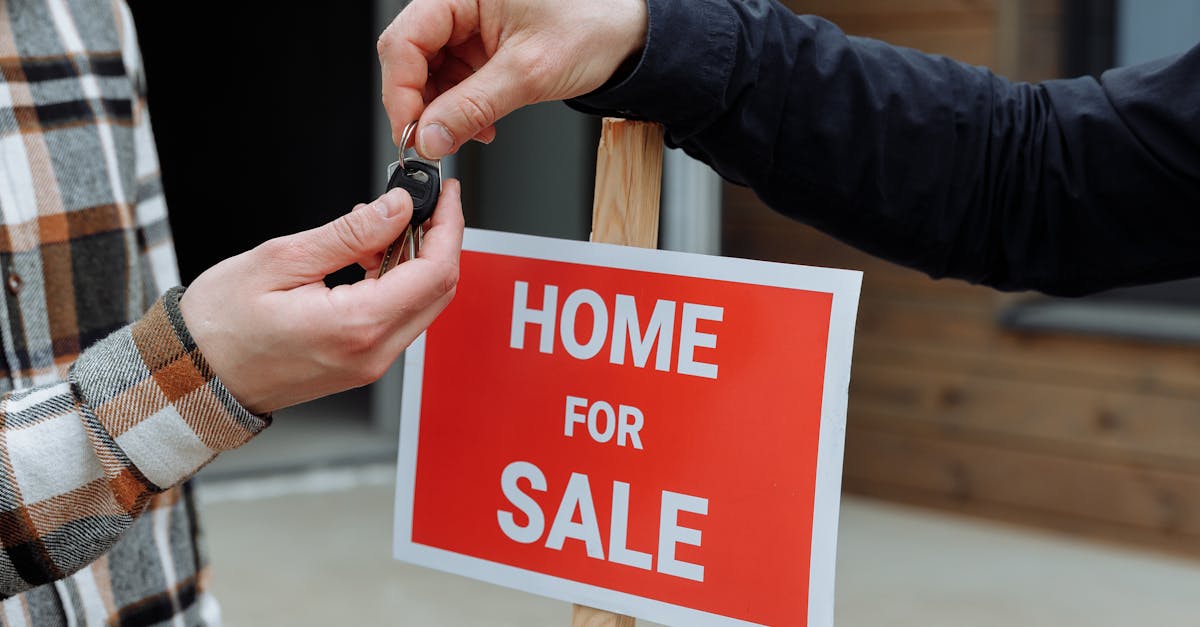
Whether you should rent or buy a home depends on one thing: the numbers. The answer isn't universal—it's specific to your deposit size, job stability, local house prices, and how long you'll stay. This guide breaks down the real costs of both sides so you can decide based on maths, not emotion.
The True Cost of Buying: More Than Just Your Mortgage Payment
When you buy, your monthly cost isn't just the mortgage. It's the mortgage plus everything else.
Your mortgage payment. On a £200,000 loan at 5.4% fixed over 30 years, you'll pay approximately £1,138/month. Use our mortgage calculator to see your exact numbers.
Stamp Duty. In England, you pay Stamp Duty Land Tax on purchase price above £125,000—nothing if you're a first-time buyer below £425,000. If you're a subsequent buyer on a £300,000 property, you'll pay 5% on the portion above £250,000: that's £2,500. On a £500,000 property, it climbs to £53,750. Stamp Duty is a one-off cost, but it's real money that comes out of your deposit.
Arrangement fees and valuations. Mortgage arrangement fees run £500–£2,000 depending on rate and lender. Surveys (homebuyer report or full structural survey) cost £250–£800. Solicitor/conveyancer fees for the legal work: £800–£1,500 plus search fees. For a £250,000 purchase, you're looking at £3,000–£5,000 upfront before you move in.
Buildings insurance. Your lender requires it. A typical policy costs £400–£800/year for a standard home.
Repairs and maintenance. This is the big one most first-time buyers underestimate. You own the boiler, the roof, the plumbing, the electrics. Budget 1% of property value per year as a rough floor—on a £250,000 home, that's £2,500/year, or £210/month on average. Some years you'll spend nothing; the year your boiler dies, you'll spend £3,000.
Add it up: mortgage (£1,138) + estimated maintenance (£210) + buildings insurance (£40) + council tax (£130) + utilities (£120). You're looking at £1,640/month just to own that property, not counting the year your boiler fails or your roof needs work.
The True Cost of Renting: What Actually Comes Out of Your Pocket
Renting looks simpler because you write one cheque. But it's not simpler—it's just different.
Rent itself. [STAT NEEDED: average UK rental by region, 2026]. Outside London and the South East, similar homes rent for £800–£1,200/month; in major cities, you might pay £1,500–£2,500.
Rent increases. Landlords can raise rent once per year by any amount (unless you're in Scotland or a controlled area). If rent rises 5% per year—the long-term average—rent doubles every 14 years. Over 30 years, a £1,200/month rental becomes roughly £5,200/month.
No equity build. After 30 years of renting, you own nothing. If you buy that same property, you own it. That's the hardest number to quantify, but it's real.
Tenant fees and moving costs. Deposits are usually 5 weeks' rent and returnable. Tenant fees—application, referencing, check-in—can add £200–£500 per move. If you move every 3 years, that's £67–£167/year in moving costs.
Landlord risk. Your landlord can sell, force you out (with proper notice), or fail to maintain the property. Renting gives flexibility, but not control.
Breaking It Down: A Worked Example
Take this scenario: 28-year-old, £35,000 salary, £15,000 saved, buying a £200,000 flat in Manchester.
Buying: With a £15,000 deposit (7.5%), she takes a 92.5% LTV mortgage. At 5.4% fixed for 5 years over 30 years, the mortgage is £1,038/month. Add stamp duty (£0 as a first-time buyer under £425k), survey (£500), conveyancer (£1,000), arrangement fee (£1,000). Upfront cost: £3,500. Monthly ongoing: £1,038 (mortgage) + £180 (maintenance) + £35 (buildings insurance) + £140 (council tax) + £120 (utilities) = roughly £1,513/month. Over 30 years, she pays approximately £544,680 in total (mortgage + costs). Assuming 2% annual house price appreciation, she owns a property worth around £360,000 by year 30.
Renting: A similar flat in the same area rents for roughly £850/month. Deposit: £4,000 (returnable). Tenant fees: £300. Monthly: £850 + £20 (renters' insurance) + £80 (council tax as renter) + £120 (utilities) = £1,070/month. Over 30 years, she pays approximately £386,400 in total and owns nothing.
The gap: Over 30 years, buying costs roughly £158,000 more than renting. But she owns a property worth ~£360,000 (net equity), whereas the renter has £0. The buyer is ahead by approximately £202,000 in net wealth. But—if she moves after 5 years, selling costs (estate agent, conveyancing, stamp duty) are roughly £10,000. She needs 5 years of that "owner advantage" just to break even.
When Buying Makes Sense (and When It Doesn't)
Buy if:
- You're staying for at least 5–7 years. Transaction costs are high; you need time to build equity.
- You can afford a 10%+ deposit. The difference between 90% and 75% LTV is a full percentage point in interest rate.
- You want control. You can renovate, extend, personalise without permission.
- You're worried about rent inflation outpacing your income.
- Interest rates feel stable (though they change monthly).
Rent if:
- Your job or situation is unstable. You might relocate in 2–3 years.
- House prices in your area are historically high relative to rent. Rough test: if house price ÷ annual rent > 20, renting is likely cheaper.
- You have a lump sum to invest elsewhere—equities, ISAs, pensions—that might earn more than house price appreciation.
- You want flexibility. Renting is easier to exit than selling.
- You don't have 10%+ saved. A 95% LTV mortgage costs significantly more, and you'll pay mortgage insurance on top.
The Hidden Variables That Change Everything
Interest rate risk. If you fix your rate, your payment is locked for 2, 3, or 5 years. When it ends, you remortgage. Current base rate and fixed-rate mortgages track together, but the future is unknowable. Rent has inflation risk, but it's a slow climb, not a step change.
House price direction. In some regions, house prices rose 3–4% annually for decades. In others, they've been flat for 10 years. You can't predict this, but ONS house price data shows 10–20 year trends in your area. High growth = buying wins; flat growth = renting might win.
Tax relief. If you have a mortgage, you can't offset interest against income tax. But if you're considering buy-to-let, the maths are completely different—you're funding the mortgage from tenant rent, not salary.
Shared ownership or Help to Buy. If you can't afford a full deposit, Help to Buy or Shared Ownership might bridge the gap. You buy a share of the property now and buy more later—more complex, but worth exploring if you're short on deposit.
Frequently Asked Questions
Q: Is it cheaper to rent or buy? A: Over 10+ years in a stable area, buying usually wins—you build equity and avoid rent inflation. Over 3–5 years, it depends on deposit size, interest rates, and local house prices. Run your actual numbers through a calculator with your own figures to see.
Q: What deposit do I need? A: You can buy with as little as 5%, but you'll pay mortgage insurance and higher rates. A 10% deposit is a threshold; 15%+ is much more comfortable. For a £250,000 property, that's £25,000–£37,500 saved.
Q: Should I buy now or wait for rates to drop? A: No one can predict rates. If you need housing now and you can afford it at current rates, buying makes sense. If you're timing the market—waiting for rates to fall—you're gambling. Rent while you save, or lock in a fixed rate if you can afford it.
Q: How much house can I actually afford? A: Most lenders will offer 4.5× your annual salary. If you earn £40,000, that's a £180,000 mortgage. But "can afford" (the lender's view) and "should borrow" (your view) are different. Stress test: can you cover the mortgage if rates rise 2% or your income drops? If the answer is no, borrow less.
Q: What if I can't save a 10% deposit? A: You have options: Help to Buy, Shared Ownership, or a mortgage with a smaller deposit (5–7%) and mortgage insurance. The insurance cost (typically 0.5–1.5% of the loan) gets added to your mortgage, making your monthly payment higher—but it lets you get on the property ladder sooner.
Q: What's the real cost of buying if I sell in 5 years? A: Buying upfront costs (£3,500–£5,000) + monthly costs over 5 years (£1,500–£2,000/month = £90,000–£120,000) + selling costs (£15,000–£25,000) = roughly £108,500–£150,000 total. Renting same period: £1,000–£1,200/month = £60,000–£72,000 total. If house prices appreciate 2–3% per year, your equity after 5 years offsets the higher buying cost. If prices fall or stagnate, renting wins.
Q: Does buy-to-let make financial sense? A: Only if rental income covers the mortgage (plus maintenance, void periods, and tax). Most buy-to-let investors rely on capital appreciation, not cash flow. That changes the risk profile—you're betting on house prices, not rental income.
Q: Should I overpay my mortgage? A: If interest rates are low (2–3%), investing extra money might earn more. If rates are high (5%+), paying off the mortgage is a guaranteed return equal to the interest rate. Check your mortgage terms for early repayment charges; some penalize overpayment.
Next Steps
Work through the numbers for your actual situation. Plug your postcode, deposit size, salary, and local rent into a calculator and see the long-term cost. If buying looks right, explore first-time buyer mortgage options, understand fixed vs variable rates, and figure out what deposit you'll need.
If the maths favour buying but you're short on deposit, look at Help to Buy or Shared Ownership schemes. And if you're buying soon, understand the conveyancing process so there are no surprises.
Rent vs buy isn't about emotion—it's about time horizon, location, and numbers. Once you run them, the decision usually becomes clear.