The True Cost of Moving House: A Full Breakdown
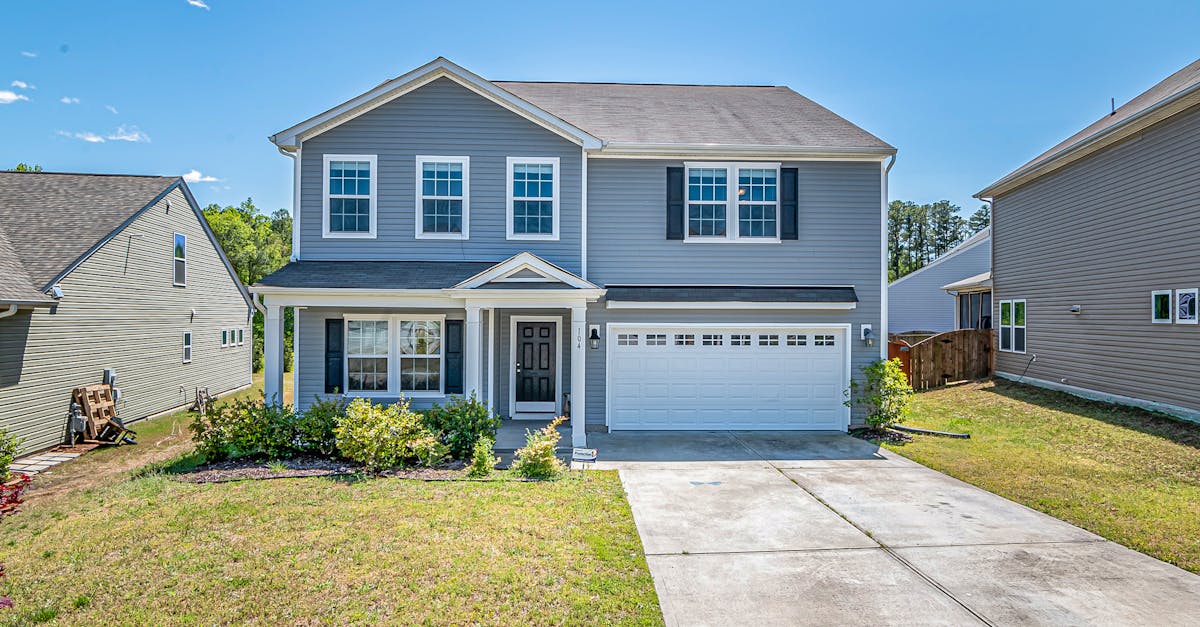
Moving house costs far more than most people expect. Beyond the purchase price and mortgage, you're looking at removals, solicitors, surveys, stamp duty, and a dozen hidden expenses that can easily total £10,000–£15,000+ on a typical UK move. Here's a full breakdown of the true cost of moving house, with real numbers and ways to save.
The Headline Numbers: What You'll Actually Pay
Let's start with a realistic scenario. You're buying a £300,000 property as a first-time buyer with a 10% deposit (£30,000). Your mortgage is £270,000. Here's what moving will cost you above the property price itself:
- Estate agent fees (if selling): 1–3% of sale price = £3,000–£9,000
- Solicitor/conveyancer (buying and selling): £1,500–£3,000
- Stamp duty (first-time buyer exemption): £0
- Surveys and valuations: £300–£1,000
- Removal and logistics: £1,500–£5,000
- Utilities, searches, Land Registry fees: £500–£1,000
- Insurance, council tax, miscellaneous: £500–£1,500
Total moving costs: roughly £7,800–£20,500 on a £300,000 purchase. That's before you've paid a single pound of mortgage interest. Most people underestimate this number by 30–50%, then panic when bills arrive after completion.
Estate Agent Fees and Marketing Costs
If you're selling a property, estate agent fees are usually your biggest moving expense. Most agencies charge 1–3% of the sale price. On that £300,000 property, you're looking at £3,000–£9,000 in agent fees alone.
What you're paying for:
- Marketing — property listings, photography, floorplans, portal listings
- Viewings and negotiations — coordinating buyer visits, handling offers, managing chains
- Completion coordination — liaising with your solicitor, the buyer's solicitor, and the mortgage lender
Some agents offer fixed fees (£500–£1,500 flat) if you want to cut costs. Others work on no-sale, no-fee basis, but charge more when they do sell. Always get quotes from 3 agents minimum. The fee difference alone can save £2,000–£4,000.
If you're buying only (not selling), you won't pay an agent fee on the purchase side — your seller's agent is already paid by the vendor.
Legal Costs: Solicitors, Searches, and Registration
Buying a property requires a solicitor or licensed conveyancer to:
- Check legal title and ownership
- Run searches on the property (local authority, water, environmental)
- Handle the contract and completion
- Register your ownership at HM Land Registry
Solicitor/conveyancer fees: typically £800–£1,500 for a straightforward purchase. Conveyancers are usually £200–£400 cheaper than solicitors but do the same job.
Disbursements (costs passed through):
- Local authority searches: £150–£300 (checks planning issues, building control, highways)
- Water and environmental searches: £50–£150
- Land Registry fee: varies by property value (£40–£1,100 depending on price band)
- Total searches and registration: roughly £300–£600
Total legal costs: £1,100–£2,100 for buying only. If you're selling as well, double these fees (both sides of the transaction). Always request an itemised quote upfront — if a firm won't break down disbursements, shop elsewhere.
Stamp Duty and Taxes
Stamp duty is a UK tax on property purchases. The headline: first-time buyers pay nothing on the first £425,000. Everyone else pays from £125,000 up.
First-time buyer bands (as of 2026):
- £0–£425,000: 0%
- £425,001–£625,000: 5%
- £625,001+: 10%
Non-first-time buyer bands:
- £0–£125,000: 0%
- £125,001–£250,000: 2%
- £250,001–£925,000: 5%
- £925,001–£1.5m: 10%
- £1.5m+: 12%
On a £300,000 first-time buyer purchase, you pay £0. On a £500,000 non-first-time buyer purchase, you'd pay roughly £18,750 (5% of £375,000 above the £125,000 threshold). Stamp duty can dwarf all other moving costs combined on higher-value properties. Always calculate it early — it affects how much house you can afford on your budget.
Surveys and Valuations
Your mortgage lender will require a valuation (£250–£400) to confirm the property is worth what you're borrowing against. You pay for this. But the lender's valuation is basic — it's for their protection, not yours.
Three survey types:
- Basic valuation (£250–£400) — what the lender provides. Checks the roof and structure exist; nothing more.
- Homebuyers report (£400–£800) — checks main structure, electrics, plumbing, identifies major issues. Most first-time buyers choose this.
- Full structural survey (£600–£1,500) — building surveyor spends a day examining everything. Recommended for older properties or if the homebuyers report flags concerns.
On a £300,000 property, a homebuyers report costs roughly £500–£700. It's not required, but skipping it is risky. That survey can save you from buying a property with £10,000 of hidden damp, roof problems, or electrical issues.
Removal Costs and Other Logistics
If you're moving more than 50 miles or have substantial possessions, you'll hire a removal company. This is where costs get highly variable.
Removal company quotes:
- Local move (within 50 miles, 2–3 bed): £1,500–£3,000
- National move (100+ miles): £2,500–£5,000
- Long-distance move (Scotland, Wales): £3,500–£7,000
Removal companies quote based on volume (cubic metres of possessions), distance, whether you pack yourself or they do, and the date (peak season = school holidays, end of month = 10–20% premium).
Ways to save on removals:
- Get 3 quotes minimum (most offer online quotes with photos)
- Pack yourself instead of paying for professional packing (saves 50%)
- Move midweek or midmonth if you can
- Declutter aggressively — sell or donate items you don't need (reduces volume, lowers quote)
- Use a man-with-a-van for smaller moves (£400–£800 vs. £1,500+)
Other logistics costs:
- Waste removal (old furniture, garden waste): £200–£500
- Disconnection fees: usually free (check with suppliers)
- Mail redirection (Royal Mail, 12 months): £37.49
- New utility deposits: varies, usually rolled into first bill
Insurance, Council Tax, and Settling In
Once completion is done, a few more costs emerge.
Buildings insurance: Compulsory if you have a mortgage. Lenders require it in place before completion. Costs vary by property value and location — expect £300–£800/year. This covers structural damage, theft, vandalism. It does NOT cover contents (your furniture, belongings).
Contents insurance (optional but wise): Covers your belongings. Costs £200–£500/year depending on the value of your items. Many people skip it, then lose £10,000 to a fire or burglary (spoiler: they regret it).
Council tax and utilities:
- Council tax search and registration: Usually handled by your solicitor via disbursements. New council registers you as liable person; first bill arrives after completion.
- Gas and electricity: Set up before moving in to avoid the expensive default rate. Many suppliers offer 8 weeks free or discounts on first switches. Budget £800–£1,500/year.
- Water: Non-negotiable (one supplier per region). Register the change. Budget £400–£600/year.
- Internet/broadband: Setup £50–£100, then £25–£50/month. Check availability before you commit to buy.
Moving-in and immediate repairs: Budget £1,000–£5,000 for things you'll want to fix or replace immediately (flooring, painting, broken appliances, garden work).
Total for insurance, utilities, and settling in: roughly £2,500–£4,500 in year one.
Budgeting and Stress-Testing Your Move
To calculate your actual moving costs:
- Estimate your property value — use it to calculate estate agent fees (1–3%) and stamp duty.
- Add fixed costs — solicitor (£1,000), survey (£500), removals (£2,500).
- Add variable costs — searches, Land Registry fees, utilities deposits, insurance.
- Add contingency — 10–15% buffer for unexpected costs (always happens).
Use our mortgage calculator to model your monthly payment, then add these moving costs to see the true financial picture of buying. If you're calculating how much house you can afford on your salary, factor moving costs into your total savings needed.
First-time buyers should read our guide on how much deposit you'll need — moving costs reduce how much you can save for a down payment, so plan ahead. If you're building a budget to get mortgage-ready, moving costs should be part of that calculation. And for realistic timelines, see our guide on how to save for a house deposit, which includes moving costs in the total savings target.
Frequently Asked Questions
Q: Can I negotiate estate agent fees? A: Yes. Most agents quote 1–3%, but many will negotiate, especially on higher-value properties or multi-property sales. Get 3 quotes and use the lowest as leverage. Negotiating down even 0.5% saves £1,000+ on a £250,000 sale.
Q: Can I use the same solicitor for buying and selling? A: Yes. Handling both sides can simplify things, but check whether they offer a combined fee (often 10–15% discount) or charge full fees for each side. Get quotes from multiple firms — the difference can be £200–£400.
Q: Do I really need a survey if the lender requires a valuation? A: The lender's valuation is not a survey. It checks the roof and structure exist — that's it. A homebuyers report (£400–£700) is strongly recommended for first-time buyers. It could save you far more if it flags damp, roof problems, or electrical issues.
Q: What if the survey finds problems? A: You have options: renegotiate the price (ask the seller to reduce by the repair cost), withdraw the offer, or budget for repairs yourself. Many buyers walk away if major issues surface — the survey protected your money.
Q: How can I save on removal costs? A: Pack yourself (saves 50%), move midweek (saves 10–20%), declutter heavily (reduces volume), or use a man-with-a-van for small moves (£400–£800 vs. £1,500+). Get 3 quotes; the difference between them is often 30–40%.
Q: Is buildings insurance required by my lender? A: Yes, if you have a mortgage. Your lender won't complete until it's in place. Shop around 4–6 weeks before completion — quotes vary significantly by insurer.
Q: How much should I budget as a contingency for unexpected costs? A: 10–15% of your total moving costs. On a move costing £10,000 in fees and removals, budget an extra £1,000–£1,500 for unexpected costs — emergency repairs, urgent furniture, utilities deposits, etc. You'll likely use it.
Q: Do I need contents insurance? A: Not required, but a £10,000+ claim from theft or fire could devastate you. Contents insurance costs £200–£500/year and often qualifies for discounts if bundled with buildings insurance.