Help to Buy and Shared Ownership: Are They Worth It?
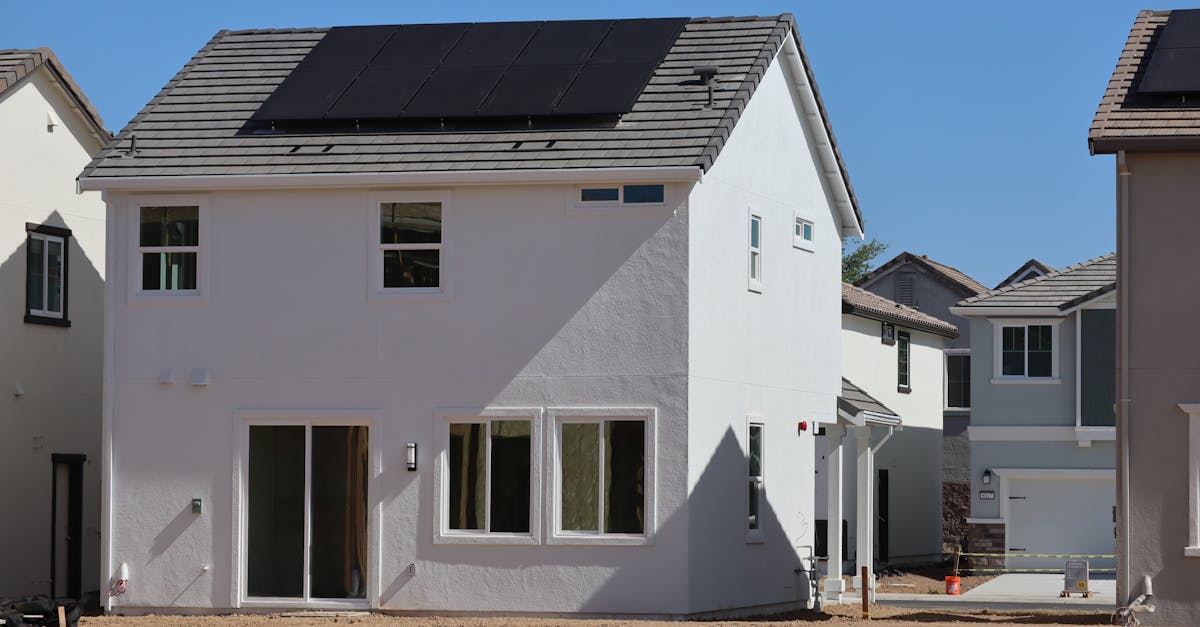
Help to Buy and Shared Ownership are two government schemes designed to make homeownership more affordable for first-time buyers in the UK. But "affordable" is relative — and the schemes come with hidden costs that can make them more expensive than a traditional mortgage. This guide breaks down how they work, what they really cost, and whether they're worth it for your situation.
What is Shared Ownership?
Shared Ownership is a scheme where you buy a share of a property — typically 25% to 75% — and pay rent on the rest. The idea sounds simple: own a portion, save money on the deposit, climb the property ladder faster. The reality is more complicated.
Here's how it works. You buy your share (let's say 40%) with a mortgage. You pay a mortgage on that 40%. You then pay rent on the 65% owned by the housing association. So you're making two monthly payments: a mortgage payment (which builds equity) and a rent payment (which doesn't).
On a £250,000 property at 40% ownership, you'd put down a 5–10% deposit on your £100,000 share (so £5,000–£10,000 in cash). You'd then get a mortgage for the remaining £90,000–£95,000. But you'd also pay monthly rent on the £150,000 you don't own — typically 2.75% per annum of that value. So on a £250,000 flat, that's about £344/month in rent on top of your mortgage.
The key feature is "staircasing" — over time, you can buy additional shares in the property. Many people eventually buy the remaining share and become full owners. But staircasing isn't free: you pay a surveyor's fee (£250–£500), a mortgage arrangement fee for the new mortgage, and potentially stamp duty on the additional share.
Shared Ownership is managed by housing associations across England, Wales, and Northern Ireland. Scotland uses a different scheme called New Build Heat Standard. You can search for schemes on the government's dedicated site.
The Help to Buy Timeline
Help to Buy ended in March 2023. If you're reading this after 2023, you cannot apply for the scheme. But it's worth understanding what it did, because many buyers still hold Help to Buy mortgages, and the legacy questions remain.
Help to Buy: Equity Loan gave first-time buyers a government loan of up to 20% of the property price (40% in London). You'd put down 5%, the government lent 20%, and you'd mortgage the remaining 75%. After 5 years, you started paying interest on the government loan (2% in year 1, rising each year). After 25 years, the loan was due in full.
The scheme was useful if you couldn't save a 20% deposit but could get a mortgage on 75% LTV. On a £250,000 property, a 20% Help to Buy loan meant you only needed £12,500 cash (5%) instead of £50,000 (20%). That was real money for first-time buyers in expensive areas.
But it ended. The government deemed it too expensive and the property market stable enough that first-time buyers could access mortgages at higher LTVs without the support. Shared Ownership remains and is the government's current focus for affordable homeownership.
The True Cost of Shared Ownership
The mortgage part of Shared Ownership is straightforward — it's like any other mortgage. What catches people out is everything else.
Rent on the share you don't own. This is the biggest hidden cost. On the earlier £250,000 example at 40% ownership, you're paying roughly £344/month in rent on the housing association's 60% share. Over 20 years, that's £82,560. It's not building equity; it's gone. And the rent is typically fixed for the first year, then can rise annually — often in line with inflation (RPI).
Service charges. You share responsibility for building maintenance. The housing association will charge you a service charge for your share of repairs, insurance, and management. Expect £100–£300/month depending on the building condition and location.
Staircasing costs. When you buy additional shares, you don't just pay the new purchase price. You pay:
- A new mortgage arrangement fee (typically £500–£2,000 for the additional mortgage)
- A surveyor's fee (£250–£500)
- Solicitor's fees (£400–£800)
- Stamp duty on the additional share (if it crosses the threshold)
On a £250,000 property, buying a 15% additional share (from 40% to 55%) might cost you an extra £37,500 in property price — plus £3,000–£4,000 in fees and duties. Many people underestimate these costs.
Ground rent (on leasehold shares). Most Shared Ownership homes are leasehold, not freehold. You own a long lease (typically 125 years), but you don't own the land. This opens up other costs:
- Ground rent (usually fixed or rising annually, can be £100–£300/year)
- Buildings insurance (charged by the leaseholder, not the housing association)
- Potential issues when the lease gets short (below 80 years) — remortgaging becomes harder and more expensive
Difficulty selling. Shared Ownership properties are harder to sell than traditional owner-occupied homes. Fewer buyers want them, and lenders are pickier about lending on them. You might find yourself needing to drop the price or wait longer to sell. Some buyers have found themselves trapped during property downturns.
Restrictions. The housing association has rules. You can't let the property out (rent it to tenants) without their consent, and consent is often refused for properties in high-demand areas. You can't renovate without approval. You can't remortgage at will — the housing association must agree. This lack of control frustrates many owners.
Shared Ownership vs Building a Deposit for a Traditional Mortgage
Let's compare two paths using real numbers.
Scenario A: Shared Ownership You buy a £250,000 flat at 40% ownership. You put down £10,000 (5% of your share). You get a mortgage for £90,000 at 5.2% over 25 years = £515/month. Rent on the 60% you don't own at 2.75% p.a. = £344/month. Service charge = £150/month. Total monthly cost = £1,009/month.
After 10 years, you've paid £121,080 in total (mortgage + rent + service charge). You've paid down the mortgage to roughly £67,000 (you own roughly 30% of your original £100,000 share through mortgage repayment). The property has potentially appreciated to £280,000, so your 40% share is worth £112,000. But you've spent £121,000 in cash. If you sold today, you'd have minimal gain after realtor fees and closing costs.
Scenario B: Traditional Mortgage (waiting for deposit) You rent for 5 years while saving. On the same flat, renting costs £1,100/month = £66,000 over 5 years. It's more than Scenario A so far. But in 5 years, you've saved an additional £15,000 (you saved £5,000 after year 1, £4,000 after year 2, reducing as your savings interest grows). Plus, house prices have risen; the flat is now £280,000. You put down £50,000 (18% deposit) and get a mortgage for £230,000 at 4.9% over 25 years = £1,290/month.
Now you own 100% of the property. After another 10 years (15 total from the start), you've paid roughly £154,800 in mortgage payments. The property is worth £315,000 (estimated). You own all of it. After realtor and closing costs, you've got significant equity.
The numbers aren't straightforward because:
- House prices might not rise at 2% per year (they might rise faster or slower)
- You might not save as disciplined as planned
- Interest rates change
- Shared Ownership rent might rise faster than inflation
Use our rent vs buy calculator to model your specific situation with realistic assumptions.
Common Pitfalls to Avoid
Underestimating the cost of staircasing. Many Shared Ownership buyers plan to staircase to 100% ownership within 5–10 years. They forget that staircasing isn't just buying the remaining share at current market value — it's paying mortgage arrangement fees, surveyors, solicitors, and potentially stamp duty. Budget £5,000–£10,000 in fees alone for each staircasing transaction. Some people spend more on fees than they anticipated.
Not understanding rent escalation. The housing association's rent is typically linked to RPI (Retail Price Index) inflation. If inflation rises, so does your rent. Over 20 years, this can compound significantly. A £300/month rent could become £500/month if inflation averages 3% annually. Factor this into your long-term budget.
Forgetting about your mortgage affordability. Because Shared Ownership requires a smaller deposit, it's tempting to stretch for a more expensive property. But you're still responsible for the mortgage and rent. If your mortgage is 4.5x your salary, and you also have £300+ in monthly rent, you're on a tight budget. A single rate rise or job disruption could hurt.
Assuming the housing association is a landlord like any other. They're not. They have restrictions, approval requirements, and different incentives. Some are better managed than others. Check reviews of the specific housing association managing your property before buying.
Not getting professional advice. Shared Ownership legal documents are complex. The mortgage terms interact with the lease terms in subtle ways. A conveyancer or solicitor experienced in Shared Ownership (not just traditional mortgages) is worth the £500–£800 fee. They'll spot issues you'd otherwise miss.
Frequently Asked Questions
Is Shared Ownership cheaper than renting? It depends on your rent and the property. On the £250,000 example (40% ownership), you'd pay £1,009/month in ownership costs (mortgage + rent + service charge) vs. £1,100–£1,200 for renting a similar property. So yes, it's a bit cheaper. But you're also responsible for repairs, insurance, and maintaining the property. The financial advantage is marginal, and you're taking on more responsibility.
Can I get a mortgage to buy a Shared Ownership property? Yes, but lenders are pickier. Most mainstream lenders will lend on Shared Ownership at 75–85% LTV (of your share), whereas traditional mortgages go up to 95% LTV. You'll likely pay a slightly higher rate (0.1–0.5% premium) because of the extra risk to the lender. Check with a broker — some lenders specialize in Shared Ownership.
What happens if I want to sell my Shared Ownership home? You can sell your share, but the housing association has first refusal. They can match any offer you receive. If they don't match it, your buyer must be approved by them and typically must be a first-time buyer or someone who qualifies for Shared Ownership. This shrinks the pool of potential buyers and can make selling slower or require a lower price. If the property is in a location where few people want to live, you could be stuck.
Can I do staircasing if I've had a pay cut or job loss? No. Staircasing requires a new mortgage, and you need to pass the lender's affordability checks just like for the original purchase. If your income has dropped or credit has suffered, you won't qualify. Many people plan to staircase on a schedule and then can't because their circumstances change.
Is Shared Ownership a good idea if I plan to stay 30+ years? Probably not. If you're buying a home you plan to stay in until retirement, a traditional mortgage at 85–90% LTV (once you've saved a larger deposit) is better. You'll own 100% of the property, have no rent to pay, and have more control. The benefit of Shared Ownership is getting onto the property ladder faster when you're young. If you can afford to wait and save, do.
What if the property drops in value? You're liable for negative equity (owing more than the property is worth) on your share, just like with a traditional mortgage. But the housing association owns the majority, so they have a bigger exposure. Some housing associations have been forgiving about this; others haven't. Check how the association handled the 2008 financial crisis — that's a clue to their behavior in downturns.
Can I remortgage my Shared Ownership property to a better rate? Yes, but the housing association must approve it. Most will, but they might take time (4–8 weeks) to respond. You can't simply switch lenders as quickly as with a traditional mortgage. Factor in this delay if rates are falling and you want to lock in quickly.
Is Shared Ownership worth it if I could buy with a 15% deposit? If you can save a 15% deposit for a traditional mortgage, it's usually better to do that. A 15% LTV mortgage at 5.2% over 25 years (£250,000 property = £212,500 mortgage) costs £1,190/month. Shared Ownership at 40% costs £515 mortgage + £344 rent + £150 service charge = £1,009/month. Shared Ownership looks cheaper, but you don't own the property, rent will rise, and you're paying all the service charge costs. After 10 years, the traditional mortgage will have been paid down significantly; Shared Ownership will have cost you more. The math favors the traditional route if you can access it.
Next Steps
Shared Ownership makes sense if:
- You're a first-time buyer who can't save a 15%+ deposit
- The property is in an area where you plan to stay 5–10+ years
- You understand and accept the rent, service charges, and staircasing costs
- You've researched the specific housing association and their reputation
If none of these apply, explore alternatives. If you're comparing Shared Ownership with renting or a traditional mortgage, use our mortgage calculator to model the numbers. Try different scenarios: different deposit amounts, different interest rates, different timeframes. The decision often comes down to your specific numbers and plans, not the scheme's promise alone.