Self-Assessment Tax Return: A Step-by-Step Guide
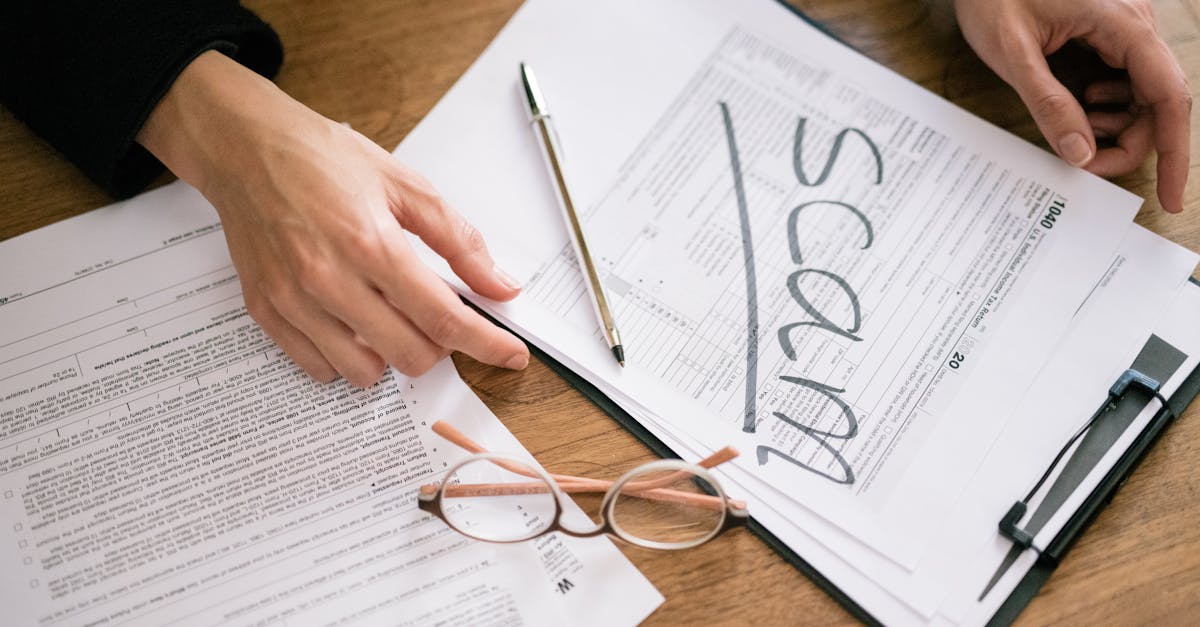
Filing a UK self-assessment tax return doesn't have to be stressful. Whether you're self-employed, a company director, or supplementing income with freelance work, this step-by-step guide walks you through the self-assessment tax return process, shows you exactly what HMRC needs to see, and highlights the tax relief and deductions you might be leaving on the table.
When Do You Need to File Self-Assessment?
You must file a self-assessment tax return if:
- You're self-employed and earning more than £1,000 per year
- You're a company director (even if you only take a salary)
- You have untaxed income: rental income, investment income, pension income above £125,140, or other benefits
- You're employed but have undeclared side income
- HMRC asks you to (you'll receive a notice to file)
If you've been issued a Self-Assessment UTR (Unique Taxpayer Reference), HMRC expects to hear from you by 31 January following the end of the tax year (which runs 6 April to 5 April).
The same deadline applies whether you file online, by post, or via a tax accountant — though filing online gives you an extra month if you want an accountant to submit on your behalf.
How to File Self-Assessment: The Step-by-Step Process
Step 1: Register (if you haven't already)
If you're self-employed and don't yet have a UTR, register with HMRC online. You'll need:
- Your National Insurance number
- Proof of identity
- Proof of address
- Details of your business
This takes about 10 minutes and you'll receive a UTR within 48 hours (sometimes immediately). If you need more detail on getting started, our guide to registering as self-employed walks through the process.
Step 2: Gather your records
Dig out everything from the tax year (6 April to 5 April):
- Bank statements — download them all. HMRC can see which accounts you've reported before.
- Invoices and receipts — for both income earned and expenses claimed. Digital records are fine; paper is fine. Either way, keep them for 6 years (or 4 years if you're certain HMRC won't enquire).
- P60 forms — if you were employed during the year, your employer will have sent you this at the end of the tax year.
- Investment and savings statements — interest, dividends, capital gains.
- Rent received — if you let out property.
- Mileage log — if you claim working mileage on tax. Keep a note of total business miles driven.
The golden rule: HMRC can enquire up to 4 years back for standard enquiries, or 6 years if they suspect carelessness. Digital records are acceptable; you don't need to scan and print everything. But do keep them organized.
Step 3: Calculate your income
List all income for the tax year:
- Fees, invoices, and payments received
- Goods or materials sold
- Grants or awards (most are taxable)
- Income from property (before expenses)
- Interest, dividends, pension income
Don't include VAT if you're registered (you claim this separately) or amounts you've invoiced but haven't yet received.
For employees with side income: Use your P60 as your employment income figure. Add any freelance or part-time earnings on top.
Step 4: Claim your allowable expenses
This is where most people leave money on the table. Allowable expenses reduce your taxable profit, so a £5,000 claim could save £1,000 in tax (at 20% basic rate).
Common deductible expenses for self-employed:
- Office rent, mortgage interest (not the capital), or a percentage of council tax and utilities if working from home
- Phone, internet, equipment (computers, furniture — spreads over time via capital allowance)
- Professional fees and subscriptions
- Training and professional development
- Insurance (contents, public liability, professional indemnity)
- Vehicle running costs (fuel, maintenance, insurance)
- Postage, stationery, software subscriptions
What you can't claim:
- Personal living expenses
- Clothing (unless it's specialist work wear)
- Commuting between home and work
- Fines, penalties, or illegal activity
Unsure whether a cost is deductible? Our guide to small business tax deductions covers the tricky ones. If you're unsure about capital allowances for equipment over £500, or spreading costs over years, check the annual investment allowance rules.
Step 5: File online via HMRC's portal
Go to Self-Assessment online. You'll use your UTR and password.
The form asks for:
- Employment income (if any) — from your P60
- Self-employment income — total turnover minus allowable expenses
- Other income — savings interest, dividends, rental income, pensions
- Adjustments — capital allowances, pension relief, marriage allowance
- Tax reliefs — anything eligible
- National Insurance — calculated automatically based on your profit
You can save and return to your return as many times as you like before submitting.
Step 6: Submit and pay
Once you're happy with the numbers, submit online. You'll immediately see:
- Your tax liability
- Any tax credits you're entitled to
- Payments on account (if due)
If you owe tax, HMRC gives you until 31 January to pay. If you pay late, interest starts accruing immediately — the current rate is around 8.75% per annum (check the gov.uk page for the live rate).
If you're likely to owe more than £3,000, HMRC may require payments on account — two advance payments of tax, due 31 January and 31 July the following year. Your accountant or tax software will flag this.
What You Might Be Missing: Tax Relief and Deductions
Even experienced self-employed people miss these.
Marriage Allowance — If one partner earns under £12,570 and the other is a basic rate taxpayer, the non-working or low-earning partner can transfer unused personal allowance, saving £252 per year. Apply online; it's backdatable 4 years.
Pension contributions — Contributions get tax relief at your marginal rate. A £100 contribution costs £80 (basic rate) or £60 (higher rate) because HMRC tops up the tax relief automatically (or you claim it back). This is the most tax-efficient way to save. See our breakdown of pension contributions and corporation tax relief for the detail.
Working from home allowance — Claim either actual costs (utilities, council tax, mortgage interest) or a simplified rate of £26/month for light use, £78/month for full use. HMRC calls this "simplified expenses."
Class 2 and Class 4 National Insurance — If self-employed, you'll pay Class 2 (flat rate) and Class 4 (between £9,100–£50,270 profit at 9%, above that at 2%). You can't avoid these, but knowing the cost upfront helps with planning.
Losses and carry-forward — If you make a loss, carry it forward to offset next year's profit. Some losses can be carried back to reduce previous-year tax.
Common Self-Assessment Mistakes
Filing late — The deadline is 31 January. File online by 23:59, and you'll be marked as on-time. Late filing costs £100 immediately (HMRC applies this automatically), then £10 per day if you're more than 3 months late. If you file 12+ months late, you'll face a penalty of 5% of the tax owed.
Not reporting all income — HMRC can see a lot of your financial activity: bank deposits, payments to suppliers, VAT records if you're registered. Omitting a side-job or rental income is a red flag for enquiry.
Forgetting to declare student loan repayments — If you have a student loan, HMRC needs to know your income to assess repayment. Otherwise, you'll either repay too much or too little.
Claiming too much in one category — Unusual claims (£10k in "office supplies") trigger enquiry. Be specific and reasonable.
Missing the payment deadline — Pay by 31 January. Direct debit, bank transfer, or Faster Payments all count. Cheque in the post does not; it must clear by 31 January.
Not keeping records — HMRC can enquire for 4–6 years. If you can't justify your figures, you'll face penalties on top of back tax.
Frequently Asked Questions
Q: Can I file my self-assessment early? A: Yes, online filing typically opens in early April (start of the new tax year). Filing early is smart — you'll get your tax bill sorted early, and you're less likely to miss the deadline.
Q: What if I owe tax but can't pay it all by 31 January? A: Contact HMRC immediately. You can set up a Time To Pay arrangement (a payment plan) rather than face late-payment penalties. Interest still runs, but it's better than a flat penalty on top.
Q: Do I need an accountant to file self-assessment? A: No, but it's worth the cost if you're self-employed with complex expenses or multiple income streams. A good accountant (£300–£1,500/year depending on complexity) often pays for itself in missed deductions they spot. For simple cases, HMRC's online form or free software like HMRC's Basic PAYE Tools works fine.
Q: What counts as "self-employed" for self-assessment? A: You're self-employed if you're trading as a sole trader (one person, not incorporated) or in a partnership. Company directors must also file, even if they're employees. Freelancers and contractors are self-employed. If you're unsure whether to set up as a sole trader or limited company, compare the tax and legal differences.
Q: Can I amend my return after I've submitted it? A: Yes — within 12 months of the filing deadline (so until 31 January the following year). Use HMRC's online services to file an amendment. HMRC will recalculate your tax automatically.
Q: What happens if HMRC investigates my return? A: They'll issue a "notice of enquiry" specifying what they want to review (your mileage claims, your home office costs, your turnover). You have a month to respond with evidence. If it's a standard check, you'll hear back within 12 months. If it's more serious, it could take longer. Keep your records meticulously.
Q: Does the £1,000 trading allowance change anything? A: If you're self-employed and earn under £1,000, you don't have to file a return (HMRC won't chase you). If you earn between £0–£1,000, you can claim the trading allowance (£1,000 tax-free) instead of calculating your actual profit and expenses. This is simpler but only useful if your profit would otherwise be under £1,000.
Q: I'm a company director — do I file self-assessment separately from the company's corporation tax return? A: Yes. Your company files a Corporation Tax return (CT600) and pays corporation tax on profits. You file a Personal Self-Assessment return and pay Income Tax + National Insurance on salary and dividends. They're separate. See our guide on calculating corporation tax for the company side.
Next Steps
File your return by 31 January, keep your records, and don't panic. If you're self-employed and filing for the first time, check HMRC's Self-Assessment guidance or contact a local tax advisor.
Need help planning your business costs? Our break-even calculator shows you exactly how much revenue you need to cover expenses — useful context when you're setting your self-assessment profit targets.