Startup Costs You Can Deduct Before Trading Begins
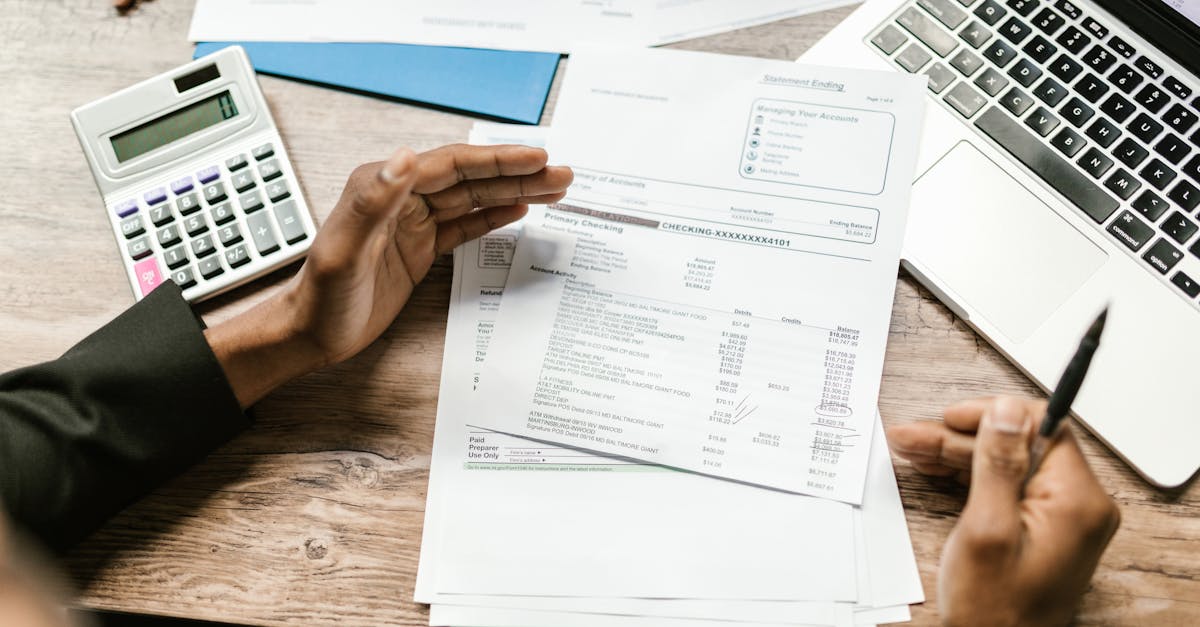
If you're planning to start a business, some expenses you'll incur before you officially begin trading can be deducted against your profits — potentially saving you thousands in tax. The key question is: which ones?
What counts as a pre-trading expense?
A pre-trading expense (also called pre-commencement expenditure) is money you spend before your business legally starts trading. This might be months or even years before you first invoice a customer. The critical rule from HMRC is straightforward: if the expense would be deductible once you're trading, it's likely deductible before trading too.
The distinction between "setting-up costs" and "running costs" matters. Setting-up costs — registering your company, buying initial equipment, training in a skill you'll use in the business — typically qualify. Running costs — things that would be revenue expenditure during trading — can also be deductible, but only if they relate directly to the business you're about to launch.
HMRC's guidance on expenditure before you start trading makes clear that the test is whether you spent money "wholly and exclusively" for the purposes of the business. Before you start trading, that means money spent directly on setting up that specific business.
Which startup costs are deductible?
The practical list is longer than many entrepreneurs expect. Here are the main categories:
Market research and professional advice Surveying your market, researching competitors, testing a business idea, paying for an accountant's startup consultation, or getting legal advice on business structure — all deductible. Once trading starts, these would be business expenses, so they count before trading too.
Training and qualifications If you're learning a skill you'll directly use — a fitness instructor getting a gym qualification, a tradesperson taking a skills course, an accountant studying a new software platform — that's deductible. It has to be training for the specific business, not generic self-development.
Equipment and tools A laptop, software licenses, machinery, office furniture, or any tangible item you'll use to run the business is deductible. Once trading starts, you'll claim depreciation on business assets, but the initial purchase is deductible in the pre-trading period.
Vehicle costs A van or car you'll use for the business is deductible — but only the business proportion. Use it 40% for business and 60% personal? You deduct 40% of the cost. The key is consistency: once trading, you'll track business mileage the same way.
Premises and rent Rent or lease payments for an office, shop, or warehouse before you open — deductible. Caveat: if the property is genuinely empty and you haven't yet taken possession for trading purposes, HMRC may argue it's a capital investment rather than revenue. A dated lease showing the trading start date protects you.
Insurance and professional fees Employer's liability insurance, public liability, professional indemnity, accountancy fees, solicitor's charges for contract reviews or lease negotiations — all deductible. These are routine running costs once trading, so they qualify before.
Advertising and branding Website design, logo creation, initial marketing campaigns — deductible. The expense must be for trading purposes; setting up a website you'll eventually use for a business counts; a personal blog doesn't.
Interest on borrowings If you borrow money to finance pre-trading expenditure (e.g., a business loan for equipment), the interest is deductible from day one, even before trading starts. This is a specific HMRC allowance for pre-trading interest.
Stock and materials Raw materials, stock, or inventory purchased before trading starts are deductible — though the way you account for opening stock depends on your accounting method. See our guide on cash basis vs accrual accounting for how this timing affects your first-year numbers.
The seven-year rule: how timing works
Here's the generous bit: expenses incurred in the seven years before you start trading can be deducted in your first year of trading accounts, provided they would have been deductible during trading. So if you spent £2,500 on a lathe five years before starting a manufacturing business, and you eventually use that business — you can claim the £2,500 in your first-year accounts.
The seven-year window is HMRC's way of covering businesses that take years to plan. However, the closer to trading you incur the expense, the less argument there is. If you spent money 10 years ago and only now started the business, HMRC may challenge it, arguing you weren't genuinely planning the business then.
Your accountant will time the deduction carefully in your first-year accounts. You won't claim pre-trading expenses separately — they're deducted as part of your total business expenditure in year one. But the date of spending matters for the HMRC audit trail.
Proving your expenses to HMRC
HMRC doesn't care how much you spent in theory; they care how much you can prove you spent. For pre-trading expenses, you need:
Receipts and invoices — bank statements alone aren't enough. You need proof of what you bought and from whom.
A record of business purpose — a note in your records saying "laptop and software for the web design business I'm starting" is valuable. A random receipt with no context is harder to defend.
Dates — when did you buy it? When did you start trading? HMRC traces the timeline.
The business connection — if you buy a laptop before starting a web design business, that's credible. If you buy a laptop and then start a cleaning business, the link is harder to justify.
Keep all records for at least six years. HMRC can enquire into your tax affairs up to four years back (six if they suspect carelessness, 20 for deliberate evasion). Digital records are fine; paper is optional.
How pre-trading expenses affect your first-year profit
Here's the arithmetic. Imagine you're starting a freelance consulting business:
- You spend £3,500 on equipment, software, and training before trading starts
- In your first year, you earn £48,000 in fees
- Your pre-trading expenses (£3,500) are deducted from revenue
- Your taxable profit is £48,000 − £3,500 = £44,500
That £44,500 is your profit for tax purposes. If you're a limited company, you'll pay corporation tax on that. If you're self-employed, it's your trading income for income tax.
One exception: if your first-year revenue is less than your pre-trading expenses, you'll have a trading loss. If you spent £3,500 on setup but earned only £2,000 in revenue, you'd have a £1,500 loss. You can usually carry that loss forward to offset future-year profits, or in some cases offset it against other income in the same year. This gets technical; your accountant can advise.
If you buy long-term assets (equipment, vehicles, machinery), you may also claim Annual Investment Allowance or capital allowances, depending on the cost and type. Don't double-count: deduct the cost under pre-trading expenses OR claim capital allowances, not both.
Frequently Asked Questions
Can I deduct pre-trading expenses before I've started trading? You can incur them and record them, but you can't claim the deduction until you file a tax return as a trading business. HMRC doesn't allow a deduction before trading officially begins. Once you start, pre-trading expenses are deducted from your first-year profits on your tax return.
What if I spent money years before I started trading? Expenses within seven years of starting can be deducted. Beyond seven years, HMRC may question whether you were genuinely planning the business at that time. Always keep records with clear dates and notes on business purpose.
Can I claim pre-trading expenses if the business fails? Yes. If you start trading and the business fails within the first few years, your pre-trading expenses are still deductible in your tax return for that period. You'll likely have a loss, which can be offset against other income or carried forward.
Is there a limit to how much I can deduct? No fixed maximum. The limit is the actual amount you spent on genuine business setup costs. However, HMRC may challenge unreasonably high expenses without clear business purpose or those that look capital rather than revenue.
Do I show pre-trading expenses separately on my tax return? Your accountant combines them with trading expenses in your first-year accounts. You don't show them separately on the tax form, but it's good practice to label them in your accounting records so your accountant can evidence the claim if HMRC asks.
What if equipment I bought before trading becomes obsolete? You still deduct the cost in your first trading year. If you later dispose of the asset for less than you paid, you can claim a capital loss (depending on the asset type). Your accountant will advise.
Can I claim pre-trading interest on a business loan? Yes. Interest on borrowings used for pre-trading expenditure is deductible from the date you incur it, even before trading starts. This is a specific HMRC allowance.
Does this affect my eligibility for startup grants or business support? Some schemes have turnover or profit thresholds. A pre-trading loss or very low first-year profit might affect eligibility. Check the specific scheme rules before applying.
Final point
The key is to be deliberate. Track everything, keep receipts, note the business purpose in your records, and discuss timing with your accountant before you file. Pre-trading expenses are deductible in your first year of trading — usually within seven years of spending — but only if they genuinely relate to setting up that business and meet HMRC's "wholly and exclusively" test. Get the advice early; it saves arguments later.