The Entrepreneur's Guide to Break-Even Analysis
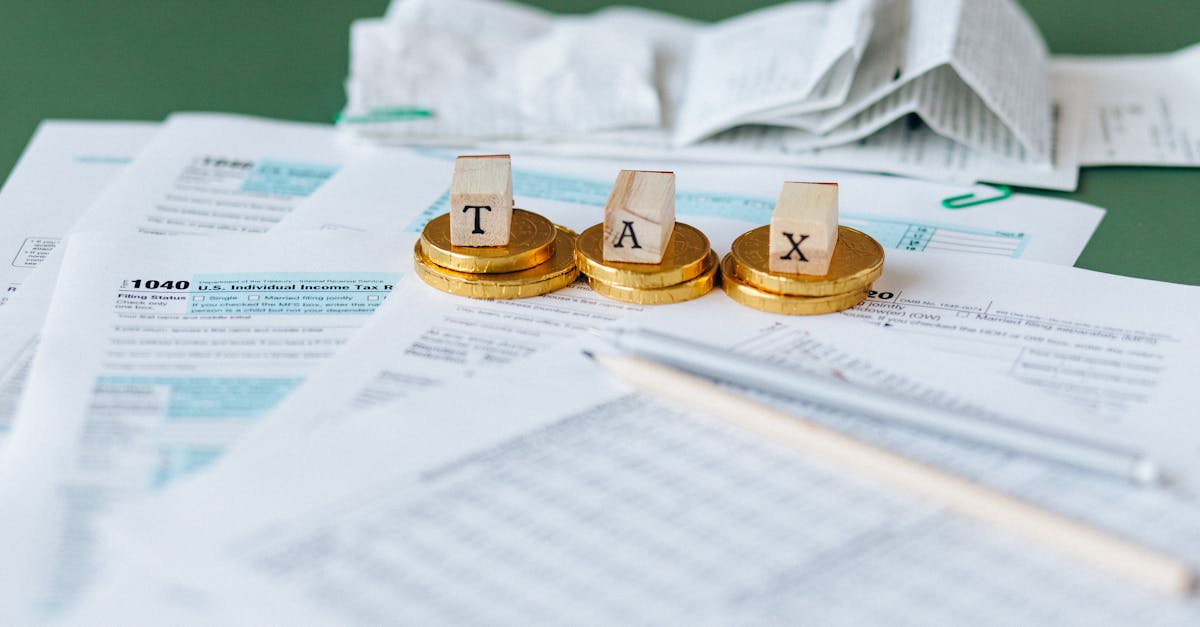
Every entrepreneur needs to know one number: how much you need to sell just to stop losing money. That's your break-even point — the revenue level where total costs equal total income, and profit is zero. Understanding break-even analysis helps you price your products correctly, plan your growth, and know when your business will actually become profitable. Whether you're launching a startup or scaling an existing operation, break-even gives you the clarity to make better decisions.
What Is Break-Even Analysis?
Break-even analysis tells you the minimum sales volume (or revenue) needed to cover all your costs — both the fixed costs that stay the same each month and the variable costs that change with every sale. Below break-even, you lose money. At break-even, you neither win nor lose. Above break-even, you profit. It's one of the most useful tools in business planning because it removes the guesswork from "when will we actually make money?"
The break-even point exists for every business model. A freelancer needs to know how many hours they must bill per month to cover their software subscriptions and rent. A product business needs to know how many units to sell. A SaaS company needs to know how many subscribers. The principle is always the same: costs in, revenue out, break-even when they're equal.
Our break-even calculator handles the maths for you, but understanding the thinking behind it is more valuable than any shortcut.
Fixed Costs, Variable Costs, and Contribution Margin
Before you can find your break-even point, you need to separate your costs into two buckets: fixed and variable.
Fixed costs stay the same regardless of how much you sell. Rent, salaries, insurance, software subscriptions — these costs exist whether you sell one unit or one thousand. In a startup, fixed costs might include premises, core staff, and accounting software. If your monthly fixed costs are £3,000, you pay that £3,000 whether you earn £1,000 or £10,000 in revenue that month.
Variable costs change with every unit sold. Raw materials, packaging, commission, payment processing fees — these scale with sales. If you make custom mugs and each one costs £2 in materials and labour to produce, your variable cost is £2 per unit. Sell 100 mugs, variable costs are £200. Sell 500 mugs, variable costs are £1,000.
Contribution margin is the magic number. It's the revenue from each sale minus the variable cost for that sale. If you sell a mug for £12 and the variable cost is £2, your contribution margin is £10. That £10 goes toward covering your fixed costs and eventually creating profit. Expressed as a percentage: (£10 ÷ £12) = 83% contribution margin.
The higher your contribution margin, the fewer units you need to sell to break even — because each sale contributes more toward covering your fixed costs. If your contribution margin is only 20% (selling for £100 with £80 variable cost), you'll need to sell many more units than a business with an 80% contribution margin.
Understanding this is key to pricing your products correctly. Too low a price means a weak contribution margin and an impossible break-even point. Too high a price might mean zero sales and an infinite break-even.
How to Calculate Your Break-Even Point
The formula is straightforward:
Break-Even Point (units) = Fixed Costs ÷ Contribution Margin per Unit
Or, in revenue terms:
Break-Even Revenue = Fixed Costs ÷ Contribution Margin Percentage
Let's use a real example. You're launching a line of ebooks. Your fixed costs are:
- Website hosting and domain: £50/month
- Email marketing software: £20/month
- Accounting and admin: £150/month
- Your time (salary to yourself): £2,000/month
- Total fixed costs: £2,220/month
You'll sell each ebook for £12. Your variable costs are minimal: email delivery and payment processing fees of £1.50 per sale.
Contribution margin per unit: £12 − £1.50 = £10.50 Contribution margin percentage: £10.50 ÷ £12 = 87.5%
Break-even in units: £2,220 ÷ £10.50 = 211 ebooks per month Break-even in revenue: £2,220 ÷ 0.875 = £2,537 per month
So you need to sell 211 ebooks a month (or roughly £2,537 in revenue) just to cover your costs. Every ebook sold above that number is profit. Sell 300 ebooks, and you're making (300 − 211) × £10.50 = £935 profit.
This calculation assumes your costs stay constant. In reality, they might not — if demand spikes and you need to hire help, your fixed costs rise, so does your break-even point. But at any given moment, this formula tells you where you stand.
Break-Even in Practice
The formula is useful only if you plug in real numbers. Here are three scenarios:
Scenario 1: Service business (personal training) Fixed costs: £400/month (studio rental, insurance, scheduling software) Price per session: £40 Variable costs: £0 (you don't have material costs) Contribution margin: £40 − £0 = £40 per session
Break-even: £400 ÷ £40 = 10 sessions per month
You need to book 10 clients per month just to cover costs. With a full schedule of 40 sessions per month, you're earning (40 − 10) × £40 = £1,200 profit.
Scenario 2: Product business (handmade candles) Fixed costs: £800/month (workshop rental, equipment maintenance, insurance) Price per candle: £18 Variable costs: £5 (wax, wick, labour, packaging) Contribution margin: £18 − £5 = £13 per candle
Break-even: £800 ÷ £13 = 62 candles per month (rounding up)
You need to sell 62 candles just to cover costs. If you sell 200 candles, profit is (200 − 62) × £13 = £1,794. This is where scale matters — the variable cost per unit (£5) doesn't change, but each extra sale contributes the full £13.
Scenario 3: SaaS (software subscription) Fixed costs: £5,000/month (server hosting, staff salary, support tools) Price per subscription: £50/month Variable costs: £10/month per subscriber (payment processing, email service, support) Contribution margin: £50 − £10 = £40 per subscriber
Break-even: £5,000 ÷ £40 = 125 subscribers
You need 125 paying customers just to cover costs. At 300 subscribers, you're generating (300 − 125) × £40 = £7,000 monthly profit. This shows why SaaS businesses focus on churn reduction and customer acquisition — the contribution margin is high, but the fixed costs are high too.
Making Break-Even Work for Your Business
Break-even analysis is a planning tool, not a static fact. Use it three ways:
1. Know your target. Calculate your break-even point and know the number cold. 211 ebooks. 62 candles. 125 subscribers. This number should drive your marketing, product roadmap, and hiring decisions. If you're months away from hitting it, you're not yet a sustainable business — and that's useful to know.
2. Understand your cost structure. Break-even analysis forces you to categorise every cost and ask: is this fixed or variable? This clarity is invaluable. It shows you where you have leverage. If 80% of your costs are fixed (rent, salaries), you're in a high-risk, high-reward business — once you're past break-even, each extra sale is mostly profit. If 80% of your costs are variable, you're lower-risk but lower-reward — you're unlikely to go bankrupt, but scaling requires constant spending.
3. Stress-test your assumptions. What if your contribution margin drops 10% because a competitor cuts prices? Recalculate your break-even. What if fixed costs rise 20% because you hire an assistant? Break-even goes up. Playing with these numbers before you build the business is how you avoid expensive mistakes.
This is where understanding your startup costs and calculating ROI on business investments becomes critical. Break-even is the entry point; ROI is what happens after.
For tax purposes, you'll also want to track which costs are deductible business expenses and whether your accounting method (cash or accrual) affects how you record them. Break-even analysis uses accrual thinking — costs when incurred, not when paid — which aligns with how your accountant will want to see the books.
Frequently Asked Questions
Q: What's the difference between break-even and profitability? A: Break-even is the point where you make zero profit. Profitability is any point above break-even. At break-even, revenue = costs. When profitable, revenue > costs. You want to get past break-even as quickly as possible, then focus on maximizing profit margins.
Q: Can I have a negative break-even point? A: No. Break-even is always a positive number (or zero if you have no fixed costs, which is rare). If your maths gives a negative number, it means your contribution margin is negative — you're losing money on every sale. That's a sign your costs are too high or your price is too low. Increase the price or cut variable costs.
Q: Should I include my salary in fixed costs? A: Yes, always. Whether you pay yourself a salary or take drawings, the money you need to live on is a cost of running the business. If you ignore it, your break-even calculation is meaningless. Include a realistic salary for yourself as a fixed cost, then calculate how many sales you need to pay yourself.
Q: How does seasonality affect break-even? A: Break-even is a monthly (or annual) calculation, so seasonal businesses need to calculate carefully. A Christmas decoration business might break even in October but lose money May through August. Calculate break-even for your busiest month and your slowest month separately. Plan your cash reserves accordingly.
Q: What if my variable costs change? A: Recalculate. If you negotiate a 10% better rate on raw materials, your variable cost per unit drops, contribution margin rises, and break-even falls. This is why entrepreneurs obsess over negotiating supplier costs — a small percentage change in variable cost can dramatically improve break-even and profitability.
Q: Can I use break-even analysis for a side business or hobby? A: Absolutely. If you're selling handmade jewellery on weekends, calculate your break-even. You might find that after accounting for materials, platform fees, and the time you'd need to spend, you're not actually making money. Or you might find you only need to sell 5 pieces per month to cover costs, and you're doing that easily. Either way, you'll know the real number.
Q: How often should I recalculate break-even? A: Quarterly at minimum. Your costs change, your prices change, your product mix changes. Recalculate whenever a major cost or revenue assumption shifts. This keeps your understanding current and helps you spot trends early — are you approaching break-even faster or slower than projected?
Q: Is break-even the same for all products if I sell multiple things? A: No. Each product or service line has its own contribution margin. A business selling both low-margin products (5% contribution) and high-margin products (80% contribution) needs to calculate a weighted break-even based on the mix. Or calculate break-even separately for each line and understand which products are carrying the business.
Breaking even is not the goal — it's a waypoint. But it's a critical waypoint because it tells you when your business becomes self-sustaining. Until you hit break-even, you're burning through savings or investment. Once you hit it, you're working toward real profit. Use our break-even calculator to run your numbers, then revisit this analysis quarterly as your business evolves. The business that knows its break-even point makes better decisions than one that doesn't.