Second Home Mortgage: Rules, Rates, and Tax Implications
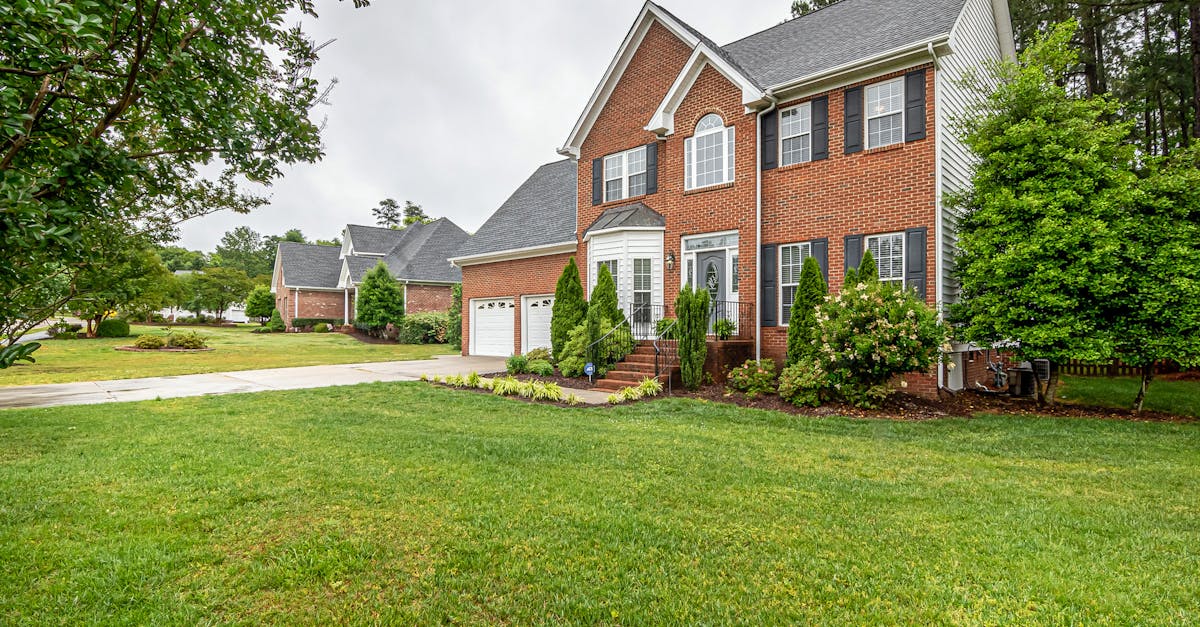
Buying a second home is fundamentally different from buying your first. Lenders treat additional properties as higher risk, stamp duty costs jump by 3%, and affordability calculations are stricter. This guide explains the second home mortgage rules, why rates are higher, and what you'll actually pay.
How Second Home Mortgages Differ from First-Time Purchases
A second home mortgage isn't just a repeat of your first purchase — it's a different product with different rules.
Deposit requirements are higher. First-time buyers can often get away with 5–10% deposits. For a second home, lenders typically require 15–25% down. This isn't written in stone; it depends on the lender and your creditworthiness. But expect to put up more cash upfront. On a £300,000 property, that's the difference between £15,000 (5%) and £75,000 (25%) — a significant barrier to entry.
Affordability calculations are tighter. Lenders use different multipliers for second homes. Where they might lend 4.5x your salary for a primary residence, second home mortgages are often capped at 3–3.5x. The logic: you've got two properties now, two sets of costs (council tax, insurance, maintenance), and if one rental income falls through, you're stretched. (Lenders bet you have two mortgages on one salary — they're usually right.) Use our affordability calculator to see what you can actually borrow before approaching lenders.
Interest rates are typically 0.5–1% higher. Because second homes are seen as investments rather than primary residences, they carry higher default risk in lenders' eyes. A first-time buyer might get 4.5% on a 20% LTV mortgage; the same person buying a second home might pay 5.0–5.5%. On a £250,000 mortgage, that's £100–150 extra per month, or £30,000–£54,000 over a 25-year term. How rising rates affect your monthly payments is worth understanding before you fix.
Buy-to-let rules apply if you rent it out. If your second home isn't a holiday home but an investment rental, you're in the buy-to-let market. BTL mortgages have different rates (often 0.5–1% higher again), different stress-testing rules (typically based on rental income, not your salary), and different tax treatment. We'll cover the tax side below.
Our mortgage calculator works for primary residences; for buy-to-let, you'll want specialist tools or a broker's advice.
The Stamp Duty Bombshell: 3% Surcharge on Second Homes
Stamp Duty Land Tax (SDLT) is where second homes get expensive, fast.
If you're buying a second property, you pay a flat 3% surcharge on top of all the standard SDLT bands. Here's what that looks like:
- £0–£125,000: 3% (instead of 0%)
- £125,001–£250,000: 8% (instead of 5%)
- £250,001–£925,000: 10% (instead of 5%)
- £925,001–£1.5m: 15% (instead of 10%)
- Over £1.5m: 17% (instead of 12%)
(First-time buyer relief, which exempts purchases up to £425,000, doesn't apply to second homes. You're not a first-time buyer anymore, so that door is closed.)
Worked example: You're buying a £300,000 flat as a second property.
- Standard SDLT on £300,000: 5% on the first £250,000 (£12,500) + 10% on the remaining £50,000 (£5,000) = £17,500
- Second home surcharge: 3% on the whole £300,000 = £9,000
- Total SDLT: £26,500
That's a £9,000 bill on top of the mortgage, surveys, solicitor, and arrangement fees. Most people don't budget for these hidden costs — by the time you add legal fees, valuation, survey, and insurance, you're looking at another £2,000–£4,000 in closing costs.
Check the gov.uk SDLT page for current bands; they adjust annually.
Lending Criteria: What Lenders Actually Check
Second home mortgages require more scrutiny. Lenders care about:
Loan-to-value (LTV). If you can only put down 10%, you're at 90% LTV. Most high-street lenders cap second homes at 75–80% LTV; specialist lenders might go to 85%, but at a premium rate. Getting a 90% or 95% LTV second home mortgage is difficult, expensive, or both.
Proof of income and existing borrowing. For a first-time buyer, your salary or savings are usually enough. For a second home, lenders want to know:
- Your primary residence mortgage status (do you have arrears? How much equity?)
- Your total borrowing across both properties
- If the second home is a rental, they'll stress-test against expected rental income — usually at 125% of the mortgage payment, to allow a safety margin
Affordability under stress. Lenders will calculate: "If this borrower's primary mortgage rate rises 2%, and the second home rental income drops 20%, can they still make both payments?" If the answer is "barely," you won't get the mortgage. This is why getting mortgage pre-approval early helps — you'll know exactly what a lender will offer before you start viewing properties.
Credit history. Second home lenders are pickier. A missed payment on your primary mortgage five years ago won't disqualify you, but it'll bump your rate up 0.25–0.5%. Recent missed payments are a bigger problem.
Documentation. Expect to provide more paperwork than a first-time buyer: 2–3 years of accounts (if self-employed), proof of rental income (if it applies), bank statements showing the deposit source, confirmation of how the primary residence is being financed.
Check our mortgage application checklist for a full list of what lenders typically request.
Rates, Terms, and Total Cost
Second home mortgage rates vary by lender and LTV, but here's what to expect in 2026:
| LTV | Typical Rate | Monthly Cost (£250k mortgage, 25 years) |
|---|---|---|
| 60% | 4.5–5.0% | £1,250–£1,340 |
| 75% | 5.0–5.5% | £1,340–£1,430 |
| 80% | 5.3–5.8% | £1,400–£1,500 |
These are illustrative; actual rates depend on your circumstances, the lender, and market conditions. Always get quotes from at least 5 lenders before deciding.
Fixed vs. variable: Fixed-rate mortgages (typically 2–5 years) lock in certainty; variable rates (tracker or discount) move with the Bank of England base rate. On a second home, fixed is often safer, because you've less budget flexibility if rates spike.
Term length: You can now get mortgages over up to 40 years, which lowers monthly payments but increases total interest. A £250,000 mortgage at 5.2% costs:
- 25 years: £1,484/month, £245,200 total interest
- 30 years: £1,336/month, £230,960 total interest
- 35 years: £1,245/month, £222,300 total interest
Lower monthly payments sound good, but you're paying interest for longer. Run the numbers on your specific situation before stretching the term. Our mortgage calculator lets you compare different scenarios instantly.
Understanding where your payment goes. Early in the mortgage, most of your payment is interest; later, it shifts toward capital. Read about mortgage amortisation to see exactly how this works, especially if you're planning overpayments or remortgaging.
Tax: Can You Deduct Mortgage Interest on a Second Home?
This is where things get murky for second home owners, especially if you're renting it out.
If it's a holiday home (personal use): You can't deduct mortgage interest on your tax return. It's treated like a personal expenditure, not a business cost. Council tax, insurance, and maintenance are all out-of-pocket expenses.
If it's a buy-to-let (investment rental): Mortgage interest is deductible against rental income — but with a big caveat. For mortgages taken out before April 2017, you could deduct 100% of the interest. For new mortgages or increased lending from April 2017 onwards, the relief is restricted:
- In 2026, you can deduct 80% of mortgage interest
- The remaining 20% is given as a 20% tax credit (better than nothing, but not full deduction)
- This is being phased towards full relief by 2030 (possibly), but don't bank on it
Example: You earn £30,000 rental income and pay £8,000 in mortgage interest on a buy-to-let second home.
- Deductible interest: £8,000 × 80% = £6,400
- Taxable rental income: £30,000 − £6,400 = £23,600
- Tax at 20% basic rate: £4,720
- Tax credit for the remaining 20% interest: 20% × £1,600 = £320
- Net tax due: £4,720 − £320 = £4,400
You save roughly £1,200 in tax vs. if there were no relief, but you're not getting the full deduction. For exact figures relevant to your situation, check HMRC's guidance on buy-to-let tax. If you're borderline on affordability, the tax relief may make a difference — don't ignore it in your planning.
Frequently Asked Questions
Can I get a second home mortgage with a low credit score? Yes, but expect a higher rate (0.5–1% premium) and a lower LTV (you'll need a bigger deposit). Some specialist lenders accept scores down to 600; high-street lenders usually want 700+. If your credit is poor, a mortgage broker can find lenders willing to work with you, though you'll pay a broker fee (typically £300–£800).
Is buy-to-let the same as a second home mortgage? Not quite. Both are mortgages on a property you don't live in, but buy-to-let assumes rental income and has different affordability checks, rates, and tax rules. A holiday home (where you stay a few weeks a year) is technically a second home mortgage; a rental property is buy-to-let. Check with your lender which product applies to your situation — they may insist on buy-to-let terms if they suspect regular tenants.
Can I use rental income from the second property to qualify for the mortgage? If it's a buy-to-let, yes — lenders typically accept 75–100% of the rental income towards your affordability. For a holiday home, no; they only look at your primary employment income. The distinction matters for your qualification and rate.
Do I pay council tax on a second home? Yes, charged at up to 200% of the standard Band amount. A Band C property that costs £200/month as your primary home might cost £300–£400/month as a second home. Check your local council's rates before committing; it's an ongoing cost that significantly adds to your annual expenses.
Can I pay off my second home mortgage early without penalties? It depends on your mortgage deal. Fixed-rate mortgages typically have early repayment charges (ERCs) of 1–5% of the outstanding balance if you overpay significantly or pay off early. Variable mortgages usually allow small overpayments (10% per year) penalty-free. Check your offer letter or call your lender before planning a lump-sum payment — ERCs can be thousands of pounds on large mortgages.
What's the difference between interest-only and repayment on a second home? Interest-only mortgages mean you only pay interest each month; the capital is still owed at the end of the term. A £200,000 interest-only mortgage at 5% costs £833/month, but you still owe £200,000 at the end of 25 years. Repayment mortgages mean you pay down the capital steadily; the same deal costs around £1,484/month but you owe nothing at the end. Most second home lenders now require repayment mortgages to avoid tenants being left with a debt.
How much more expensive is a second home mortgage than a first-time buyer mortgage? Typically 0.5–1.5% higher in interest rate, plus a much larger upfront cost. The SDLT surcharge alone adds 3% to the entire purchase price — that's £9,000 on a £300,000 property. Add arrangement fees, survey, valuation, solicitor, and insurance, and you're looking at another £3,000–£5,000. Over a 25-year mortgage, the rate difference costs an extra £30,000–£60,000. Before buying, make sure the rental income or personal use justifies the extra cost.
Next Steps
The easiest way to explore second home mortgage options is to use our mortgage calculator with different deposit amounts and terms, then get quotes from at least 5 lenders. Many charge arrangement fees of £500–£2,000, so compare the total cost, not just the rate.
If you're unsure about affordability, check how much you can borrow before approaching lenders. And if you already have a mortgage on your primary home, remember that the new second home mortgage will affect your existing borrowing — some lenders reduce credit on your primary residence when you take on a second mortgage, so plan ahead.