Leasehold vs Freehold: What Home Buyers Need to Know
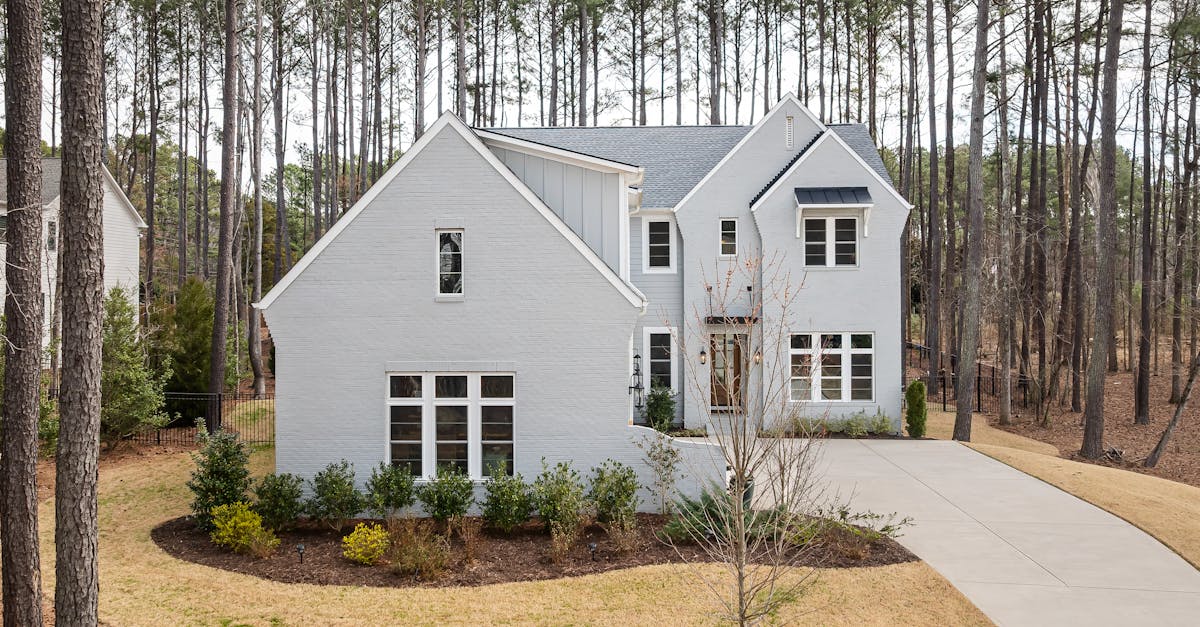
Leasehold and freehold are fundamentally different ways of owning property in England and Wales. Understanding the difference before you buy can save you tens of thousands of pounds over the life of your ownership — and prevent a costly mistake later.
This guide explains what leasehold and freehold mean, how they affect your costs and control, and what questions to ask before you commit. We'll use real numbers and statutory references so you can make an informed decision.
What Is Leasehold vs Freehold?
Here's the core difference: when you buy a freehold property, you own both the building and the land it stands on, indefinitely. When you buy a leasehold property, you're buying the right to occupy the building for a fixed period — typically 99, 125, or 999 years — but not the land itself.
Freehold owners:
- Own the property outright (subject to mortgage, council tax, and planning rules)
- Are responsible for all repairs and maintenance
- Pay no ground rent or service charges
- Can extend or modify the building within planning rules
- Pass the property to heirs with the same rights
Leasehold owners:
- Rent the right to live in the property from the freeholder (usually a property company or individual)
- Pay ground rent to the freeholder annually (anywhere from £0 to hundreds per year)
- Pay service charges to cover shared building upkeep (lifts, corridors, roof repairs, building insurance)
- Must not damage the building or breach lease terms
- Can't stay indefinitely — once the lease drops below 80 years, resale becomes much harder and more expensive
- Have statutory rights to extend the lease or buy the freehold under UK law
The legal structure is the same across England and Wales, but leasehold is most common in flats and newer apartment blocks. Older terraced houses and detached properties are usually freehold. The good news is, by the time you finish reading this, you'll know exactly what questions to ask your conveyancer before you make an offer.
The Annual Costs: Ground Rent and Service Charges
A leasehold property's true monthly cost includes your mortgage payment plus two other regular bills that don't exist on freeholds.
Ground rent is paid to the freeholder. This is usually a fixed sum, but some older leases have escalation clauses (doubling every 10–20 years). As of 2026, ground rent on newer leases is typically £0–£500/year, though older leases or prime London properties can be much higher. If you're considering a property with ground rent above £250/year, factor that into your affordability calculation.
Service charges are the bigger cost. They vary wildly by building age, condition, and location, typically ranging from £1,200–£6,000 per year (£100–£500/month), covering:
- Building insurance
- Lift maintenance and repair
- Communal area cleaning and lighting
- Roof and structural repairs
- Reserve funds for major works (window replacement, concrete repairs, rewiring)
Service charges are notoriously opaque — some buildings charge £150/month, others £400 for similar properties nearby. Always ask for 3 years of service charge history and speak to existing residents about whether they've spiked unexpectedly. A building that's spending heavily on major works this year will have higher charges than normal.
Example: A £250,000 flat in a purpose-built block might have £150 ground rent per year (£12.50/month) plus £2,400 service charges annually (£200/month). If you take a 25-year mortgage at 4.5%, your total monthly outgoing is mortgage payment plus £212.50. A freehold house of the same value has no ground rent or service charges, but you pay for all repairs yourself. When you use our mortgage calculator, don't forget to add these leasehold-specific expenses to your monthly budget.
The Lease Length Problem: The Silent Killer
As your lease gets shorter, the property becomes harder to mortgage, harder to sell, and increasingly expensive to hold.
Mortgages become restricted. Most lenders won't lend on leases with fewer than 80–85 years remaining at the end of the mortgage term. If you're buying a 75-year lease on a 25-year mortgage, the lease will have only 50 years left when you finish paying — many lenders will decline it outright.
Resale slows dramatically. A property with 70 years left on the lease is worth significantly less than one with 120 years. Buyers and their surveyors worry about future extension costs. You'll get lower offers, and properties can sit on the market for months.
Lease extension costs escalate sharply. The closer you get to 80 years, the more expensive it becomes to extend. You have statutory rights to extend under the Leasehold Reform, Housing and Urban Development Act 1993, but the freeholder can demand premium fees based on property value and ground rent.
A lease dropping from 85 to 80 years might cost £15,000–£30,000 to extend formally. The same drop from 65 to 60 years could cost £50,000+. If the property is worth £500,000, these costs are even higher.
Key rule of thumb: if a lease has fewer than 80 years remaining, deduct £500–£1,000 per year of lease length below 80 from the asking price. A 60-year lease might be worth £15,000–£20,000 less than a 100-year lease on the same building.
Before you apply for a mortgage pre-approval, check the lease length. If it's under 90 years, ask your surveyor about extension costs and factor them into your affordability decision. Many buyers discover too late that they can't afford both the mortgage and the lease extension.
Your Rights: Extending, Enfranchisement, and Statutory Protection
UK law gives leaseholders significant statutory rights — but you must know how to exercise them.
The right to extend your lease: If you've owned the property for at least 2 years, you can ask the freeholder to extend the lease by 90 years at no premium — you'll only pay the freeholder's legal costs (usually £100–£300). After extension, you start with ~190 years again, making the property mortgageable and saleable for decades. Many leaseholders extend immediately after purchase for this reason.
Collective enfranchisement (buying the freehold): If you own a flat in a building with multiple leaseholders, you can collectively buy the freehold. You need at least 50% of leaseholders to participate. The cost is usually 2–4x the annual ground rent and service charges combined, plus legal fees. For a flat with £100 ground rent and £2,400 service charges (£2,500/year total), collective enfranchisement might cost £10,000–£15,000 plus solicitor fees. It's often worth it because you then own the freehold outright and can control service charges.
Statutory protection on service charges: Freeholders must provide itemized service charge accounts annually. You can dispute unreasonable charges through a First Tier Tribunal. This protects you from surprise £5,000 bills for "major works" without notice. But the process takes time and legal fees — the best protection is buying in a building with a stable, transparent freeholder.
Avoid long chains of leasehold: In rare cases, a freeholder doesn't own the freehold outright — they're a leaseholder too (called "superior leasehold" or "intermediate leasehold"). This creates complications and additional costs. Your conveyancer will spot this, but always ask who the freeholder is and whether they own the freehold or lease it.
Full details on your statutory rights at gov.uk.
Leasehold vs Freehold: How Mortgages Differ
When you apply for a mortgage, lenders treat leasehold and freehold properties differently.
Lease length is a hard lending criterion. Most lenders won't lend on leases with fewer than 80–85 years remaining at the end of the mortgage term. A 15-year mortgage on a 95-year lease is fine. A 25-year mortgage on a 75-year lease will be rejected by most lenders.
Service charges get factored into affordability. When you apply, lenders include service charges (and ground rent) in your debt-to-income calculation. If you can only afford £1,500/month in housing, and service charges are £250/month, your actual mortgage budget is £1,250, not £1,500. Check how much deposit you need and account for these ongoing costs.
Freeholds rate slightly better. All else equal, a freehold property gets a marginally better rate than a leasehold — typically 0.05–0.15% lower — because there's no lease-length risk or service-charge uncertainty. On a £250,000 mortgage, that's £10–30/month over 5 years.
Credit score and affordability. Your mortgage eligibility depends on credit score, income, and the property's condition. Find out what credit score you need and [understand the full cost of buying a home, including solicitor fees and valuations, which apply to both freeholds and leaseholds.
Red Flags When Buying Leasehold
Before you commit, watch for these warning signs:
- Lease under 80 years — resale and remortgage become difficult; extension costs spike
- Ground rent escalation clauses — old leases sometimes double ground rent every 10–20 years; you could pay £1,000+/year eventually
- Leaseholder disputes or tribunal cases — ask the freeholder or your solicitor if there are active service charge disputes
- Vague or uncapped service charges — the lease should state exactly how charges are calculated; "reasonable costs as determined by the freeholder" is dangerously vague
- Freeholder in financial trouble — if the freeholder goes bust, leaseholders can face sudden repair bills; a stable freeholder (institutional property company, council) is safer than a private individual
- No right to extend or very expensive enfranchisement terms — some very old leases limit your statutory rights; your solicitor will flag this
Always hire a conveyancer or solicitor to review the lease before you make an offer. The small cost (£800–£1,500) is cheap insurance against inheriting a property with hidden costs or restrictions that could cost tens of thousands later.
Frequently Asked Questions
Q: Can I get a mortgage on a leasehold with less than 80 years remaining?
A: Probably not from a mainstream lender. Some specialist lenders (particularly those focused on lease extensions) will lend if you're planning to extend soon. But your options shrink dramatically below 80 years. If the lease is under 75 years, most lenders will decline. Always check with your lender before you make an offer.
Q: What's a realistic lease extension cost?
A: If your lease is 85+ years, extensions are typically cheap — a few hundred pounds for a 90-year extension. Once you drop below 80 years, costs escalate sharply. At 70 years, expect £15,000–£40,000. At 60 years, £40,000–£80,000+. The exact amount depends on the property value, ground rent, and building age. Always get a surveyor's estimate before you buy.
Q: Am I stuck paying whatever service charges the freeholder demands?
A: No. You have statutory protections. Freeholders must provide itemized accounts and justify charges. You can dispute unreasonable charges through a tribunal. But the process takes time and legal fees. The best protection is buying in a building with a stable, transparent freeholder and checking 3 years of historical charges before you commit.
Q: Should I buy freehold or leasehold?
A: Freehold is generally preferable — you own the property outright, have no service charges or ground rent (usually), and avoid lease-extension hassles. But freehold properties often cost more upfront. Leasehold is common in urban apartment blocks where freehold isn't an option. If you're comparing two properties and one is leasehold with a short lease, check extension costs and include those in your affordability calculation.
Q: Can I buy the freehold myself?
A: Only if you're the sole leaseholder of the building or if multiple leaseholders collectively enfranchise (which requires 50%+ participation). Most flat buyers can't buy the freehold alone — you'd need to organize other leaseholders, which is difficult and expensive.
Q: What happens to my ground rent and service charges when I sell?
A: The buyer becomes responsible for both when they buy. Ground rent and service charge responsibility transfer automatically via the Land Registry. You'll need to provide proof that charges are paid up to date when you sell; arrears are a major problem for buyers and can kill a sale.
Q: Are there any leaseholds I should avoid completely?
A: Yes — leases under 75 years, properties with escalating ground rent (especially if doubling every 10 years), buildings with chronic service-charge disputes, and leases with restrictive covenants that limit your use (e.g., "no pets", "no subletting"). Your conveyancer will flag these, but ask upfront.
Q: How do I check if a lease is too short before I make an offer?
A: Ask the seller for the lease term upfront. If it's under 90 years, ask your surveyor for a lease extension cost estimate. Run this through your mortgage broker or lender to confirm they'll still lend on it after extension. Don't fall in love with a property before you've confirmed the finance works.
Next Steps
Understanding leasehold and freehold is essential before you make an offer. If you're buying for the first time, read our first-time buyer mortgage guide to see how lease length affects your mortgage application and costs.
Before you apply for a mortgage, use our mortgage calculator to see how ground rent and service charges affect your monthly budget. And if you find a leasehold property with a short lease, talk to your lender early — don't wait until you've fallen in love with it to discover they won't lend.
Finally, always hire a conveyancer or solicitor to review the lease. The small cost is cheap insurance against a costly mistake.