Green Mortgages: Get a Better Rate for an Energy-Efficient Home
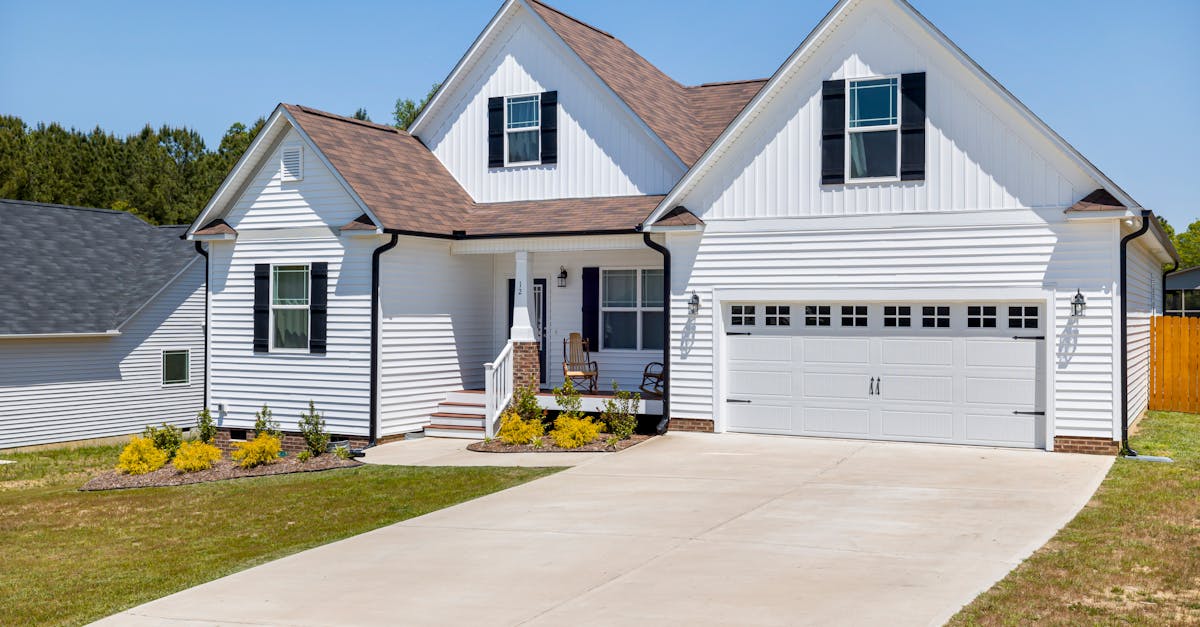
If you're buying an energy-efficient home, green mortgages can get you a better rate — sometimes 0.3–0.5% lower than a standard mortgage. Lenders increasingly reward energy-efficient properties with lower interest rates, because homes with high EPC ratings (A or B) are considered lower-risk investments and align with stricter building standards coming down the pipeline. This guide explains what green mortgages are, how EPC ratings affect your borrowing costs, and how much you could save.
What Is a Green Mortgage and How Does It Work?
A green mortgage is a standard mortgage where the lender offers a rate discount based on the property's energy efficiency rating. Instead of pricing the mortgage solely on your loan-to-value (LTV), income, and credit, the lender also considers the property's EPC rating.
The EPC (Energy Performance Certificate) rates homes from A (most efficient) to G (least efficient). Lenders see this as a proxy for financial risk: an energy-efficient home costs less to heat and run, meaning you're more likely to afford your mortgage payments even if living costs rise. They're also betting on future policy — the UK government is gradually tightening building standards, so efficient homes will hold or gain value in years to come.
Here's how it translates to rates:
- EPC band A–B: Rate discount of 0.3–0.5% (sometimes more)
- EPC band C–D: Small discount or no discount (market-dependent)
- EPC band E–G: No discount, or potentially a small rate premium
On a £250,000 mortgage over 25 years, that gap is significant:
- At 4.5% (EPC G property): £1,260/month
- At 4.0% (EPC A–B property): £1,163/month
- Monthly saving: £97, or £1,164 per year
That's the kind of advantage green mortgages deliver. And if you're already planning energy improvements, the discount becomes even more appealing.
How EPC Ratings Affect Your Borrowing Costs
Your EPC rating depends on your home's:
- Insulation (walls, roof, loft)
- Boiler efficiency (gas, heat pump, or biomass)
- Windows (single, double, or triple-glazed)
- Renewable energy (solar panels, wind, heat recovery)
- Age and type (Victorian terrace, 1970s semi, modern detached, flat)
A certified energy assessor assigns the rating when you list the property to sell. The certificate is valid for 10 years, so if a home has been on the market or rented for a while, the EPC might not reflect recent upgrades.
When you apply for a mortgage, lenders check the registered EPC — though the relationship between rating and rate isn't universal. Some banks and building societies are aggressive on green mortgages (especially those with environmental targets), while others barely factor in EPC. This is why comparing at least 5 lenders, or using a whole-of-market broker, is crucial.
If you're aware the EPC is outdated because the seller recently installed a heat pump or new windows, you can request a new assessment. It costs £200–£400 but might unlock a better rate — on a £250,000 mortgage, a 0.4% discount is worth roughly £1,000 per year, so the assessment pays for itself in weeks.
Real Scenario: Two Identical Properties, Different EPC Ratings
Imagine you're looking at two identical houses in the same area, both priced at £350,000. You have a 25% deposit (£87,500) and can borrow £262,500.
Property A: EPC Band B (recently renovated)
- Seller replaced the boiler 3 years ago (condensing gas boiler, 92% efficient)
- Double-glazed windows throughout
- 50mm loft insulation
- Mortgage offer: 4.8% fixed 5 years
- Monthly payment: £1,563
Property B: EPC Band E (not modernised)
- Original boiler from 1995, 78% efficient
- Single-glazed windows in bedrooms
- Minimal attic insulation
- Mortgage offer: 5.2% fixed 5 years
- Monthly payment: £1,626
The difference: £63 per month, or £3,780 over the 5-year term.
Now, if you renovated Property B to match Property A, you'd spend £15,000–£25,000 on a new boiler, windows, and insulation. But buying an already-efficient property effectively lets you skip that cost and get the same comfort levels immediately, while enjoying lower monthly payments. (The bonus: energy bills are lower too, and you avoid the renovation hassle — though the improvements do add value, just not overnight.)
How to Compare Green Mortgages: Beyond the Headline Rate
The headline interest rate is only part of the picture. Use our mortgage calculator to input your actual numbers and see monthly payments. But when comparing lenders, also check:
- Arrangement fee — does the green rate come with a higher upfront charge to offset the lower interest?
- Early repayment charges (ERCs) — can you overpay penalty-free or remortgage if rates drop?
- Product availability — some lenders only offer green discounts on 5-year fixes, not 2-year or 10-year terms.
- Rate type — some green discounts apply to fixed rates only; others to tracker mortgages too.
Once you've shortlisted 3–4 mortgage offers, compare the all-in cost, not just the rate. A 0.4% lower rate with a £1,500 arrangement fee might cost more over 2 years than a 0.2% lower rate with a £300 fee on smaller mortgages. Our mortgage calculator helps you model this.
The Broader Mortgage Picture: LTV, Fixed vs. Variable, and Term
Green mortgages don't replace the traditional mortgage factors — they layer on top of them. You'll still need to understand:
Loan-to-value (LTV): Your LTV (the percentage you're borrowing) is the single biggest driver of your mortgage rate. A 60% LTV (40% deposit) gets rates 0.5–1.5% lower than a 90% LTV. The green discount is applied on top, so an EPC A property at 60% LTV gets better rates than an EPC A property at 90% LTV. See our LTV ratio guide for more detail.
Fixed vs. variable: Green mortgages are available as both fixed and variable. Fixed rates lock your payment in, protecting you from Bank of England base rate rises — a major factor in UK mortgages. Variable rates are cheaper upfront but fluctuate with the market. Your EPC rating doesn't change which type is better for you; it just affects the rates available.
Term and repayment: Whether you choose a 20-year, 25-year, or 30+ year mortgage, the green discount applies the same way. Shorter terms cost more per month but less in total interest. Longer terms ease monthly cash flow but cost more overall.
Combine these factors thoughtfully. An EPC A property at 75% LTV on a 5-year fixed is a strong borrower profile; an EPC A property at 95% LTV is still better than EPC G at the same LTV, but you're taking on more risk, and rates reflect that.
The Hidden Costs That Matter as Much as the Interest Rate
Green mortgages lower your headline rate, but they don't reduce the other costs of buying:
- Arrangement fees: £500–£2,000 depending on lender and loan size
- Valuation and survey: £250–£600. A proper homebuyer report (£400–£600) can reveal issues that save you thousands later
- Conveyancing and legal fees: £800–£1,500 plus disbursements (Land Registry, searches, etc.)
- Stamp Duty: First-time buyers pay nothing on properties up to £425,000. Everyone else pays 0–12% depending on property price (it's banded, not a flat percentage)
- Buildings insurance: Required by lenders, typically £200–£400/year depending on property type, age, and location
- Life insurance: Not required by lenders but recommended if you have dependents — mortgage protection insurance is cheap (£30–£80/month for most people)
These fixed costs don't change based on EPC rating. But when budgeting for your purchase, don't forget them — they add £3,000–£5,000 to your upfront cost and affect how much you can afford to borrow.
Frequently Asked Questions
Q: Can I get a green mortgage discount on a property with an older EPC certificate?
If the EPC is outdated (e.g., the seller installed a new boiler or windows after the certificate was issued), request a new one before applying for the mortgage. It costs £200–£400, but a better EPC band could unlock a 0.3–0.5% rate discount, saving thousands. On a £250,000 mortgage, a 0.4% difference is worth roughly £1,000/year, so a new EPC pays for itself in months.
Q: How much does it cost to improve a property's EPC rating?
It depends on what's needed:
- New boiler (gas to condensing or heat pump): £3,000–£8,000
- Double-glazing (full replacement): £4,000–£12,000
- Loft insulation (full): £500–£1,500
- Cavity wall insulation: £1,500–£3,000
On a £350,000 property, going from EPC E to B might cost £12,000–£20,000. The mortgage rate savings (0.3–0.4%) amount to £1,050–£1,400/year, so you'd break even in 10–15 years, plus energy bill savings and increased resale value. But buying an already-efficient property at the same price avoids the renovation hassle entirely.
Q: Will an EPC rating change how much I can borrow or affect my LTV ratio?
No. Your maximum loan amount is based on income (typically 4.5x salary) and deposit, not energy efficiency. But a better EPC rating means you'll get a lower rate within the amount you can borrow, so your monthly payment drops without changing the total you can access.
Q: Are green mortgages only from ethical or ESG-focused lenders?
No. Most major UK lenders now offer green mortgage discounts — not because they're all committed environmentalists, but because energy-efficient homes are lower-risk (cheaper to maintain, hold value better, and align with future building regulations). Even traditional lenders like Nationwide and major banks have launched green products.
Q: Can I switch a standard mortgage to a green mortgage to get a better rate?
No, not mid-term. Your rate was locked in at the start of your fix period. But when your fix ends and you compare options for your next deal, you'll qualify for green rates if your property's EPC is now better (because you improved it, or because a new lender offers better green terms than your current one). Improving your home's energy efficiency is a good long-term investment for exactly this reason.
Q: Do green mortgages have special features like offset mortgages, or is it just a lower rate?
Most green discounts apply to the interest rate, not product type. You can get an energy-efficient property on a fixed rate, a tracker rate, or (rarely) an offset mortgage. The green discount layers onto whatever product you choose, so rates are simply lower.
Q: What if I'm buying jointly with a partner — does EPC rating still matter?
Yes. On a joint mortgage, the property's EPC rating applies regardless of how many people are borrowing. If one of you is a first-time buyer, you might also benefit from first-time-buyer stamp duty relief (up to £425,000), which is separate from green discounts but often applies to the same efficient properties.
Next Steps: Calculate Your Green Mortgage Savings
The best way to see how an EPC rating affects your bottom line is to use our mortgage calculator. Compare two scenarios: one for an EPC B property and one for an EPC E property, keeping deposit and loan amount the same. You'll see the exact monthly payment difference and how much you save over the full term.
Energy efficiency matters because it reduces risk and cost — both for you (lower bills, better resale value) and for lenders (more reliable borrowers, future-proof assets). When you're comparing properties or mortgage offers, don't let the headline rate distract you from the EPC. A few percentage points on a band can save thousands over 25 years.