Winter Fitness: Maintaining Your Routine When It Is Cold
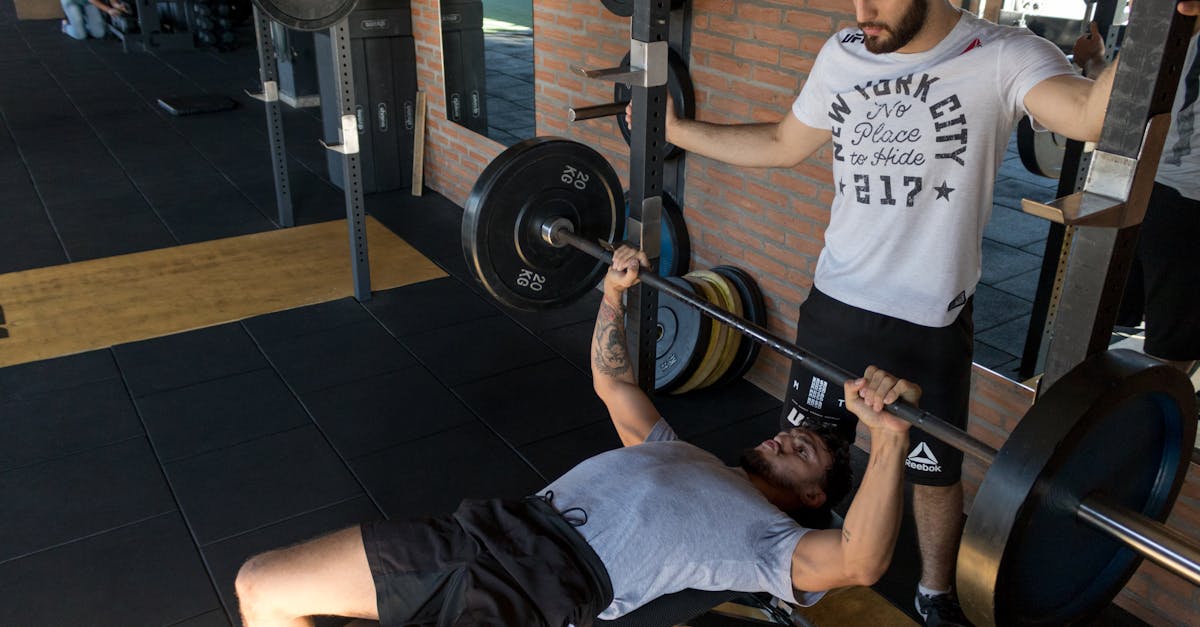
Winter fitness is hard. The darkness creeps in at 4pm, the temperature drops, and suddenly that morning jog or evening gym session feels less appealing than staying under the duvet. You're not lazy — you're just dealing with seasonal resistance. The good news: your routine doesn't have to collapse in the cold. With a few tactical shifts, you can maintain your fitness through the dark months without freezing, losing motivation, or spending £500 on equipment you'll use once.
This guide walks you through practical strategies to keep moving when winter makes it harder.
Why Winter Breaks Fitness Routines
Cold weather doesn't just feel bad — it physically makes exercise harder. When ambient temperature drops, your body burns more calories just to maintain core temperature (thermogenesis). That sounds good until you realise it also makes exercise feel more difficult: your muscles don't warm up as quickly, your grip strength drops, and cardiovascular exertion feels more extreme.
Add to this the psychological factors. Daylight hours shrink to 8 hours or less. Motivation dips (seasonal affective disorder affects a meaningful slice of the UK population during winter). Decision fatigue peaks — you've got maybe 30 minutes free, and that 15-minute commute to the gym suddenly feels like a non-starter.
The result: most people drop 1–3 workouts per week between December and February compared to summer. Momentum evaporates. By mid-January, restarting feels like beginning again.
The fix isn't willpower — it's removing friction and adapting your routine to winter, not fighting it.
Dress Right, Then Go Outside
The myth: "there's no such thing as bad weather, only bad clothing." The reality: correct winter workout gear makes a 10°C difference to how the experience feels.
What actually works:
- Layer system, not bulk. Thin base layer (synthetic or merino, not cotton), insulating mid-layer, wind-resistant outer. You should feel slightly cold when standing still, because you'll warm up fast.
- Hands and feet. Gloves and thermal socks matter more than a fancy jacket. Cold hands kill motivation immediately.
- Face protection. A buff or balaclava for runs below 0°C (cold air constricts airways; protection helps you breathe easier).
- Visibility. Reflective vest or jacket — dark mornings mean poor visibility both ways.
Budget: you don't need branded gear. Decathlon and Uniqlo thermal ranges work fine. Total spend: £40–80 for a functional kit. That's cheaper than three months of gym membership.
Indoor Alternatives — And Why You Should Use Them
"Outside is better" is true for mental health and variety, but consistency beats perfect conditions. Two 30-minute indoor sessions beat one cancelled outdoor session.
What works indoors:
- Home bodyweight circuits: 20–30 minutes, no equipment. Burpees, press-ups, lunges, planks. Do 40 seconds work, 20 seconds rest, 5–6 exercises. Three rounds. Done.
- YouTube fitness channels: Search "30 minute HIIT" or "strength training no equipment." The NHS Every Mind Matters library includes free guided movement sessions.
- Resistance bands: £15–30, take up no space. Offer 80% of what dumbbells do for home strength work.
- Stationary cycling or rowing: If budget allows, a basic exercise bike (£100–200) pays for itself in a month versus gym membership.
- Stair climbing: If you've got stairs, you've got a cardio machine.
The psychological trick: schedule indoor sessions as your winter routine, not as backup when weather cancels plans. "Mondays and Thursdays are home sessions" removes the daily negotiation of "go outside or stay in?"
This also sets you up for New Year Health Reset: Setting Realistic Fitness Goals, where you'll likely commit to a broader fitness plan after the holidays.
Scheduling and Habit Stacking
Winter cuts daylight severely. That compresses your window for outdoor activity and makes "whenever I feel like it" impossible.
Instead, treat workouts like appointments. Specifically:
- Time-block your session (e.g., Tuesday/Thursday 18:30–19:00, Sunday morning 08:00–09:00)
- Habit-stack to something you already do. E.g., "right after my morning coffee" or "before I check email"
- Prep the night before. Lay out clothes, charge your music device, set your room temperature.
Decision fatigue is real, and winter reduces available mental energy. Remove the daily choice by making it a standing habit.
Tracking Progress (Without Obsessing)
When motivation dips, visible progress becomes your fuel. But winter also makes progress look worse — water retention, lower activity, less sunshine — so you need to measure the right things.
Track:
- Workouts completed (calendar tally). Target: 80% of planned sessions, which accounts for genuine illness.
- How you feel during workouts (energy, strength, speed). Write one-sentence notes: "felt strong," "sluggish but finished," "grip was weak."
- Monthly body metrics (weight, body fat, or waist measurement). Check once per month, not daily. Weekly averages are more useful than daily numbers.
If body composition matters to you, Body Fat Percentage: What the Numbers Mean for Your Health walks through how to assess progress beyond scale weight. Understanding Understanding Basal Metabolic Rate and Why It Matters explains how activity level drives your baseline calorie burn — monitoring this gives you confidence that winter inactivity isn't permanent. For detailed tracking, How to Calculate Your Body Fat Without Calipers covers practical measurement methods.
Adapting Intensity and Volume
Winter often means lower activity overall — fewer outdoor sessions, maybe a shift to shorter workouts. That's okay if you're honest about it.
The trap: trying to maintain summer intensity with winter consistency. You'll burn out.
Instead:
- Shift to strength work. Easier to do indoors, recovers faster than high-volume cardio, and improves body composition even without outdoor running. Understanding Muscle-to-Fat Ratio for Health explains why maintaining strength is more important than chasing a scale weight.
- Drop total volume by 10–20%. If you normally do 5 sessions per week, 4 is fine in winter. Quality over quantity.
- Maintain frequency, shorten sessions. Three 30-minute sessions are easier to stick to than two 60-minute sessions.
- One "anchor" workout per week. The hardest or longest session. The other 2–3 are lighter. This keeps you strong without overdoing fatigue.
Motivation Hacks
Motivation isn't a feeling — it's a structure. Build these in:
Find an accountability partner. Text a friend "gym at 18:30 today?" Makes it social and harder to cancel.
Sign up for something. A January 5K run, a spring hiking trip, or a summer holiday where you want to feel strong. "Training for X" is infinitely more motivating than "exercise is healthy."
Use your metrics. When you're tired of running in the rain, remember that last week you recorded a 10% improvement in push-up reps. Numbers are motivating.
Celebrate small wins. Completed a winter session in the rain? That's better than a fair-weather gym session. Own it.
Frequently Asked Questions
Q: Will I lose muscle in winter if I exercise less? A: Muscle loss happens when you combine low activity with poor nutrition. If you're still strength training 2–3x per week and eating adequate protein, you'll maintain muscle even if cardio volume drops. The key is resistance work, not total volume.
Q: Is it actually easier to gain weight in winter? A: Your baseline calorie burn (resting metabolic rate) barely changes with season — maybe 50–100 calories per day in extreme cold. Weight gain happens because you move less and eat more (social eating, comfort foods, shorter daylight = fewer cues to be active). It's activity and diet, not metabolism. Does Drinking Cold Water Boost Your Metabolism? explores the cold-metabolism connection — spoiler: the effect is tiny, but the post explains why cold training can have real benefits.
Q: How long does it take to get back to my summer fitness level? A: If you maintain workouts through winter, 2–4 weeks. If you stop completely, 6–8 weeks (your cardiovascular fitness returns faster than strength). This is why "maintain, don't improve" is a solid winter strategy — the gains you keep matter more than the gains you'd chase.
Q: Should I do extra workouts to "offset" winter weight gain? A: No. Burning 500 extra calories per workout to offset comfort eating is exhausting and unsustainable. Instead, keep your eating roughly stable and your activity consistent. That's the win.
Q: What's the best winter sport if I hate the gym? A: Swimming (heated pool), climbing wall, badminton, or indoor sports. Pick something that feels like fun, not punishment. Back-to-School Fitness: Getting Kids Active Again covers family-friendly activities — the same principles apply to adult group fitness.
Q: How does cold affect performance (running speed, lifting strength)? A: Cold slightly reduces muscular power (about 5–10% in extreme cold) because muscles contract less efficiently. Your warm-up needs to be longer — 10–15 minutes instead of 5. This isn't a barrier; it's just the protocol.
Q: Is body composition important for winter fitness? A: Not as a measure of success. Strength and consistency matter way more than hitting a specific body-fat percentage. If winter fitness means you're active and strong, body composition will follow in spring.
Q: Can cold weather actually injure me during exercise? A: Frostbite and hypothermia are real in extreme conditions (below –15°C with high wind), but they're rare in typical UK winters. More common: muscle strains (from working less efficiently in cold) and asthma-like symptoms in people with cold sensitivity. Proper layering and a longer warm-up fix most of this. The NHS guidance on cold weather activities covers the full picture.