Wedding Countdown: Planning by Days Remaining
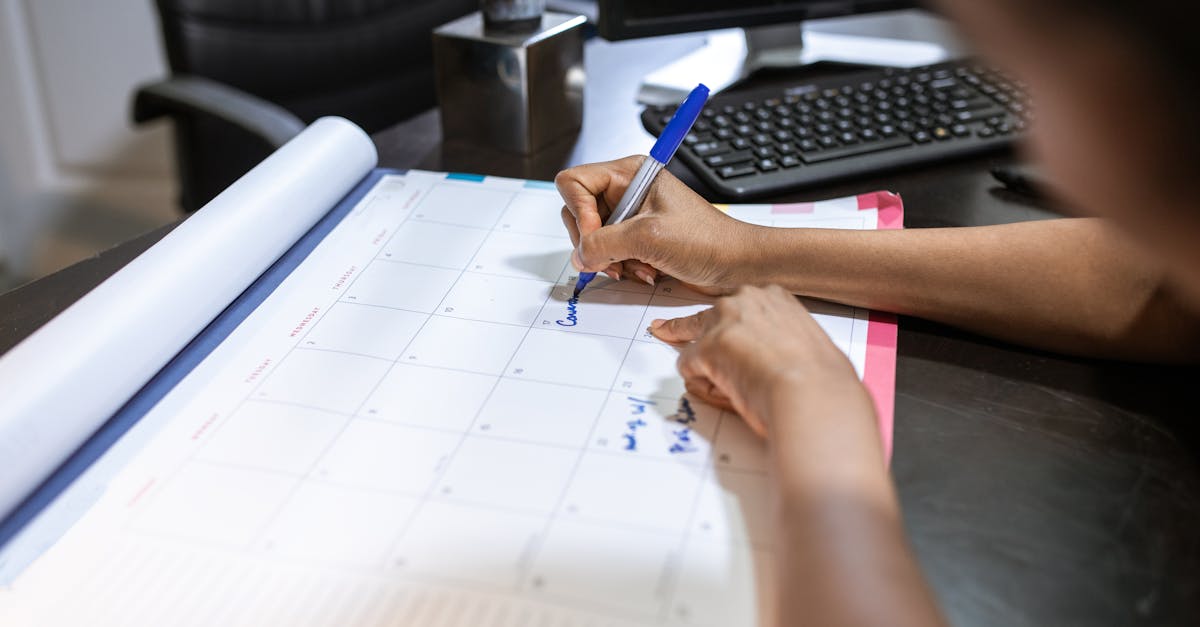
Your wedding countdown starts the moment you say yes—or pick a date, which for many couples comes first. If you've got 12 months, 6 months, or even just 6 weeks until your wedding day, knowing exactly how many days remain and what milestones you should hit at each stage takes the panic out of planning. This guide maps out wedding countdown planning timelines, vendor deadlines, and the practical math behind getting everything done without the chaos and last-minute rush fees.
Wedding Timeline by Months Remaining
Your wedding doesn't have a single deadline—it has dozens of them, stacked backwards from your big day. The clearest way to stay on top is to think in "months remaining" rather than "today's date."
12 months out: Book your venue. This is the one non-negotiable task. Popular venues for summer and autumn weddings are booked 12–18 months in advance. Most venues hold your date with a deposit (typically 10–20% of the total hire fee) and a signed contract. Once booked, everything else cascades from this date. You're also starting photographer and videographer searches—good ones have waiting lists.
9 months out: Book your photographer, videographer, caterer, and florist. By now your guest list is roughly sorted (you'll refine it), so you can give caterers and venues a preliminary headcount. This also matters for UK bank holidays—if your wedding is near Easter, May Day, or the August bank holiday, venue and supplier availability shrinks and prices spike.
6 months out: Invitations go out. Create a deadline for RSVPs (usually 4 weeks before the wedding). This is when you finalize stationery, confirm catering choices, and book accommodation blocks for guests travelling from abroad. Your DJ or band should be booked by now.
3 months out: Final headcount to caterer, menu selections confirmed, order wedding cake, finalize seating plan. This is crunch point for non-essential decisions (favours, table decorations, welcome drinks). Bridesmaids and groomsmen should order their outfits now.
6 weeks out: Final fitting for your dress and the groom's outfit. Confirm all vendor arrival times and contact details with a shared spreadsheet. Order any remaining stationery (place cards, menu cards, thank-you cards).
2–3 weeks out: Hair and makeup trial run. Confirm final numbers with all vendors. This is when you'll spot any gaps (you'll have forgotten the photographer's breakfast order, or that cousin who confirmed isn't arriving till 5pm).
1 week out: Run-of-show walkthrough with your venue coordinator. Confirm timings for the ceremony, photos, cocktail hour, dinner, dancing, farewell. Create a timeline document and share with your partner, parents, and wedding party.
Day before: Pack an overnight bag with emergency items (stain remover, safety pins, phone chargers, paracetamol, plasters). Final check-in with all vendors.
Use our countdown tool to map these stages against your actual wedding date. If your wedding is on 15 June 2027, you can see exactly how many days remain for each milestone—and which fall near school holidays or UK bank holidays that might affect supplier availability.
Working Backwards From Your Wedding Date
The reason wedding planning feels chaotic is that most couples don't work backwards—they work forwards from "today" and hope things align. Professional event planners work backwards.
Here's the principle: take your wedding date and subtract the lead time for each decision.
Catering: 3–4 weeks' notice is the absolute minimum. Most caterers want 6–8 weeks notice for menu selections and final headcount. That means your final guest count needs to be locked in 8 weeks before the wedding.
Photographer: 3–6 months' lead time for booking. Once booked, they need the schedule and a final timeline 2 weeks before.
Florist: 2–4 weeks' notice for flower orders, but if you need flowers for the bridal party or decorations, book 6–8 weeks out. Seasonal flowers have less lead time; out-of-season blooms (white roses in December, cherry blossom in June) need more.
Invitations: Allow 2 weeks for design, 1–2 weeks for printing, 1 week to address and post. That's 4–5 weeks before your RSVP deadline. If your wedding is June 15, and you want RSVPs by May 15 (4 weeks before), invitations should go out by mid-April.
Dress and suits: 4–6 months for ordering, 6–8 weeks for alterations. If your wedding is June 15, order dresses by December 15 at the latest.
Cake: 4–6 weeks' notice for custom designs, though simple sheet cakes can be ordered 1–2 weeks prior.
Rehearsal dinner: 2–4 weeks' notice if you're using the same caterer; otherwise book the venue 2–3 months out.
Use how to add or subtract days from a date to calculate backwards from each milestone. Add a 1-week buffer to your own deadline to catch mistakes.
Key Dates That Override Everything Else
Not all days are equal. Some dates create bottlenecks or cost premiums:
School holidays — summer, half-terms, Easter, Christmas. Venues, hotels, and holiday cottages for guests are pricier and book earlier. If guests are travelling with children, school holidays matter. A June wedding during half-term is more convenient but costs 20–30% more.
UK bank holidays — Easter, May Day, August bank holiday, Christmas period. Venue costs spike, suppliers are booked weeks earlier, and guests may need extra time off. Check the UK bank holidays calendar 2026–2027 when you pick your wedding date. A wedding on the August bank holiday Monday means some guests will take Friday–Monday off and is gold for out-of-town guests, but everything's booked.
Weather patterns — not a "date" but relevant to your decision. Marquee weddings are popular April–October. Winter weddings (December–February) need heated venues and cost more but have fewer competing celebrations.
Partner's and key family members' work schedules — if your dad's busiest season is lambing (February–April for sheep farmers) or harvest (August–September for arable farmers), pick a date around it.
Competing events in your community — local festivals, major sports events, large corporate conferences. A wedding on the same weekend as a huge local festival is chaos for catering and photography.
Managing the Final Countdown
The last 6 weeks are the hardest. Everything's booked, decisions are made, and now it's just... waiting. And checking. And triple-checking.
1 month before: Create a wedding day timeline. Hour by hour. 10am guest arrival, 10:30 ceremony start, 11:15 ceremony end, 11:30–1pm photos, 1:15pm welcome drink and canapés, 2pm seated lunch, 3:30pm dessert and speeches, 4pm cutting of cake, 4:30pm first dance, 5pm evening reception opens, 11:30pm last dance, midnight carriages/taxis.
Build in 15-minute buffers. Photography always runs over. The caterer will need 5 minutes longer to set dessert than they promised. Use our countdown tool to mark these milestones and share with your venue coordinator.
2 weeks before: Confirm attendance figures with all vendors. Check the weather forecast (it's wrong, but it's useful to get a sense of what to prepare for). Do a hair and makeup trial. Assign a trusted friend or family member as "day-of coordinator" if you're not hiring a planner—someone to handle vendor logistics, keep timings, troubleshoot, and let you actually enjoy the day.
1 week before: Final walkthrough with the venue. Bring your timeline and go through it step-by-step. Where will the photographer's gear station be? Where do speeches happen? Where's the bathroom for last-minute make-up touch-ups? What's the weather backup plan?
Day before: Check that your outfit, shoes, and any accessories are ready. Put your phone on charge overnight (it will die on the day). Set two alarms for the morning. Eat properly and try to sleep, even though you won't actually sleep.
Wedding day: Everything you've planned for is about to happen. Keep a small emergency kit: stain remover, plasters, paracetamol, hair pins, double-sided tape, and something you find funny (a photo on your phone, a joke from a mate). You will not remember any of the timeline once the day starts, which is fine—your day-of coordinator and venue team will remember.
Common Wedding Planning Bottlenecks and How to Avoid Them
Bottleneck: Conflicting vendor timings. The photographer wants 2 hours before the ceremony for pre-ceremony shots, but the venue won't let staff in until 1 hour before. The florist needs the same time to decorate. All of these clash, and nobody told you.
Solution: Create a master timeline 4 weeks before the wedding. List every vendor and their exact tasks and times. Share it with all of them. Ask each to confirm they can meet those timings. If they can't, you have 3 weeks to replan.
Bottleneck: Guest accommodation costs spiral. You're expecting 80 guests, you find hotel rooms for 60, and the remaining guests book expensive last-minute options or cancel.
Solution: Book accommodation blocks 4–5 months before. Most hotels give you a room block at a negotiated rate (usually 5–15% discount) if you commit to a minimum number of rooms. Release rooms 2 months before if guests haven't booked—your block doesn't expire unless specified in the contract.
Bottleneck: Budget creeps up significantly in the final 6 weeks. Flowers cost more, catering wants more for the headcount you've added, the photographer offers a "rush editing" fee, the videographer wants drone footage.
Solution: Lock a hard budget cap 4 months before. List every vendor and their cost. Accept no changes without removing something else. The best way to avoid overruns is to say no firmly to scope creep.
Bottleneck: Everyone wants decisions "by this Friday" and you're not ready. The caterer needs a headcount, the florist needs colour confirmations, the stationer wants to order...
Solution: Create a decision calendar 3 months before. Map out which decisions need to be made when (not "whenever you're ready"—actual dates). Share it with your partner. Treat it like a project deadline. If you slip, cascade the impact to everyone downstream.
Frequently Asked Questions
How far in advance should I book my venue? For popular venues during peak season (May–October), book 12–18 months ahead. Winter, spring, and summer weekday weddings can sometimes be booked 6–9 months out. The moment you have a date and budget in mind, start the venue search. Put down a deposit to secure the date; you can adjust all other details later.
What's the bare minimum lead time for a wedding? 6 weeks. You can book a registry office ceremony (2–4 weeks notice), a small venue, hire a caterer, and organize photographer coverage if you have 6 weeks and a phone. But expect limited vendor choices and higher costs due to availability. Most couples need 4–6 months minimum to feel comfortable.
How do I work backwards if I don't have a venue yet? Start with the date. Once you pick June 15, 2027, you can map all other deadlines from there. You don't need the venue booked to create a planning timeline. Search for venues and tell them the date; availability will inform your timeline further.
Should I hire a wedding planner? If your wedding is under £5,000, probably not—the cost won't justify it. If it's £10,000+, a partial planner (for logistics in the final 3 months) is worth it. They cost £500–£3,000 depending on scope, but they save you money in avoided vendor mistakes and last-minute complications. Even a friend as informal day-of coordinator helps enormously.
What happens if a vendor cancels last-minute? This is rare but happens (illness, bankruptcy, family emergency). Make sure every contract specifies what happens if they cancel and gives you time to find a replacement. At least 4 weeks' notice is standard. Have a backup florist, photographer, and caterer identified early, even if you don't hire them. If cancellation happens within 2 weeks, you have limited options, which is why contracts matter.
How do I keep guests informed about timings? Create a wedding day timeline and share it with your wedding party, parents, and key guests 1 week before. Include arrival time, ceremony start, photos, lunch time, dinner time, dancing, and farewell time. Print copies for tables. Post it on your wedding website (if you have one). Guests appreciate clarity.
Should I worry about the weather? Have a backup plan. If you're outdoors, know where you'll move to if it rains. Buy or borrow a large marquee, book an indoor space nearby, or schedule outdoor ceremonies during the traditionally drier months (May–September). Check the forecast 1 week before; it's your last chance to pivot decisions.
How many days before should I check in with all vendors? 2 weeks: final confirmation of numbers, arrival times, contact details. 1 week: brief call to confirm everyone's still coming. 1 day before: email to confirm next-day timing. Day-of: have your day-of coordinator do a 2-hour-before check-in by phone.
Using a Countdown Tool to Stay on Track
Every wedding needs a timeline. Ours countdown tool lets you set your wedding date and mark each milestone—invitations out, final RSVP date, final payment due, hair trial, ceremony time. You can also use how to calculate days between two dates to find exactly how many days remain between today and any milestone.
You might also find it helpful to track related countdowns: holiday countdown for your honeymoon planning, or how many days until Christmas 2026 if you're planning a festive winter wedding.
The psychology of countdowns is real: when you see "342 days until the wedding," planning feels abstract. When you see "342 days" broken into "invitations in 45 days, final numbers in 120 days, final meetings in 300 days," each step feels manageable.
Create your countdown today. Share it with your partner, your parents, and anyone else helping with planning. The couples who feel least stressed about weddings aren't the ones with perfect budgets or venue luck—they're the ones who planned backwards and stuck to the timeline. You've got this.