The Psychology of Spending: Why We Buy Things We Do Not Need
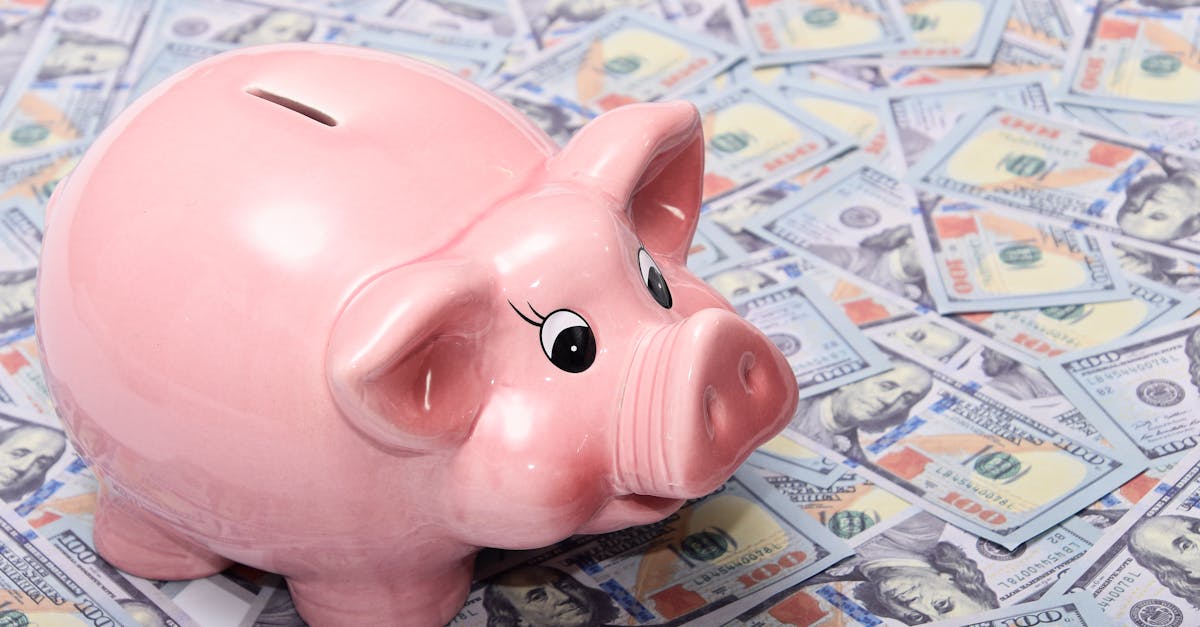
The psychology of spending is why we buy things we don't need — and understanding it is the first step to controlling those purchases. You're not weak-willed or bad with money. You're human. Your brain has evolved over 200,000 years to respond to immediate rewards, social status, and emotional comfort. The modern shopping environment is designed to exploit all three. This guide unpacks the cognitive biases and emotional triggers that drive unnecessary spending, and gives you practical strategies to interrupt them.
The Emotional Triggers Behind Impulse Spending
Most people think impulse buying is a willpower problem. It's not. It's a feeling problem.
You don't buy something because you calculated its value. You buy it because of how it makes you feel right now. That feeling often isn't about the thing itself — it's about relief, excitement, belonging, or numbness.
Common emotional triggers include:
Stress or anxiety. You've had a rough day at work. The shops are calling. A new jumper, a coffee, some snacks — they'll make you feel better for 20 minutes. They do. Then you're home, the feeling fades, and you've spent £60 you didn't plan to. Research from the American Psychological Association shows that 40% of people respond to stress by shopping, eating, or other reward-seeking behaviour.
Boredom. Browsing becomes buying. A rainy Sunday. Nothing to do. You open an app and "just look." Thirty minutes later you've spent £40 on something you haven't even opened yet. The purchase itself — the dopamine hit from the transaction, the anticipation of the package arriving — becomes the entertainment.
Loneliness or low mood. Retail therapy is called that because it genuinely activates reward centres in your brain. A shopping trip triggers serotonin and dopamine. For a few hours, you feel better. But the effect is temporary, and the credit card bill arrives when the mood has already crashed again.
Social pressure. Everyone at work has the new trainers. Your friends are booking a weekend away you can't afford. The posts on Instagram show lives that look effortless and abundant. You feel left behind. Buying something — anything — temporarily closes that gap and makes you feel like you're keeping up.
The pattern is always the same: a feeling arises, you buy something to manage it, you feel better for a moment, then the feeling returns and the guilt arrives.
Understanding this pattern is crucial. Tracking your spending for 30 days reveals not just how much you're spending, but when and on what — which exposes the emotional triggers that matter most for you.
Cognitive Biases That Drive Unnecessary Spending
Your brain takes mental shortcuts to save energy. These shortcuts served you well for survival. They're terrible for your wallet.
The sunk-cost fallacy. You bought a gym membership you don't use. Rather than accept the loss, you convince yourself you'll "definitely go next month" — so you keep paying. You've already spent the money, so you might as well use it, right? Except you won't. The money is gone. Continuing to pay doesn't bring it back. It just adds more money to the pile.
Anchoring bias. An item is marked "Was £80, now £50." You see the £80 and feel like you're saving money, so the purchase feels justified. Your brain anchors to the original price. You never would have bought it at £50 if it hadn't been marked down — the discount created the desire, not revealed it. Retailers know this. That's why they mark everything down.
The endowment effect. Once you own something, you value it more than you did before you owned it. You buy a piece of furniture. A week later you still don't love it, but you convince yourself it's perfect because you own it. This works in reverse too: before you buy, you underestimate how much you'll get sick of it.
Loss aversion. You're more motivated to avoid losing £10 than to gain £10. This is why "limited stock!" and "ends tonight!" work so well. The fear of missing out (FOMO) is more powerful than rational maths. You buy the thing not because you want it, but because you might regret not having it.
The decoy effect. A shop offers three versions: a cheap one that feels like low quality, an expensive one that feels luxurious, and a mid-range one. The mid-range option suddenly looks like the obvious choice — reasonable price, decent quality, best value. This effect is deliberate. The expensive option doesn't sell many units; it exists to make the mid-range option feel justified.
The BBC's Money Box programme has documented dozens of these biases and how retailers deliberately engineer them into their stores and apps. The psychology isn't random — it's architected.
How Marketing and Social Proof Exploit Your Brain
You see something an influencer owns. Your friends talk about a brand. An ad reaches you exactly when you're vulnerable. This isn't coincidence.
Social proof is one of the most powerful forces in spending behaviour. If someone you trust owns something, you trust it too. Influencer marketing works because it hijacks this trust response. A person with 500,000 followers mentions a product and gets paid thousands of pounds. You see it, think "if they like it, I probably would too," and buy it. You're not being foolish. You're following a cognitive pattern that kept humans safe for millennia — "what the tribe does is usually good."
Modern retail has weaponised this. Instagram, TikTok, and Facebook use algorithms to show you content from people whose lifestyle you admire. Then they show you the products in those videos and photos. Then they serve you ads for those exact products. Buying feels like a choice. It's actually a recommendation from someone you admire, delivered by a computer that knows exactly which moments you're most vulnerable.
The cost of this? The real cost of keeping up with the Joneses is invisible. A £200 pair of trainers to look like your favourite footballer. A £80 skincare routine to look like an influencer. Each one is rational in isolation — "everyone has this, I deserve it" — but together they're the difference between having £5,000 in savings at 30 and having £500.
The Role of Stress, Boredom, and Emotional States
Your spending behaviour changes with your mood.
When you're tired, your prefrontal cortex — the part of your brain that handles impulse control and rational decision-making — is depleted. You're more likely to buy on impulse. This is why late-night online shopping is so dangerous. You're tired, your defences are down, and the "checkout" button is one tap away.
When you're stressed or anxious, you're looking for relief. Shopping provides it instantly. The transaction itself is rewarding (dopamine), the anticipation of the package is rewarding (dopamine), and the distraction from worry is rewarding (serotonin). For a few hours, your brain forgets about the deadline or the conflict or the financial worry.
This is particularly true for people with low incomes or high financial stress. If your day-to-day life feels constrained and tight, a small purchase can feel like the one thing you control. It's your choice. It's yours. It's a tiny rebellion against circumstances that feel overwhelming.
The irony is brutal: the people most vulnerable to impulse spending — those with the least money — are the ones who can least afford it.
Practical Strategies to Counter These Psychological Triggers
Understanding the triggers is half the battle. Designing your life to avoid them is the other half.
Create friction between impulse and action. Delete saved payment methods from your phone. Unsubscribe from marketing emails. Leave your credit cards at home. If you have to think, wait, or get up to buy something, you often won't. The impulse passes. Modern apps are designed for frictionless buying; you're designing for friction.
Introduce a waiting period. If you want to buy something online, add it to a list and wait 48 hours. If you still want it and can afford it, buy it. Most items you add to your basket at midnight are gone from your mind by breakfast. The ones that remain are genuine wants, not impulses.
Automate your savings before you see the money. Set up automatic savings that actually work — a standing order that moves money to a separate account on payday. Your brain is much less likely to spend money it never had a chance to see. This isn't deprivation; it's making the default action "save" instead of "spend."
Identify your specific triggers and plan for them. Do you spend when stressed? Schedule exercise or call a friend instead. When bored? Have a list of free activities ready. When lonely? Set up a regular dinner with friends. When comparing yourself to others? Unfollow accounts that make you feel inadequate. This sounds obvious, but most people don't do it — they just feel bad and buy something.
Track one week of spending to see the pattern. Don't judge yourself. Just notice. When did you spend? What were you feeling? What was the trigger? Financial planning in your 20s is easier if you start with this self-awareness, but it works at any age. The pattern becomes visible. The pattern is fixable.
Consider a spending fast. What is a spending fast and how does it reset your budget? A short break from discretionary spending (usually 1-3 months, just essentials) can reset your relationship with money. You discover which purchases you genuinely value and which were just habits. After a spending fast, most people are more intentional and happier.
Frequently Asked Questions
Q: Is impulse spending really a psychology problem, or do I just have weak willpower?
A: It's almost entirely psychology. Willpower is a myth — it's a limited resource that depletes when you're tired, stressed, or hungry. "Just don't buy it" doesn't work because your brain is actively working against you (stress relief, social proof, anchoring bias, etc.). The solution isn't to strengthen your willpower; it's to change the environment and the triggers. Make impulse buying harder, make saving automatic, and identify your emotional triggers. Willpower is optional if the systems are right.
Q: How can I still enjoy life if I'm fighting my spending impulses all the time?
A: You're not fighting your impulses — you're being intentional about them. If you genuinely enjoy dinners out, make room in your budget for them. If you love clothes, decide on a monthly clothing budget and stick to it. The point isn't deprivation. It's the difference between (a) spending reactively based on emotions and triggers, and (b) spending deliberately based on what actually makes you happy. Most people spend far more on things they don't care about (impulse purchases, guilt purchases, forgotten subscriptions) than on the things they'd genuinely enjoy. Cut the noise and you have more for the signal.
Q: How much should I be saving? Is there a number?
A: It depends entirely on your income, expenses, and goals. The starting point is just knowing your numbers. Start with a spending tracker for 30 days, then decide what's realistic for you. A common starting point is 10% of take-home pay. Some people can do 5%, some 20%. The amount matters less than the habit. Saving £50/month for 10 years beats saving £500 once, because of compounding growth on the savings side and the habits you build.
Q: What if I spend impulsively because I'm trying to manage anxiety or depression?
A: That's real and it's valid. Shopping genuinely does trigger reward pathways in your brain — it's not weakness. But it's a temporary fix that often leaves you worse off (debt, guilt) than you started. If you're using shopping as your main coping mechanism, talk to a GP or therapist about better options. Other dopamine and serotonin tools exist (exercise, social time, creative hobbies, sleep) that don't carry financial consequences. The impulse to manage emotions with purchases is completely normal — your brain is just using the wrong tool.
Q: Should I cut up my credit cards?
A: Not necessarily. A credit card is a tool. You can use it responsibly (building credit history, earning rewards, paying it off in full monthly) or dangerously (carrying a balance, paying 22% APR interest, treating it as free money). If you're in the second camp, yes, cut it up or freeze it. If you're in the first camp, keep it but make it hard to use impulsively — use the physical card only, don't save it to apps, set a spending alert. The card itself isn't the problem; your relationship with it is.
Q: Is there a amount I should have in savings before I think about investing?
A: Yes. Build an emergency fund equivalent to 1-3 months of essential expenses first — this stops you from reaching for credit cards when life happens. Once that's in place, money in savings accounts earning less than inflation is actually losing purchasing power. Then you can consider compound interest working for you through a stocks ISA or other investments. But the emergency fund comes first, because without it, you'll pull the investment money out at the worst possible time.
The Bottom Line
The psychology of spending is why we buy things we don't need — but it's not a character flaw. It's your brain responding to a shopping environment that's explicitly designed to exploit how human brains work. Once you understand the triggers (emotional, cognitive, social), you can design your life to avoid them. Track your spending to identify your patterns. Automate your savings so impulse spending competes against money you never see. Introduce friction between desire and action. The result isn't a life of deprivation — it's a life where your spending aligns with your actual values instead of whatever trigger happened to fire at the moment you had your phone in hand.