Pregnancy BMI: What Is a Healthy Weight During Pregnancy?
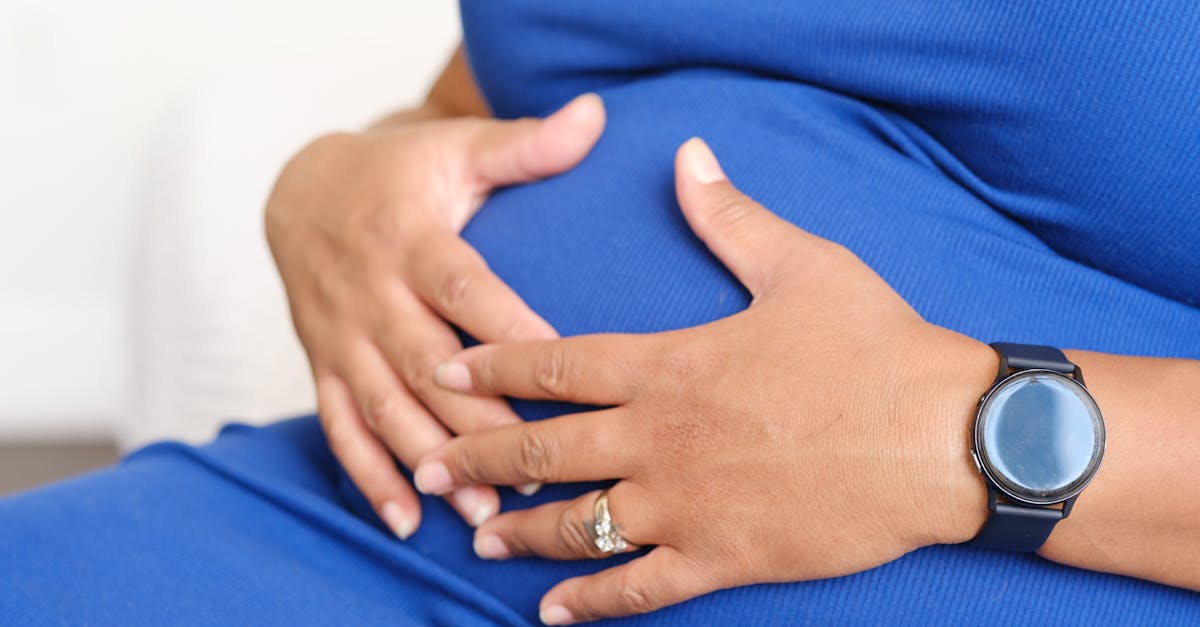
Your pre-pregnancy BMI (Body Mass Index) is one of the most important numbers to know before you become pregnant. It affects how much weight you should gain during your pregnancy, which in turn affects both your health and your baby's development. If you're planning a pregnancy or already expecting, understanding your BMI category and the healthy weight gain range for your situation is crucial for a healthy pregnancy.
What Is BMI and Why It Matters in Pregnancy
BMI is a simple measure of body weight relative to height: weight in kilograms divided by height in metres squared. It's not perfect—it doesn't account for muscle mass, bone density, or ethnicity—but it's the tool healthcare professionals use to estimate whether your starting weight puts you at higher risk during pregnancy.
BMI categories are:
- Underweight: BMI below 18.5
- Healthy weight: BMI 18.5–24.9
- Overweight: BMI 25–29.9
- Obese: BMI 30 or above
Why does this matter in pregnancy? Because pregnancy is metabolically demanding. Your body needs to gain weight—it's not optional, and it's not unhealthy. But how much you should gain depends on where you're starting. A healthy-weight woman gaining 11.5–16kg is different from an obese woman gaining that same amount, because the metabolic strain and risk profile are different.
Use our BMI calculator to find your starting category right now. Take your pre-pregnancy weight (or your current weight if you're not yet pregnant) and your height, and it will tell you exactly where you sit.
Your Pre-Pregnancy BMI Category and Weight Gain Ranges
The NHS guidance on pregnancy weight and BMI is clear: the recommended weight gain during pregnancy depends entirely on your pre-pregnancy BMI.
Here's what's recommended for the full pregnancy (all trimesters combined):
- Underweight (BMI < 18.5): Gain 12.5–18kg
- Healthy weight (BMI 18.5–24.9): Gain 11.5–16kg
- Overweight (BMI 25–29.9): Gain 7–11.5kg
- Obese (BMI ≥ 30): Gain 5–9kg
Why the difference? Women with a higher starting BMI have less metabolic room and higher risk of gestational diabetes and pre-eclampsia if they gain too much. Women who are underweight need to gain more to support healthy fetal development. It's not about appearance—it's about physiological safety.
Weight gain isn't evenly distributed across nine months. You'll gain very little in the first trimester (maybe 1–2kg), then more steadily in the second and third. Read our guide on pregnancy weight gain guidelines by trimester for month-by-month targets.
What's Actually In That Weight Gain?
A useful question: where does all that weight go? It's not all fat.
Here's the breakdown for a healthy-weight woman gaining around 13kg:
- Baby: ~3.5kg
- Placenta: ~0.6kg
- Amniotic fluid: ~0.8kg
- Increased blood volume: ~1.5kg
- Extra fluid in tissues: ~1.5kg
- Enlarged breasts: ~0.5kg
- Larger uterus: ~0.9kg
- Fat stores (for breastfeeding and postpartum): ~2–3kg
This is why you can't "diet" during pregnancy. Your body is building infrastructure—blood, fluid, the placenta—that your baby depends on. Restriction causes real harm.
Weight gain should be gradual and steady, not sudden. Rapid weight gain (more than 2–3kg per week after the first trimester) can signal fluid retention or other issues worth discussing with your midwife. Weekly weigh-ins are less useful than monthly check-ins. Your weight fluctuates day-to-day based on fluid, digestion, and hormones. What matters is the trend over weeks, not day-to-day noise.
Exercise, Nutrition, and Staying Well During Pregnancy
NHS pregnancy exercise guidance recommends 150 minutes of moderate-intensity activity per week, unless your midwife advises otherwise. Moderate means you can talk but not sing—you're not going hard, but you're moving. Swimming, walking, stationary cycling, and prenatal yoga are excellent choices. Pelvic floor exercises (Kegels) are important throughout pregnancy and postpartum.
For more detail on what's safe, read safe exercise during pregnancy: what you can and cannot do.
Your calorie needs don't increase much in the first trimester (maybe 100 extra calories a day), but they climb to 300–500 extra calories daily in the second and third trimesters. That's not "eating for two"—it's eating an extra yoghurt or two slices of toast.
NHS pregnancy nutrition guidance recommends:
- Folic acid: 400mcg daily from before conception through the first 12 weeks. This cuts the risk of neural tube defects like spina bifida significantly. Most prenatal vitamin tablets include this.
- Vitamin D: 10mcg (400 IU) daily throughout pregnancy and breastfeeding.
- Iron: If blood tests show you need it. Many women become anaemic in pregnancy because blood volume increases faster than iron stores.
For more on pregnancy nutrition and what to avoid, see pregnancy nutrition: essential vitamins and what to avoid.
Frequently Asked Questions
Q: Should I diet to keep my weight gain low?
A: No. Dieting or severe calorie restriction during pregnancy can harm fetal development and increase the risk of premature birth. If you're gaining more than recommended, talk to your midwife about what you're eating and your activity level—not about restricting calories. Sometimes it's a fluid issue; sometimes it's worth investigating underlying health (thyroid, gestational diabetes).
Q: I'm overweight. Does that mean my pregnancy is high-risk?
A: Being overweight increases certain risks (gestational diabetes, pre-eclampsia, caesarean section), but it doesn't make pregnancy "dangerous." Many overweight women have healthy pregnancies. Your BMI is one data point; your overall health, blood pressure, blood sugar, and how you feel matter much more. Your midwife will monitor you more closely, which is actually a good thing.
Q: I'm underweight. How do I gain weight healthily?
A: Eat calorie-dense, nutrient-dense foods: nuts, seeds, full-fat dairy, olive oil, avocados, whole grains, eggs, and fatty fish. Small frequent meals are often easier than three large ones, especially in later pregnancy when the baby squashes your stomach. If you're struggling, your GP can refer you to a dietitian.
Q: Can I lose weight postpartum while breastfeeding?
A: Some weight loss happens automatically in the first few weeks (baby, placenta, fluid). But aggressive dieting while breastfeeding can reduce milk supply. Most guidelines suggest waiting 3–6 months postpartum before intentionally restricting calories, and then only moderately (500 calories per day at most). Breastfeeding burns roughly 500 calories a day anyway, so patience is your friend here.
Q: What if I'm not gaining enough weight?
A: Speak to your midwife. Causes range from hyperemesis (severe morning sickness), food aversion, depression, or a fast metabolism. Sometimes it's nothing; sometimes it points to something worth investigating. Your midwife may refer you to a dietitian, and blood tests can rule out anaemia or thyroid issues.
Q: How much weight should I expect to lose after birth?
A: You'll lose roughly 5–6kg immediately (baby, placenta, amniotic fluid). Over the next few weeks, another 4–5kg comes off as fluid shifts normalise. The remaining weight (the fat stores you gained for pregnancy and breastfeeding) usually comes off over 6–12 months, especially if you're active and eating well. Track your pregnancy milestones week by week to see your progress postpartum.
Q: What if I have a history of eating disorders?
A: Pregnancy can be triggering because of the inevitable weight gain. Tell your midwife or GP at your first appointment. They can refer you to perinatal mental health services, and you might benefit from working with a specialist dietitian who understands eating disorders. You're not alone in this.
Q: Does my BMI change things if I'm pregnant with twins?
A: Yes. Recommended weight gain is higher for twin pregnancies: add roughly 2–3kg to the single-pregnancy guidelines. Your midwife will give you specific advice based on both your BMI and the fact you're carrying two.
Planning Your Pregnancy With Confidence
Understanding your pre-pregnancy BMI and the healthy weight gain range for your situation takes the guesswork out of one major aspect of pregnancy. It's one less thing to worry about.
Beyond weight, pregnancy involves lots of tracking—due dates, milestones, scans, appointments. Our pregnancy week-by-week guide to what to expect each trimester breaks down the nine months into manageable chunks. If pregnancy after 35 applies to you, read that too—age brings different considerations around screening and timing.
For mental health support (because pregnancy emotions are real), see mental health during pregnancy: recognising the signs.
Most importantly: your BMI at the start of pregnancy is just a number. You are not "too thin" or "too fat" to have a healthy pregnancy. The goal is to gain enough weight to support your baby's growth, stay nourished, stay active, and feel as well as you can. Work with your midwife, trust the process, and reach out if something feels off.