How Much Water Should You Drink Every Day?
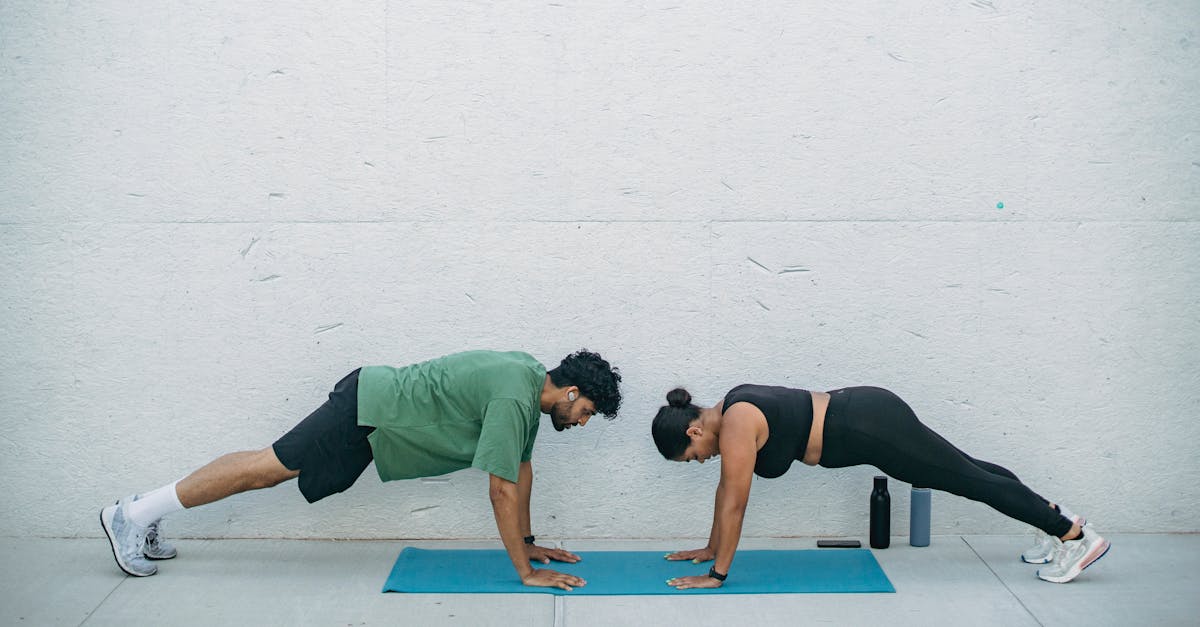
The answer to "how much water should you drink every day" isn't 8 glasses. That's a myth. Your body needs more or less depending on your weight, activity level, how hot it is, and what you eat. Most people can work it out with a simple formula—we'll show you how, and you can use our water intake calculator to get your personalised target in seconds.
The 8-Glass Rule Is Wrong
You've probably heard it: drink 8 glasses of water a day, that's about 2 litres, job done. It's catchy, memorable, and almost entirely baseless. The rule became popular in the 1940s, possibly from a single misquoted nutrition guideline, and nobody's bothered to retire it since.
The NHS doesn't recommend 8 glasses. They recommend 6 to 8 glasses of fluid a day—and that fluid includes tea, coffee, juice, soup, and the water in food. A bowl of porridge is roughly 80% water. A tomato is 95% water. So if you're eating a reasonable diet, you're already partway there without drinking a single glass.
Here's the dry truth: the 8-glass rule is simultaneously too high for some people and too low for others. For a sedentary 50kg person in a cool climate eating normally, 2 litres is probably excessive. For someone doing daily exercise, living in the Middle East, or pregnant, 2 litres is a bare minimum.
What Actually Determines Your Water Needs
Your daily water intake depends on four main factors:
Body weight. Heavier bodies contain more water and lose more fluid through sweat and urine. A 100kg person needs more fluid than a 60kg person—that's just basic physiology.
Activity level. Every hour of moderate exercise adds 500ml to 1 litre of fluid loss (it varies with intensity and your sweat rate). If you're doing strength training or high-intensity work, the math compounds: more intense activity means more sweat, which means more fluid you need to replace. Ultra-endurance athletes can lose 1–2 litres per hour in hot conditions.
Climate and season. You lose more water through perspiration in summer, at altitude, or in dry heating. Someone in Phoenix in July needs far more water than someone in Scotland in January. If you're staying active in hot weather, you'll need to add 500ml to 1 litre to your baseline.
Diet. Alcohol and caffeine are mild diuretics—they cause your body to lose a bit more fluid than the volume you drink. A diet high in salt increases water retention (temporarily) and fluid loss. Conversely, a high-protein diet triggers more water excretion because you need fluid to process the protein. If you're counting macros or tracking protein intake, remember that higher protein means slightly higher fluid needs.
There's also health conditions (kidney disease, thyroid problems, infections), medications (some blood pressure drugs, antidepressants), and pregnancy/breastfeeding (both increase baseline fluid needs significantly). If any of these apply, chat with your GP before changing your intake.
How to Calculate Your Personal Water Needs
A solid starting formula comes from the US National Academies of Sciences, Engineering, and Medicine. Here's the practical version:
Base intake: Aim for roughly 35ml per kg of body weight. That's your minimum in a sedentary state, temperate climate, normal diet.
- A 60kg person: 60 × 35 = 2,100ml (roughly 2.1 litres)
- An 80kg person: 80 × 35 = 2,800ml (roughly 2.8 litres)
- A 100kg person: 100 × 35 = 3,500ml (roughly 3.5 litres)
Add for activity. Each hour of moderate exercise (walking, strength training, recreational sport) adds 500ml. Intense exercise (running, HIIT, competitive sport) adds 1 litre per hour. You'll have a better sense of this if you weigh yourself before and after exercise—every kg lost is roughly 1 litre of fluid. When you drink water during exercise matters too: spread it throughout your workout rather than drinking it all at once.
Add for climate. If you live somewhere hot, spend summer outdoors, or train in the heat, add 500ml to 1 litre.
Adjust downward for high-fluid foods. If you eat a lot of fruit, veg, soup, or yoghurt, subtract 200–500ml.
For example: a 70kg person who does 1 hour of jogging in summer would calculate:
- Base: 70 × 35 = 2,450ml
- Activity: +1,000ml (1 hour intense)
- Heat: +500ml
- Total: roughly 4,000ml (4 litres)
That's still less than 1 gallon, and it accounts for the fact that this person will genuinely lose that much fluid. Our water intake calculator does this maths instantly—plug in your weight, activity, and climate, and it gives you a personalised target.
When You Need More Water
During and after exercise. This is where the rubber meets the road. Drinking water during exercise isn't optional—dehydration impairs performance, increases injury risk, and can be dangerous. For exercise lasting over 60 minutes, sports drinks with electrolytes (sodium, potassium) and carbs help you absorb water faster and maintain energy. You'll perform better and recover faster.
In hot weather. Staying active in hot weather requires more fluid. Thirst isn't a reliable indicator—by the time you're thirsty, you're already dehydrated. Drink regularly even if you don't feel thirsty. If you're walking 30 minutes daily, make sure you're drinking before, during, and after in warm months.
Pregnancy and breastfeeding. Pregnant people need roughly 3 litres daily; breastfeeding bumps it to 3.7 litres (because milk production is water-intensive). [STAT NEEDED: NHS pregnancy hydration guideline]
If you're unwell. Fever, vomiting, or diarrhoea accelerates fluid loss. You may need 50% more than usual. Rehydration drinks (like those used for gastroenteritis) are more effective than plain water because they contain electrolytes.
High-altitude training. The thin air causes more fluid loss through breathing. If you're training above 2,000m, plan on drinking 500–1,000ml extra daily.
Common Mistakes People Make
Drinking without thirst because you "should." It's rare but possible to overhydrate (hyponatraemia), where your blood sodium becomes too dilute. It happens to endurance athletes chugging plain water for hours. For normal people, your thirst mechanism works pretty well—trust it.
Treating water and other fluids the same. They're not. Tea and coffee are hydrating despite the caffeine. Beer is hydrating, though alcohol slows water reabsorption in your kidneys. Sugary drinks are hydrating but add unnecessary calories. Milk is hydrating and adds protein. They all count toward your daily fluid intake.
Not checking urine colour. Your wee tells you a lot. Pale yellow = well hydrated. Dark yellow = you need more fluid. Clear = you might be overhydrating. It's free, instant feedback and more reliable than any calculator.
Assuming static targets work year-round. Your winter water needs are different from summer. Your summer-activity water needs are different from rest days. The formula gives you a starting point, not a law carved in stone.
Frequently Asked Questions
Q: Is mineral water better than tap water? A: For hydration, no difference. Mineral water contains a few extra electrolytes (minerals), but not nearly enough to matter. Tap water is fine, safer than bottled in most of the UK, and doesn't generate plastic waste. If you like mineral water for the taste or the minerals, carry on—just don't think it's medicinal.
Q: Can you drink too much water? A: Very rarely. Hyponatraemia (dangerously low blood sodium) happens to endurance athletes drinking litres over hours, or people with certain kidney conditions. For healthy people doing normal activity, you'd have to work hard to overhydrate. Thirst stops you well before that point.
Q: Does water temperature matter? A: For hydration, no. Drinking cold water doesn't meaningfully boost your metabolism—a common myth. Cold water is absorbed slightly slower than room-temperature water, but for daily hydration it makes no practical difference. Drink whatever temperature you'll actually drink.
Q: Does water count if it's in food? A: Yes. The NHS includes fluid from all sources in their "6 to 8 glasses a day" guideline. Porridge, fruit, veg, soup, yoghurt—all of it counts. That's why the 2-litre rule feels achievable for most people without downing glasses of pure water.
Q: Should I be tracking my water intake? A: Only if you have a specific reason (exercise, pregnancy, a health condition). For most people, drinking when you're thirsty and checking your urine colour is enough. Obsessive tracking creates stress, which paradoxically triggers fluid retention and makes you feel worse.
Q: What about sports drinks or electrolyte drinks? A: For everyday hydration, water is fine. For exercise lasting over 60 minutes, a drink with 6–8% carbs and electrolytes helps you absorb water faster and maintain energy. For casual activity, it's unnecessary and adds calories.
Q: If I don't like plain water, what else works? A: Tea, coffee, milk, juice, soup—anything wet counts as fluid. Most people work better with a mix: mostly water, some tea or coffee if they like it, occasional juice, milk with meals. The goal is total fluid intake, not rigid water-only rules.
Q: How do I know if I'm dehydrated? A: Dark urine is the most obvious sign. Also watch for thirst, dry mouth, fatigue, dizziness, or headaches. If you're experiencing these during exercise, drink something with electrolytes and carbs—plain water alone won't rehydrate you as effectively. After exercise, drink 150% of the fluid you lost (measured by weight change) over the next 4 hours to fully rehydrate.