Desk Exercise: Staying Active With an Office Job
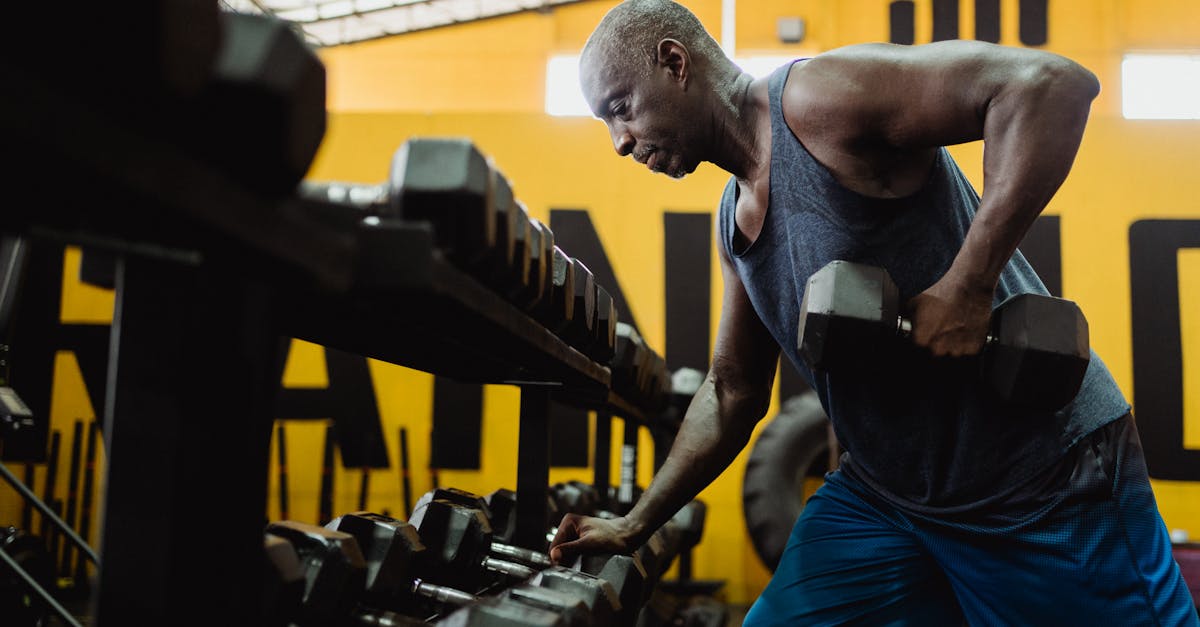
Sitting for eight hours a day damages your health, even if you exercise before or after work. The uncomfortable truth is that desk jobs create significant health risks independent of your formal fitness routine. But here's the good news: desk exercises and regular movement breaks can substantially reduce that risk. This guide covers what actually works for staying active with an office job, practical desk exercises you can do without leaving your desk, and how to build movement into your workday so it becomes automatic rather than another task to squeeze in.
Why Your Desk Job Is Slowly Damaging Your Health
Sitting continuously for 8+ hours raises your risk of cardiovascular disease, type 2 diabetes, and early mortality — even if you hit the gym for an hour after work. Researchers call this "active couch potato syndrome": you can exercise regularly and still incur significant health costs from prolonged sitting.
The mechanism is straightforward. Prolonged inactivity:
- Slows your metabolism. Sitting suppresses the enzyme lipoprotein lipase, which breaks down fats in your bloodstream. Your metabolism slows measurably within an hour of sitting still.
- Weakens your posture muscles. Your glutes, core, and back stabilisers atrophy from disuse. This contributes to lower back pain, which affects [STAT NEEDED: proportion of office workers with back pain].
- Impairs blood glucose control. Muscle contractions regulate blood sugar. Without movement, glucose tolerance declines and your cells become less responsive to insulin.
- Reduces calorie burn. NEAT (Non-Exercise Activity Thermogenesis) — the calories you burn outside formal exercise — accounts for a meaningful portion of total daily expenditure. Sitting minimises it dramatically.
The good news: breaking up sitting with short movement bouts reverses these effects within minutes. A 3-minute walk interrupts metabolic stalling and restores some of the damage from prolonged sitting.
How Much Movement You Actually Need
The NHS recommends 150 minutes of moderate-intensity activity per week for adults aged 19–64. That's about 30 minutes, five days a week, of activities like brisk walking or light cycling. But there's a newer principle that matters more for desk workers: consistent interruption of sitting time.
Research shows that breaking up sitting every 30–60 minutes with just 3–5 minutes of light activity (walking, stairs, desk exercises) provides substantial health benefits. The rhythm of movement interruption matters more than the duration of any single session.
Aim for:
- 150+ minutes of moderate activity weekly (the NHS baseline)
- A movement break every 30–60 minutes during sitting (stand, stretch, walk, or do desk exercises)
- 2+ sessions of strength training per week (even bodyweight exercises at your desk count)
If you're currently sedentary, this sounds like a lot. Start smaller: add one 5-minute walk at lunchtime and one movement break mid-morning. Build from there. Walking 30 minutes a day has measurable benefits for fitness and mental health, and that's achievable even on a busy work schedule.
Desk Exercises That Actually Work (No Equipment Needed)
These exercises take 2–3 minutes and require no special kit. Do a set every hour.
Desk push-ups (or wall push-ups): Place your hands on the edge of your desk or a nearby wall, lower your chest, then push back up. 10 reps. Engages chest, shoulders, and triceps.
Chair squats: Stand in front of your chair, lower as if about to sit (but stop before contact), then stand back up. 15 reps. Works glutes and quadriceps — your largest muscle groups.
Calf raises: Stand and rise onto your toes, hold for 1 second, then lower. 20 reps. Activates calves and gets blood flowing back up your legs after sitting.
Desk dips: Hands on your chair seat, legs extended or bent (easier), lower your body by bending elbows, then push back up. 10 reps. Works triceps and shoulders.
Standing mountain climbers: Stand facing your desk, hands on the edge, drive one knee toward your chest, alternating quickly. 20 total (10 per leg). Provides cardio and core engagement without leaving your desk.
Glute squeezes: Sit or stand and squeeze your glutes hard for 2 seconds, release. 15 reps. Activates your largest muscle group and reverses "glute amnesia" from sitting.
Neck and shoulder stretches: Tilt your head gently to each side, hold 15 seconds. Turn your head to look over each shoulder, hold 15 seconds. Counteracts "tech neck" from screen work.
Shoulder rolls and arm circles: Roll shoulders backward 10 times, then forward 10 times. Do 10 arm circles each direction. Loosens tight shoulders and improves mobility.
None require equipment, none require leaving your desk, and all take under 5 minutes total. The point is consistency — a quick movement break every hour beats zero movement all day. And if you're properly fueling your body, knowing your actual hydration needs during exercise matters for sustained energy throughout the workday.
The 2-Hour Movement Rule
Most office workers sit for 2+ hours without a break. That's long enough to trigger metabolic slowdown and posture degradation. A practical target: move for 3–5 minutes every 60–90 minutes.
This doesn't need to be formal exercise. Movement includes:
- Walk to a different floor to use the toilet
- Stand while on a call (works for video calls if you're upper-body visible)
- Take the stairs instead of the lift
- Walk to a colleague's desk instead of emailing
- Do desk exercises from the section above
- Step outside for 3 minutes of fresh air
If you work from home, it's even easier — you have no commute to sit through. Walk around your house between meetings. Do squats while your kettle boils. The structure is the same: 90 minutes of sitting, 5 minutes of movement, repeat. This simple pattern substantially reduces the long-term health costs of a sedentary job.
Standing Desks: Help or Hype?
Standing desks are popular in modern offices, but the evidence is mixed. Standing alone doesn't solve the sitting problem — you're just trading one static posture for another. Standing for 8 hours straight is just as harmful as sitting for 8 hours, because you're still not moving.
The real benefit comes from variety — switching between sitting and standing throughout the day. If you do invest in a standing desk:
- Aim for a 50/50 or 60/40 split (sitting/standing)
- Don't stand for more than 30 minutes at a stretch
- Use an anti-fatigue mat to reduce leg fatigue
- Continue to take movement breaks every 60–90 minutes — this is the real lever
A standing desk is a tool, not a solution. It only helps if it prompts you to move more. If you buy one and then stand stationary all day, you've wasted money. Recovery days and proper rest between activity sessions are important, but that doesn't mean standing still — it means varying your movement patterns.
Integrate Movement Into Your Workday: Practical Strategies
The best exercise is the one you actually do. Here's how to embed movement into work without derailing productivity.
Anchor movement to existing habits: Pair a movement break with something you already do. After every coffee, do 10 desk push-ups. After finishing a task, take a 2-minute walk. After every video call, do 20 calf raises. This "habit stacking" makes movement automatic.
Use a timer: Set a repeating alarm for 60–90 minutes. When it goes off, stand and move for 3–5 minutes. You won't remember consistently without a prompt, especially when focused on work.
Walk meetings: If you're on a phone call, walk around. If you're in a video meeting, stand or pace (upper body visible, legs invisible). This serves double duty: you move and you might think better during the conversation.
Lunch walks: Block 15 minutes of your lunch hour for a walk. No phone, no work. Just movement. This improves afternoon productivity, clarity, and mood. The best time to exercise for your schedule is the time you'll actually do it — and lunchtime is often easier to protect than early mornings.
Stairs: If your office is multi-floor, use stairs instead of lifts. One flight burns more calories than you'd expect.
Park further away: Intentionally park further from the office entrance. An extra 5-minute walk twice a day adds roughly 50 minutes of movement per week.
Stretch breaks: Between tasks, spend 2 minutes stretching your neck, shoulders, and hips. It reduces tension and resets focus.
One dry observation: office chairs were engineered specifically for sitting 8 hours straight. They're excellent at that job. They're not good at anything else. Moving away from your chair regularly is probably the single most underrated health intervention you can do at work.
Frequently Asked Questions
Q: Do I need to join a gym to stay fit with an office job? A: No. Desk exercises, walking, and bodyweight training work well without a gym. The barrier to fitness isn't usually equipment — it's consistency. If a gym membership would genuinely help you stay consistent, it's worth it. If you'd pay and rarely go, skip it.
Q: Can I make up for a sedentary day with one workout? A: Partially, but not fully. Research shows sitting for 8 hours followed by one hour of exercise doesn't completely offset the metabolic cost of inactivity. That said, the workout is still valuable for cardiovascular health and mood. The real win comes from breaking up sitting throughout the day.
Q: How long until I notice a difference from desk exercises? A: You'll feel better within days — more energy, clearer thinking, less stiffness. Measurable fitness changes take 3–4 weeks. Body composition changes take 8–12 weeks. The early wins in energy build motivation.
Q: What's the difference between "light activity" and "moderate activity"? A: Light activity: you can hold a conversation, heart rate slightly elevated. Examples: walking at normal pace, stretching, light housework. Moderate activity: you can talk but not sing, breathing harder. Examples: brisk walking (3–4 mph), light cycling, swimming. Vigorous activity: only a few words possible. Examples: running, intense cycling. Mix all three across your week.
Q: Do I need a standing desk to stay active at work? A: No. A standing desk helps only if it actually makes you move more. Most people just switch from sitting slouched to standing slouched. Breaking up sitting matters far more than the desk type. If you can't afford one, don't worry — movement breaks are the real driver.
Q: How do I stay active if I work from home? A: It's actually easier. Walk between meetings, do desk exercises between tasks, use lunch for a proper walk outside, and set a movement timer. Working from home removes commute time — use that to exercise or spread into more movement breaks.
Q: What if my office doesn't have space for movement? A: You don't need much space. Desk exercises, chair dips, and wall push-ups work in a cubicle. Walks to the toilet, stairs, and walking to colleagues' desks all count. If truly cramped, step outside for a quick walk — even 5 minutes helps.
Q: Do desk exercises build muscle? A: Light resistance work like desk push-ups and chair dips builds some muscle, especially if new to strength training. For serious muscle gain, you'd need heavier resistance and progressive overload. But the primary goal of desk exercises is maintaining metabolic health, improving circulation, and breaking up sitting. Understanding muscle-to-fat ratio for health shows even small amounts of muscle maintenance are valuable for metabolism and long-term health, especially as you age.