How Currency Exchange Rates Affect Your Holiday Budget
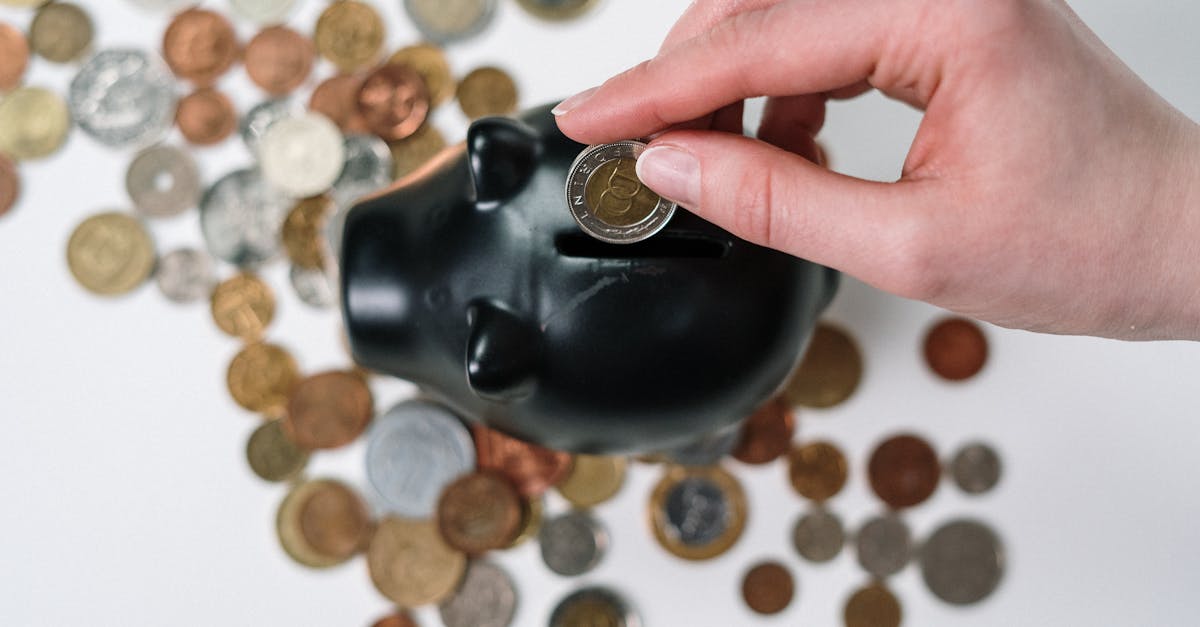
Currency exchange rates affect your holiday budget more than most travellers realise. A weak pound can add hundreds of pounds to your trip costs, while buying foreign currency at the wrong time or through the wrong provider can cost you an extra 5–10% without you realising. This guide shows you how exchange rates work, when to buy currency, and how to minimise the financial impact on your holiday spending.
How Exchange Rates Work and Why They Matter for Your Holiday
An exchange rate is simply the price of one currency in terms of another. If the pound-to-euro rate is 1.17, that means £1 buys you €1.17. Sounds simple. But the complexity is that this rate changes constantly — sometimes daily — and you'll face different rates depending on when and how you buy your currency.
Here's a concrete example: if you're planning a £2,000 holiday to Spain and the pound strengthens from 1.15 to 1.20 against the euro, you'll need £1,667 instead of £1,739 for the same €2,000 spending budget. That's a £72 difference for no effort beyond timing.
Conversely, if the pound weakens, that same holiday gets more expensive overnight. Currency movements aren't huge day-to-day, but they compound across your entire trip. Most holiday budgets involve flights, accommodation, food, and activities — often spread across multiple currencies. Small exchange rate fluctuations hit each one, adding up quickly.
The challenge is that you can't predict exchange rates reliably. But you can understand how they affect your budget and plan your currency purchases strategically. That's what separates travellers who get good value from those who leave money on the table.
When to Buy Foreign Currency: Timing Matters
Ideally, you'd buy currency when rates are strongest (most pounds per foreign unit). In reality, nobody can time the market perfectly. But you can do better than waiting until the week before your flight, when you're stressed and options are limited.
Here's a practical framework:
For flexible travellers: If your holiday dates aren't fixed, watch exchange rates for 4–6 weeks and book once rates look reasonable. Not "perfect" — just better than they were. The difference between the best and worst rates in a 6-week period is often 2–4%, which on a £2,000 currency purchase is £40–£80.
For fixed dates: If you're locked into specific travel dates, start buying currency 6–8 weeks in advance. Don't buy it all at once. Instead, split your purchase into 2–3 chunks. If you need £1,000 in euros, buy £333 now, another £333 in 3 weeks, and the final £334 in 6 weeks. You'll average out the fluctuations and sleep better than if you'd gambled on one perfect moment.
The week before matters less than you'd think: Many travellers assume they need currency now or they've missed the boat. Not true. A 1% swing in exchange rates (which is minor) looks like a lot when you're nervous, but it's rarely catastrophic. Focus on the 6-week window, not the final 3 days.
Where to Buy Currency: Not All Rates Are Equal
Even once you've settled on when to buy, the where matters hugely. A high street bank, online currency broker, and airport kiosk will offer different rates for the same currency on the same day.
High street banks: Convenient, trustworthy, but often the worst rates. Your bank might charge 2–3% above the mid-market rate. On a £1,000 purchase, that's £20–£30 extra you're paying purely for the teller's smile.
Online currency brokers: FairFX, Wise, OFX, and similar specialise in currency transfers. They typically charge 1–2% above mid-market and are transparent about fees. For large amounts (£2,000+), they often beat banks significantly. On that £2,000 holiday spend, a broker's lower markup could save you £20–£60 compared to your bank.
Airport kiosks: The worst. Rates are sometimes 5–8% worse than the market rate. If you're forced to use one (you forgot your currency), budget for the pain, but try not to make this your primary plan.
Balance strategy with risk: Getting the lowest possible rate isn't the point if it requires holding foreign currency in a non-UK bank account for weeks (currency risk if rates move against you) or tying up cash in advance you might need. Wise's mid-market rates are excellent, but if you'd rather hold sterling until closer to your trip, your own bank's 2% markup might be fine peace of mind.
Practical Strategy: Build a Holiday Budget You Can Actually Stick To
Start with your 50/30/20 budget rule baseline to understand what you normally spend. Then overlay your holiday on top of that.
Step 1: List all costs in sterling
- Flights: £500
- Accommodation: £900
- Local transport, tours, activities: £400
- Food and drink: £300
- Contingency (10%): £209
- Total: £2,309 GBP equivalent
Step 2: Identify what you'll pay in foreign currency Most holiday spend happens abroad. Flights often come out in sterling. Accommodation might be paid in advance from the UK. Everything else — food, taxis, museums, drinks — typically comes from local currency.
From the £2,309 above, let's say £500 (flights + pre-paid accommodation) stays in GBP. That leaves £1,809 to convert to euros (or whatever currency you need).
Step 3: Check the current exchange rate and calculate your cost If pound-to-euro is 1.17 today:
- £1,809 ÷ 1.17 = €2,105 (roughly)
Now, use your currency converter to see what that would cost at different rates:
- At 1.15: £1,830
- At 1.17: £1,809
- At 1.20: £1,754
That's a £76 range. Over 6–8 weeks, rates usually move within that ballpark. Watching for a 1.19+ rate, you save £55 compared to buying at 1.16.
Step 4: Automate and set calendar reminders If you set up automatic savings that actually work, you can fund your holiday incrementally. Open a separate savings pot (many UK banks offer sub-accounts), set a standing order for, say, £300/month, and you'll have your £2,300 in 8 months without it hurting your monthly budget.
Common Mistakes That Inflate Holiday Costs
Buying all your currency at once the day before travel You're stressed, time-poor, and shops know this. Rates are worst, and you've removed all flexibility. If you spot an excellent rate that morning, you can't take advantage because you're already committed.
Assuming your bank's "travel insurance" currency offers good value Some banks market travel insurance that includes currency exchange. The rates are rarely competitive. It's bundled value from your bank's perspective, not yours.
Not accounting for exchange rate volatility in your budget If you're splitting payments across pounds and foreign currency, a 2% move in the pound's strength is a 2% move in your budget. Build a small contingency — 5–10% above your base estimate — so a rate move doesn't derail your trip.
Leaving cash unprotected Once you've bought physical notes, they're gone if stolen. Smaller amounts in physical currency (spending cash for each day, taxis, tips) make sense. Larger amounts should stay on a cashflow forecasting spreadsheet or a travel money card so you can monitor it.
Treating holiday currency as an investment Some people buy euros when the pound weakens, thinking "the pound will recover and I'll make a profit." Wrong incentive. Currency is a cost of travel, not an investment vehicle. Buy it to fund your trip, not to speculate. If the pound strengthens after your purchase, you're better off (less money wasted on currency), not worse.
FAQ: Currency Exchange and Holiday Budgets
Q: Is it worth using a travel money card instead of withdrawing cash? A: Travel money cards (like FairFX or Travelex) lock in an exchange rate when you load them, so you know your cost upfront. Rates are often similar to online brokers (1–2% above mid-market), fees are transparent, and they're safer than carrying cash. They're worth it if you're uncomfortable buying foreign currency notes in advance, or if you want the psychological comfort of "funding your trip" and then spending without worrying about rates.
Q: What if I don't know my travel dates yet? A: Build your holiday fund in sterling now, using sinking funds to budget for irregular expenses. Once you've booked flights and nailed down dates, you'll have the money ready and 6–8 weeks to time your currency purchase. Waiting until the last moment and underfunded is the worst-case scenario.
Q: Should I hedge against a weak pound by buying currency now? A: Only if you're already planning to buy it for your trip. Don't speculate on currency moves. If travel is 3 months away and your budget is flexible, watching rates is sensible. If you're thinking "maybe the pound will weaken, so I'll buy euros now," you're gambling, not planning a holiday.
Q: What's a good exchange rate to target? A: That depends on the currency pair and current market conditions. For pound-to-euro, rates have ranged from 1.08 to 1.25 over the last decade. Your bank can show you historical rates to give you context. A rule of thumb: if the current rate is in the top 30% of the last 12 months, it's probably worth buying.
Q: Can I use my credit or debit card abroad instead of buying currency? A: Yes, but check your card's foreign exchange fee. Many charge 2.5–3% on top of the exchange rate. If you withdraw cash using an ATM abroad, your bank may charge a flat fee (£2–£5 per withdrawal) plus the exchange rate. For larger purchases, it's often cheaper to buy currency in advance. For occasional cash needs, an ATM might be fine.
Q: How much physical currency should I carry? A: Enough for 2–3 days of spending if cards fail, but not so much that losing it ruins your trip. Most travellers use a mix: £200–400 in physical notes for daily expenses, the rest on a travel card or accessed via ATM. That calculates cost per use for each transaction when you split your payment methods.
Q: Does the time of year matter for exchange rates? A: Slightly. Summer holidays often see more demand for foreign currency, which can push rates slightly worse in popular destinations (euros, dollars). Winter travel can see better rates, but differences are small. Don't change your holiday dates to chase exchange rates — the value of your actual trip matters more.
External Resources
For the latest exchange rates and historical context:
- Bank of England exchange rate data — official UK rates
- HM Revenue & Customs on travel tax relief — relevant if you're abroad for work
- ONS household spending data — context on UK holiday spending
The bottom line: exchange rates affect how much your holiday costs, but most of the impact is controllable. Watch rates for 6–8 weeks, split your currency purchase, buy from a broker rather than your bank, and build contingency into your budget. You'll save £50–200 compared to travellers who wing it, and your trip will feel less stressful because you've planned ahead.