How to Calculate Cost per Use for Major Purchases
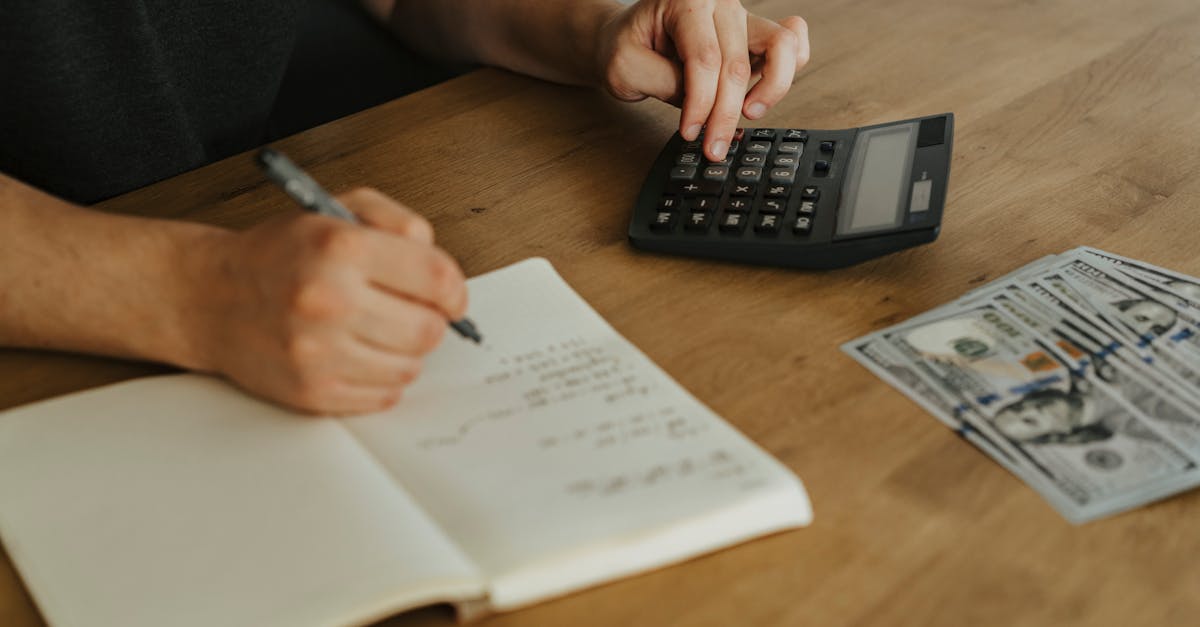
The formula for cost per use is simple: Total Cost ÷ Number of Times Used = Cost per Use. A £500 winter coat used 200 times over five years costs £2.50 per wear. A £1,200 sofa used daily for a decade costs £0.33 per day. When you think about major purchases this way, you shift from "can I afford this?" to "is this actually worth what I'll pay per use?" — and you make genuinely better spending decisions.
The problem is most people never do this calculation. They see the price tag, feel the pull ("I deserve this"), and buy. Then six months later the item sits unused, and they've effectively paid £50 per use without noticing. Cost per use thinking flips that around. It shows you exactly what you're paying for every moment of utility, which has a remarkable way of separating real needs from impulse buys.
How to Calculate Cost per Use in Three Steps
Let's walk through a concrete example: you're thinking about buying a new laptop.
Step 1: Establish the total cost. The laptop itself is £1,200. Add delivery (£10) and a three-year protection plan (£150). Total: £1,360.
Step 2: Estimate realistic future uses. How many times will you actually use it? Not your aspirational self — your realistic self. If you use the laptop 5 days a week for work, that's roughly 260 uses per year. Over a 3-year lifespan, that's 780 uses.
Step 3: Divide cost by uses. £1,360 ÷ 780 = £1.74 per use.
Is £1.74 per use reasonable for a work tool you depend on daily? For most people, yes. Now compare that to a £60 coffee-table book you've flipped through twice in a year. £60 ÷ 2 uses = £30 per use. Same framework, starkly different value proposition.
This works for anything: clothes, kitchen gadgets, gym memberships, cars, holidays. Once you see the true per-use cost, impulse purchases lose their magic remarkably quickly.
The Real Cost per Use: What Most Calculations Miss
The basic formula is helpful, but incomplete. Three hidden costs usually get ignored:
Opportunity cost. That £500 coat represents money you can't invest. If £500 invested at 7% annual return over 5 years grows to £700, then buying the coat costs you not just £500 — it costs you the £200 you'd have earned. Your cost per use rises from £2.50 to £3.50 per wear. Still reasonable for a winter essential, but it reframes the decision.
Maintenance and storage. A sofa needs dry cleaning, repairs, and floor space (which has an implicit cost). A car needs insurance, tax, servicing, petrol. A boat needs mooring fees and maintenance. Most people forget these when calculating cost per use, which means they're systematically underestimating what they're actually paying. A £5,000 car that costs £2,000 per year to run costs £15,000 over 5 years (not £5,000). That's £57 per weekly use, not the £19 the purchase price alone would suggest.
Replacement cycles. Electronics degrade. Clothes wear out. If you replace something every 3 years instead of 5, you double the cost per use. A £300 smartphone used daily for 3 years (1,095 uses) costs £0.27 per use. The same phone kept for 2 years (730 uses) costs £0.41 per use — a 50% increase. Faster replacement cycles are a stealth cost.
This is why understanding the real cost of major purchases is so crucial. The headline price tells only part of the story.
Real-World Examples: Seeing Cost per Use in Practice
Let's ground this in four concrete scenarios:
Winter coat: £500, worn 100 times over 5 years
- Basic cost per use: £500 ÷ 100 = £5.00
- Add dry cleaning (£400 over 5 years): (£500 + £400) ÷ 100 = £9.00
- Add opportunity cost (7% foregone return): +£1.50
- Real cost per use: ~£10.50
Sofa: £1,500, used daily for 8 years
- Basic: £1,500 ÷ (365 × 8) = £1,500 ÷ 2,920 = £0.51 per day
- Add repairs and wear: +£0.20
- Real cost per use: ~£0.71 per day
This is one of the best purchases you can make. Daily use drives the cost per use down dramatically.
Premium gym membership: £80/month, attended 40 times/year
- Annual cost: £960
- Annual uses: 40
- Cost per use: £960 ÷ 40 = £24.00 per visit
That's expensive per visit. You're paying more than you'd spend on a personal trainer or home equipment. This is why Money Helper recommends analysing your actual gym attendance before committing to an annual membership — the data tells a story your aspirations won't.
£3,000 camera: used for 50 photos in a year
- Cost per use: £3,000 ÷ 50 = £60.00 per photo
- This is why photographers recommend "rent before you buy" — an expensive hobby purchase that becomes decorative storage is a cautionary tale in cost per use.
When Cost per Use Outperforms Other Frameworks
You might have heard of the 50/30/20 budget rule or return on investment. Cost per use is different — it's not about percentages of income, it's about actual utility extracted from money already spent.
The 50/30/20 rule says allocate 50% after-tax income to needs, 30% to wants, 20% to savings. Useful for overall structure. But within the "wants" category, cost per use answers the harder question: which wants are worth the money?
A £2,000 designer handbag used daily for 10 years costs £0.55 per day. Worth it if you love it. The same handbag worn twice a year costs £1.92 per day — probably not. Which? can help you evaluate whether premium products are worth the premium price by comparing real-world usage patterns.
Cost per use also shields you from sunk-cost thinking. The £2,000 is spent (or will be). Cost per use doesn't care about that — it only cares about future use. If the handbag sits in a cupboard, the sunk cost is already gone. This metric tells you: stop thinking about what you paid, start thinking about whether you'll actually use it going forward.
Common Mistakes That Wreck Your Calculation
Overestimating future use. You'll read 50 books a year (you'll read 5). You'll go to the gym 4 times a week (you'll go twice). Solve this by looking backwards: what's your actual history with similar items? Use that as your baseline, not your aspirational self.
Ignoring storage and maintenance. A horse is the classic example — people forget feed, farrier costs, insurance, stabling. Tools, sports equipment, hobbies: ask someone who owns one what the real annual cost is.
Forgetting tax and delivery. A £999 item actually costs £1,199 with VAT and delivery. That changes the math meaningfully.
Using the wrong timeframe. A coat worn for 1 year is very expensive per use. Worn for 5 years, it's reasonable. Be realistic about how long you'll actually keep the thing. Resale value matters too — a car that depreciates from £15,000 to £5,000 over 5 years costs £10,000, not £15,000.
FAQ: Your Cost per Use Questions Answered
Q: Does cost per use apply to daily-use items like my mattress?
A: Absolutely. A £2,000 mattress used 365 nights per year for 10 years is £2,000 ÷ 3,650 = £0.55 per night. That's phenomenal value for something that affects your sleep, health, and mood every single day. It's one of the few purchases where people underspend because they fixate on the headline price instead of cost per use.
Q: What if I buy something and never use it?
A: Mathematically, infinite cost per use. A purchase with zero uses is cost-per-use infinity — which is exactly why this metric is so useful for spotting financial mistakes. If you realise you won't use something you've already bought, sell it or donate it. The sunk cost is gone. Don't compound the mistake by letting it gather dust for years.
Q: I might use something for different lengths of time. How do I account for that?
A: Run multiple scenarios. A ski jacket might last 5 years (weekly use) or 15 years (once-a-year use). Calculate both. If the 5-year scenario (£10/use) feels pricey but the 15-year scenario (£3.33/use) feels fair, you've found your break-even point. Use that to decide whether to buy a budget jacket or a premium one.
Q: How does cost per use compare to renting vs. buying?
A: It's exactly the right framework for that decision. Rent a ski kit for £30/day vs. buy skis for £600. If you ski 5 times per year, renting costs £150/year. Buying (over 5 years) costs £120/year. Buying wins slightly — but don't forget storage, maintenance, and the hassle. For items you use rarely, renting often beats buying on cost per use alone.
Q: Should I use cost per use for groceries?
A: Not in this form. Groceries are consumed, not repeatedly used. You're looking at cost per meal or cost per calorie — different framework. Cost per use works for durable goods: things used multiple times over months or years.
Q: Is there a "good" cost per use target?
A: No universal target. A £0.50 cost per use on a work laptop feels cheap because you use it 40+ hours per week and it's essential. A £2 cost per use on a decorative item feels expensive because it's discretionary. The benchmark is personal: does this cost per use justify the value it brings to your life?
The Bigger Picture: Building Financial Intuition
Cost per use is a decision tool, not a budget tool. It won't tell you how much to spend overall — that's where cashflow forecasting comes in. But it will help you make smarter choices within whatever budget you have.
When you're choosing between three winter coats at different prices, cost per use cuts through marketing noise. When you're tempted by a "limited-time offer," cost per use is the voice of reason.
And here's the bigger effect: once you've calculated cost per use a few times, the mental math becomes automatic. You'll start seeing products and instinctively thinking "that's 50p per use" or "that's £5 per use" — and you'll naturally spend less, buy better, and waste less money. That difference compounds over decades. Someone who saves an extra £100 per month through smarter spending has £15,500 more in their account after 10 years, thanks to compound interest and the growth of better decisions.
That's the real power of cost per use — not just making individual purchases better, but raising your standard for what "worth it" means. And that changes everything.