How Caffeine Affects Exercise Performance
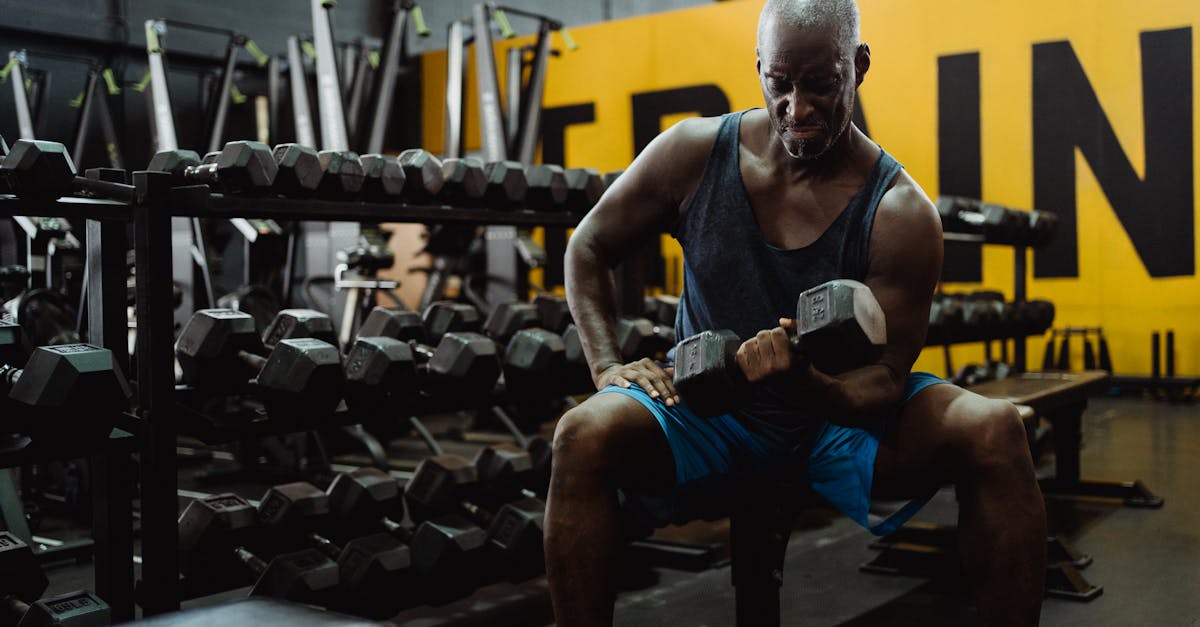
Caffeine is one of the few supplements with genuinely strong evidence behind it — it improves endurance performance by 2–3%, speeds up strength work, and reduces the perception of effort during exercise. The trick is timing and dosage. Take too little and you get nothing. Take too much and you get the jitters instead of a performance boost. Here's how to use caffeine effectively.
How Caffeine Actually Works During Exercise
Caffeine doesn't give you energy — your muscles already have that from glucose and fat. What it does is block adenosine receptors in your brain. Adenosine is a chemical that builds up during the day and signals fatigue. Caffeine pushes that signal aside for 3–5 hours, so you feel fresher and more alert than you actually are.
Mechanically, it also:
- Increases fat mobilisation — your body burns stored fat earlier in exercise, sparing muscle glycogen for later when you need it most
- Boosts central nervous system drive — your muscles contract harder and faster for the same perceived effort
- Reduces pain perception — the burn you feel in your muscles during hard effort feels less intense
The net result: you can work harder, for longer, and it feels easier. For endurance athletes (runners, cyclists, rowers), this translates to measurable performance gains. For strength athletes, it means more reps or heavier loads per set.
The catch? Caffeine works best if you don't use it every day. Daily coffee drinkers build tolerance and get no performance boost from a pre-workout dose. If you want the benefit, save it for workouts that matter.
Optimal Timing and Dosage
The dose that works is 3–6 mg per kg of body weight, taken 30–60 minutes before exercise.
For context:
- A 70kg person needs 210–420mg of caffeine for a meaningful boost
- A single espresso shot has roughly 75mg
- A cup of brewed coffee has 95–200mg depending on strength
- A standard caffeine tablet or gel has 100–200mg
- A strong energy drink has 80–300mg
So a 70kg person taking a pre-workout boost might use:
- 4–5 cups of brewed coffee (impractical, plus fluid bloating)
- 2–4 espresso shots (more practical)
- 2–3 standard caffeine tablets
- A strong energy drink plus a cup of coffee
Most people find capsules or tablets easier than coffee, because you control the dose precisely and avoid the fluid intake. Coffee or tea works fine if you're sensitive to caffeine or prefer the ritual.
Take it 30–60 minutes before your workout starts — that's when peak blood concentration aligns with your main effort. If you're doing a long endurance event (90+ minutes), some athletes also take a second dose at the 60-minute mark.
Who Gets the Most Benefit
Caffeine helps almost everyone, but the effect size varies:
Endurance athletes benefit most — cyclists, distance runners, rowers, and team-sport players all show consistent 2–3% performance gains. For a runner doing a 10km in 50 minutes, that's a 1-minute improvement. That matters in races.
Strength athletes get a moderate boost — one extra rep per set, slightly faster bar speed, better focus. Less dramatic than endurance, but measurable.
Tactical sports (tennis, football, basketball) see improvements in decision-making and reaction time, plus reduced fatigue toward the end of matches.
Sprinters and power athletes — minimal benefit. Your power output is determined by how hard you can contract your muscles right now, and caffeine doesn't change that.
Time of Day Matters for Sleep
Caffeine has a half-life of 3–5 hours. That means if you drink 200mg at 2 PM, you still have 100mg in your system at 5 PM, and 50mg at 8 PM. Evening workouts can absolutely wreck your sleep, even if the caffeine felt like it "wore off."
If you exercise late in the day, either use decaf pre-workout or accept that you'll have trouble sleeping. This is one reason morning workouts have an advantage — you get the performance boost without disrupting your sleep that night.
Sleep is genuinely important for muscle recovery, so don't sacrifice it for a slightly better afternoon session.
Potential Downsides and Individual Variation
Caffeine is safe for most people at these doses, but watch for:
- Jitteriness and anxiety — some people are responders, others are non-responders. There's a genetic component. If 200mg makes you anxious, you might be a slow caffeine metaboliser. Try 100mg instead, or skip it entirely.
- GI issues — caffeine increases stomach acid and gut motility. On an empty stomach or with certain foods, this can cause cramping or urgency mid-workout. Take it with a small snack.
- Dependency and tolerance — daily use kills the performance benefit. If you drink coffee every morning, a pre-workout dose won't help. Save it for key workouts.
- Blood pressure — people with hypertension may want to avoid high doses.
If you're new to caffeine or training intensely, start with 3 mg/kg (the low end of the range). See how you feel. You can increase to 6 mg/kg if needed, but more isn't always better — the dose-response curve levels off, and side effects get worse.
Practical Timing for Different Workouts
Morning workouts (no previous caffeine): Take your dose 30–45 minutes before. A cup of coffee or a caffeine tablet works fine.
Afternoon workouts (after breakfast coffee): You probably already have 50–100mg in your system. Add 100–150mg if you want a boost, or skip it and let your morning coffee do the work.
Evening workouts: Seriously consider decaf or going without, unless you don't care about sleep quality.
Long endurance events (90+ minutes): Take 3–6 mg/kg at the start, then consider a second dose (1–3 mg/kg) around the 60-minute mark.
Pair caffeine with proper hydration during exercise — dehydration amplifies caffeine's jittery side effects and reduces the performance benefit.
Does Caffeine Work Better If You're Fit?
Not really. Beginners see the same relative boost as elite athletes (2–3% improvement). The absolute gain is bigger for someone doing a 20-minute 5K (30 seconds faster) than someone doing a 15-minute 5K (22 seconds faster), but the percentage is the same.
That said, your baseline fitness, muscle mass, and body composition all determine how hard you can push in the first place. Caffeine amplifies effort, but it doesn't replace training. If you're not fit enough to do the work, caffeine won't change that.
When to Use Pre-Workout Supplements Instead of Coffee
Most athletes get by fine with coffee or tea. Pre-workout supplements (powders you mix with water) make sense if:
- You want precise dosing without the fluid bloating of 3–4 cups of coffee
- You want other ingredients (beta-alanine, citrulline malate) in the same dose
- You have caffeine sensitivity and prefer to control every milligram
- You're training early and don't want to mess with hot drinks
If you just want caffeine, coffee or a tablet is simpler and cheaper. If you want the full pre-workout experience (caffeine, nitric oxide boosters, muscle endurance helpers), a powder can be efficient.
Frequently Asked Questions
Can I use caffeine every day? Yes, but you'll build tolerance and stop getting a performance boost from it. If performance in training matters to you, reserve high-dose caffeine for key workouts (races, heavy lifting days, intense sessions). For general daily alertness, small amounts are fine.
How much is too much? More than 6 mg/kg per dose rarely improves performance further, and side effects (jitteriness, anxiety, heart palpitations) get worse. The upper safe limit is considered around 400mg per day for most adults, but individual tolerance varies widely. If you feel anxious or your heart races, you've taken too much.
Does caffeine work on an empty stomach? Yes, but you might feel nauseous or get stomach cramps. Take it with a small snack — a banana, a piece of toast, or a handful of sweets. This also reduces the GI side effects.
Will caffeine make me dehydrated? Caffeine is a mild diuretic, but at the doses used for exercise performance, the effect is small. Stay properly hydrated during your workout and you'll be fine. The bigger risk is dehydration from exercise itself, not from caffeine.
Can I build muscle faster with caffeine? No. Caffeine helps you train harder (more reps, more intensity), and harder training builds more muscle, but caffeine itself doesn't change protein synthesis or recovery. The real work is the training plus adequate protein and sleep.
Is caffeine better than energy drinks? Depends. Energy drinks contain caffeine plus sugar (or sweeteners), plus sometimes other stimulants (taurine, guarana). If you only want caffeine, a tablet or coffee is purer and cheaper. If you want quick carbs during a long workout, an energy drink serves double duty. Check the label for total caffeine — many drinks have 150–300mg, which can be too much if you're also drinking coffee.
What if I'm on medication? Caffeine can interact with some medications (some antidepressants, blood pressure drugs, antibiotics). Check with your GP or pharmacist before using high-dose caffeine regularly if you take any medications.
Does caffeine work the same for women as men? Research shows similar absolute and relative benefits, but hormonal cycle timing may play a small role. Some women report better responsiveness in the follicular phase (first half of the cycle), but individual variation is large. Experiment and see what works for you.
Is it safe to use caffeine in the heat? Caffeine slightly increases heart rate and body temperature. In very hot conditions or during intense exercise in heat, this could theoretically increase heat illness risk. Play it conservative — test it in cool conditions first, stay extremely well hydrated, and avoid high doses in hot weather until you know how you respond.
How do I get caffeine to work again if I'm tolerant? Stop using it for 5–7 days. Your body clears adenosine receptors, and tolerance resets. Then use it strategically only on high-priority workouts. Cycling caffeine on and off is more effective than daily use.
The bottom line: caffeine is a legitimate, evidence-backed performance tool. 3–6 mg per kg of body weight, taken 30–60 minutes before exercise, improves both endurance and strength performance by a meaningful margin. It costs almost nothing, has minimal side effects at sensible doses, and works for nearly everyone. The key is timing and not using it daily — save it for workouts that matter. Track your workouts and recovery to see the difference it makes over weeks and months.