How to Build an Emergency Fund From Scratch
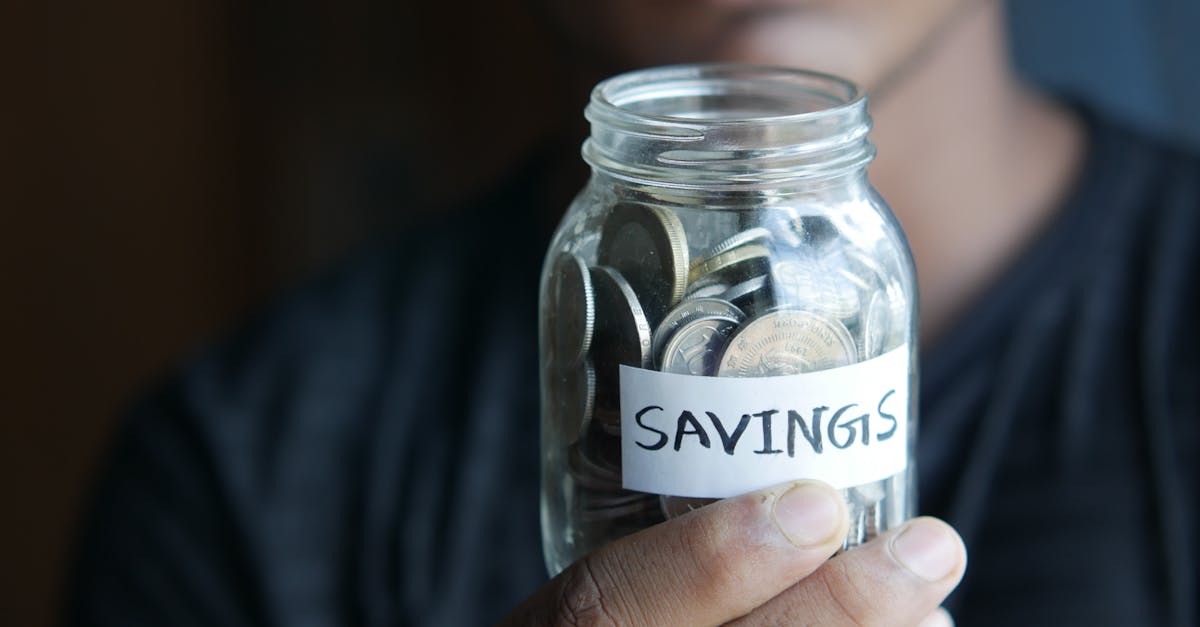
An emergency fund is money set aside specifically for unexpected expenses — car repairs, medical costs, job loss, urgent home repairs. Building an emergency fund from scratch doesn't require a complicated strategy: it's about deciding how much you need, then moving that amount to a safe, accessible place. Most people should aim for 3–6 months of essential expenses. If that sounds huge right now, don't worry — you start small and build over time.
Why You Need an Emergency Fund (Even If You Think You Don't)
Emergencies don't wait for you to be ready. The Financial Conduct Authority's data shows that household debt crises are often triggered by a single unexpected cost — a boiler breaking, car needing a new clutch, or a medical bill. Without a buffer, that emergency becomes a debt event. You reach for a credit card at 22% APR, and suddenly you're paying interest on something that was already stressful.
Here's the math: A £3,000 emergency covered by credit card at 22% APR costs [STAT NEEDED: typical repayment term and total interest]. Compare that to having £3,000 in a savings account earning 4% interest — you'd earn £120/year on that money while it sits there, ready for an actual emergency.
That's why the emergency fund sits at the foundation. It's not exciting, and it doesn't compound dramatically, but it prevents the worst financial cascades. Check that any account you choose is covered by the FSCS £85,000 protection scheme so your savings are safe if the bank fails.
How Much Should You Save?
The standard advice is 3–6 months of essential expenses. If you spend £1,500/month on rent, utilities, food, and transport — your must-haves — then 3 months is £4,500, and 6 months is £9,000.
If £9,000 feels impossible, start with 1 month (£1,500). Then 2 months (£3,000). Then whatever feels like a true safety net. There's no single right number. A single person with a stable job might be comfortable with 3 months. Someone self-employed, with dependents, or in a volatile industry might want 6–9 months.
Check our guide on good emergency fund sizes by age for age-specific targets.
Build Your Emergency Fund: The Step-by-Step Plan
1. Know your actual numbers
Spend a month tracking every expense. Most people are shocked by what leaves their account — subscriptions they forgot they had, takeaways, impulse purchases. Once you know your true monthly essentials, you have a target.
2. Open a dedicated savings account
Don't keep emergency money in your current account. Open a separate savings account — ideally one with competitive interest rates but prioritises access over yield. You want to move money in and out within a day if needed. ISAs work fine for emergency funds (the £20,000 ISA allowance is plenty), though if you have other savings, an ISA is better for anything beyond the emergency fund.
3. Automate the transfer
Set up a standing order on payday. Move money before you see it in your main account — a common first step is 5–10% of take-home pay. Most people don't miss money that never lands in their spending account.
4. Start small, then accelerate
You don't build a 6-month fund overnight. That's the point of starting. Month 1, you might move £200. Month 3, you move £300 because you've made other cuts or received a bonus. By month 12, you might have £2,500–3,000 set aside. That's real progress for someone building from zero.
5. Resist "just this once"
Your emergency fund is not a loan to yourself for a holiday. "Just borrowing £500 for a weekend" becomes a pattern. Protect it like it's your insurance policy — because that's what it is.
Where to Keep Your Emergency Fund
You want three things:
- Safety: Money you can't accidentally spend and that's protected if the bank fails (FSCS £85,000 limit).
- Access: You can move money to your main account within 1 working day.
- Yield: You earn some interest while you wait.
Easy-access savings accounts tick all three boxes. Fixed-rate bonds do not (you can't access the money early without penalties). Premium bonds are safe but pay no guaranteed interest.
Your emergency fund shouldn't be in investments or stocks. If a market downturn forces you to sell at a loss just as you need the money, that defeats the purpose. Keep it boring and accessible.
Common Mistakes That Derail Emergency Funds
- Waiting for the "perfect" amount before you start: Starting today with £50/month beats starting next year with £200/month, thanks to compound interest — even at modest rates in a savings account, that early money has time to grow.
- Confusing emergency funds with investments: If you're building long-term wealth, look at compound interest in stocks ISAs or pensions. The emergency fund is for stability, not growth.
- Raiding it for "almost emergencies": A new TV is not an emergency. A burst pipe is. Be strict about the definition.
- Keeping it where you spend: If your emergency cash sits in your main current account, you'll spend it. Open a separate account — ideally at a different bank.
- Ignoring inflation: Money in a 1% savings account while inflation runs at 3% loses purchasing power. Check rates at Bank of England inflation data and move to a higher-yield account if yours isn't competitive.
Pairing the Emergency Fund With Other Goals
An emergency fund is the foundation, but it's not the only thing you need. Once you have 1–3 months set aside, you can start:
- Paying down high-interest debt (credit cards, overdrafts above 15% APR) — the "return" on paying off 22% debt is guaranteed 22%.
- Building other savings goals — see our guide to financial goals and use our savings goals calculator.
- Creating a monthly budget — if you haven't already, building a budget you'll actually follow shows where money is going and where you can redirect it.
- Sinking funds for irregular expenses — sinking funds let you spread the cost of annual bills (car insurance, boiler service) across 12 months so they're less painful.
Frequently Asked Questions
Q: How much is "too much" for an emergency fund?
A: Beyond 9–12 months of expenses, the money would likely earn better returns in a stocks ISA or pension. Emergency funds are for stability, not wealth-building. If you have £15,000 in a savings account earning 4%, it makes sense to keep £6,000 emergency-ready and invest the rest.
Q: Can I use a credit card instead of an emergency fund?
A: Only if you're certain you can pay it off in full immediately. If you'd carry a balance, credit card interest (15–25% APR) makes the emergency worse, not better. A savings account earning 4% is infinitely better than a credit card at 22%.
Q: Should my emergency fund be in an ISA?
A: ISAs work fine for emergency funds, especially if your balance is under £20,000. However, emergency funds usually sit in easy-access accounts because you might need the money quickly — ISAs sometimes have access delays or restrictions. If you're saving beyond the emergency threshold, use the ISA for growth savings instead.
Q: What if I have debt? Do I save first or pay debt first?
A: If your debt is under 10% APR (like a mortgage or car loan), build your emergency fund first — it protects you from taking on more expensive debt. If your debt is above 15% APR (credit card, overdraft), build a small emergency fund (£1,000–2,000) and then attack the high-interest debt. Paying off 22% debt is a guaranteed 22% return.
Q: How long does it take to build an emergency fund?
A: It depends on your income and expenses. Someone earning £30,000 and saving £200/month would reach a 3-month fund (£4,500) in about 2 years. Someone saving £500/month would get there in 9 months. Start now, not when it's convenient.
Q: My emergency fund isn't growing because I keep using it. What do I do?
A: That's a sign you need a bigger fund or lower expenses. If emergencies are happening monthly, you don't have an emergency fund — you have an undersized buffer. Either increase how much you set aside each month or review whether you can reduce essential expenses. Unusual emergencies (car breaking down, boiler failing) should be rare. If they're happening constantly, dig into why.
Q: Is a Premium Bond account safe for emergency savings?
A: Yes, it's safe and covered by FSCS. However, Premium Bonds pay no guaranteed interest (you're betting to win), so they're not ideal for emergency funds where you need guaranteed access to a known amount. Save in an easy-access account instead if you want no risk.